1975 · Album
Man-Child
Recorded 1971 · Atlantic Records · Produced by Herbie Hancock

Electric Funk Meets Acoustic Soul
Man-Child captures Hancock at a crossroads, blending funk grooves with introspective jazz sensibility.
Man-Child arrives at a pivotal moment in Herbie Hancock's career. By this point, he'd already established himself as a brilliant pianist and composer with Blue Note, but this album finds him restless, willing to chase new sounds. Released on Atlantic, it's funkier and more rhythmically aggressive than his earlier work, yet it never abandons the harmonic sophistication that defines him. Tracks like "Maiden Voyage" showcase his ability to craft beautiful, floating melodies, while cuts like "Gentle Gyrations" and "Watermelon Man" push into groovier territory with real swagger. You hear Hancock experimenting with wah-wah piano effects and electric keyboards alongside acoustic instruments, creating textures that feel contemporary without sounding dated.
The band here is tight and inventive. Hancock brings in strong supporting players who understand both the jazz foundation and the funk impulse driving these compositions. The rhythm section locks in with real pocket, and soloists trade ideas with genuine chemistry. What makes this record special is that it doesn't feel confused about its identity—it's not jazz musicians trying to play funk or funk players adopting jazz language. These are sophisticated musicians interested in where soul, funk, and jazz naturally intersect.
Man-Child works best if you're already familiar with Hancock's earlier acoustic work. It's not the place to start—go to Maiden Voyage (1969) for that—but it's essential for understanding his evolution. This album matters because it shows Hancock refusing to be boxed in, willing to chase grooves and experimentation during an era when jazz was fragmenting in all directions. It's a legitimate turning point in his catalog.
Who's playing
Henry Davisbass
Paul Jacksonbass
Louis Johnsonbass
Bennie Maupinbass clarinet
Herbie Hancockelectric piano
DeWayne “Blackbyrd” McKnightguitar
David T. Walkerguitar
Melvin “Wah Wah” Watsonguitar
Wayne Shortersoprano saxophone
Bud Brisboistrumpet
Jay Daversatrumpet
Garnett Browntrombone
Jim Hornflute
Ernie Wattsflute
Mike Clarkdrums
James Gadsondrums
Harvey Masondrums
Bill Summerspercussion
Dick Hydetuba
Stevie Wonderharmonica
Where next?
More by Herbie Hancock
All 26 albums →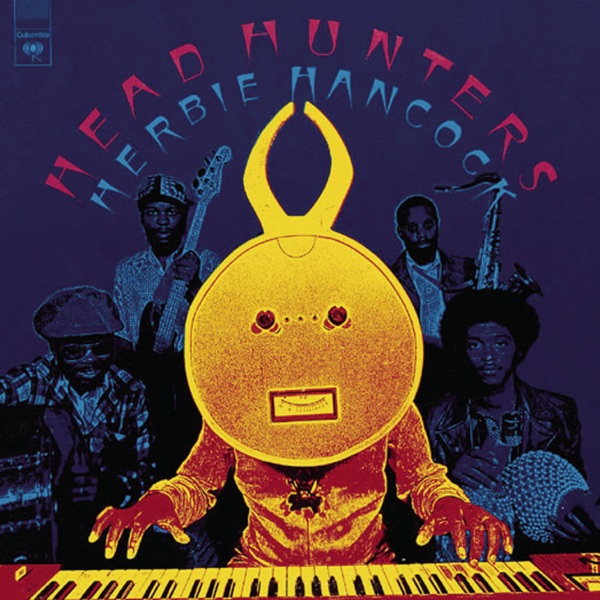


The musicians on this record

Native Dancer 1975
Wayne Shorter
plays soprano saxophone here
plays soprano saxophone here
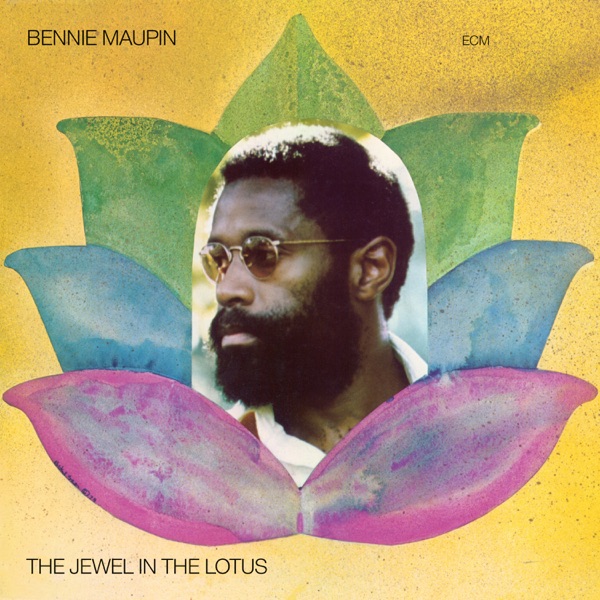
The Jewel in the Lotus 1974
Bennie Maupin
plays bass clarinet here
plays bass clarinet here


