
Keith Jarrett's Piano: The Heart of the Sound
Jarrett's restless piano playing anchors everything here, refusing to let the album settle into any single groove.
What makes this album distinctive is Keith Jarrett's refusal to play it safe. He's not here to comping or supporting—he's a co-leader with equal weight, and his piano drives nearly every moment. Recorded in 1970, this session captures Jarrett at a point where he was already moving beyond post-bop into something more open and experimental. His touch ranges from crisp, articulate voicings to loose, almost impressionistic runs, and he's just as likely to lock into a groove as he is to fracture one. AllMusic reviewer Scott Yanow heard it clearly: "Elements of pop music, rock, country and the jazz avant-garde are used in the mixture of styles and the results are quite logical." That logic comes largely from Jarrett's ability to navigate between these worlds without sounding scattered. Steve Swallow on bass and Bill Goodwin on drums give him a rhythm section that's equally willing to shift direction, while Sam Brown's guitar and Gary Burton's vibraphone add texture without demanding the spotlight. This isn't a Burton showcase first—it's a genuine ensemble where Jarrett's restlessness is the engine. The album sits somewhere between fusion and straight-ahead jazz, favoring neither fully, which made it accessible without being easy. It's a solid entry point if you want to hear Jarrett as something other than the solo pianist or the ECM aesthete he'd later become.
Who's playing
Where next?
More by Gary Burton
All 42 albums →
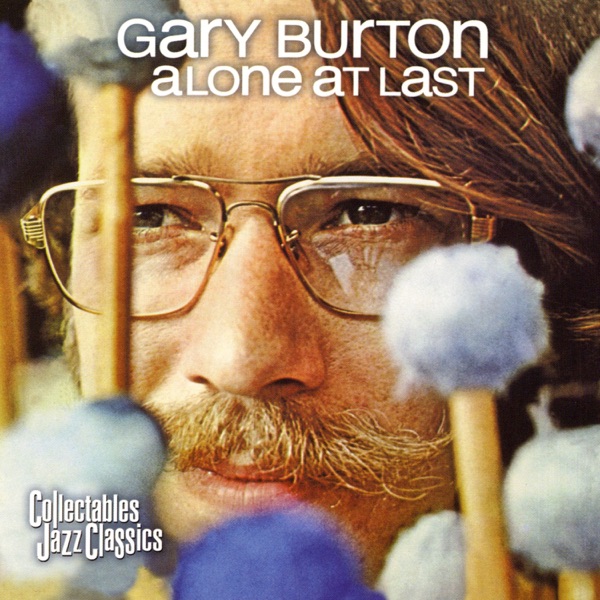


The musicians on this record
Their own records, close in time


