Four Mallets, One Voice
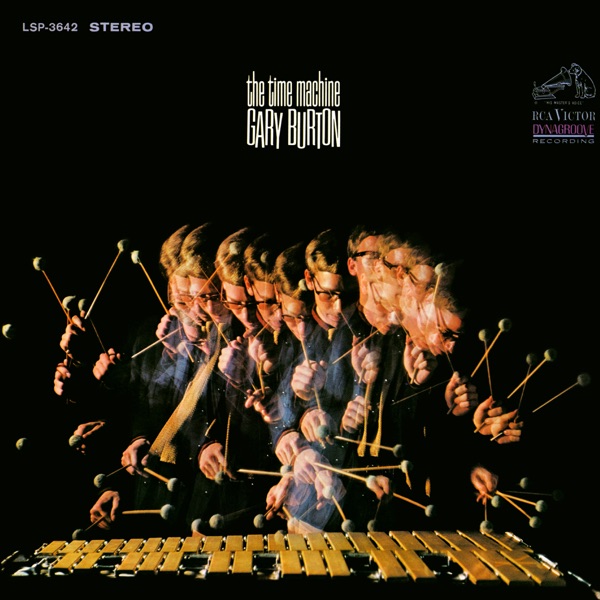
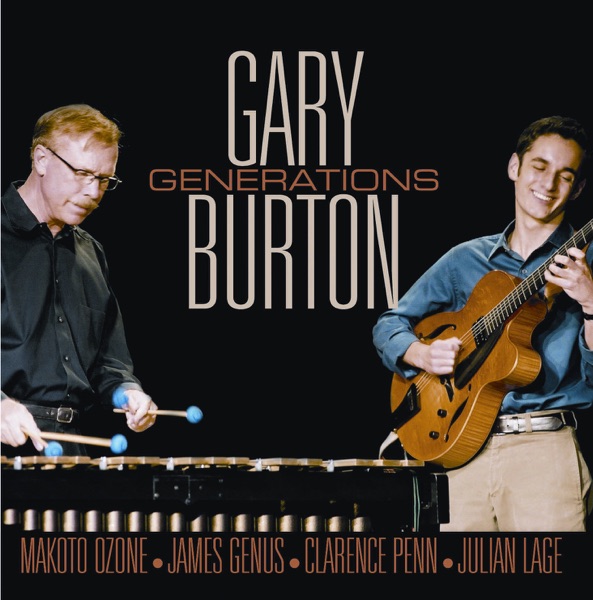
The vibraphone is a tricky instrument to take seriously. It has this shimmering, slightly glassy sound that can tip into lounge music territory fast if you're not careful. Burton figured out early that the way to avoid that was to treat it like a harmonic instrument rather than a melodic one — play the chords yourself, hold the rhythm yourself, be your own band. His four-mallet technique wasn't just a trick; it completely changed what was possible on the instrument, and pretty much every vibraphonist working today learned something from watching him.
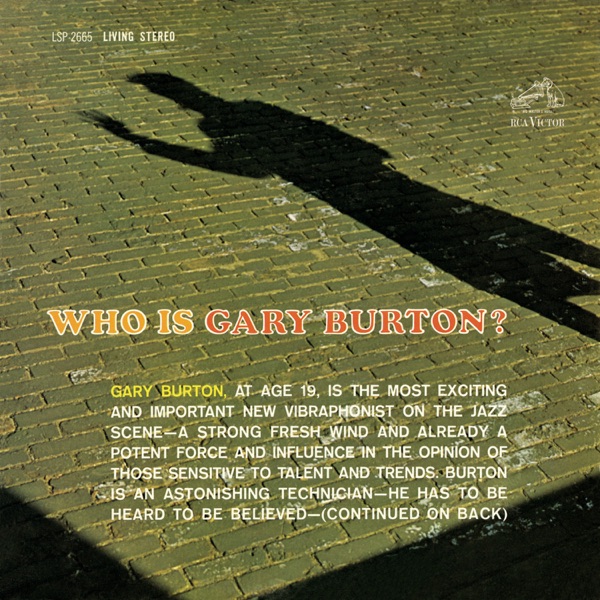
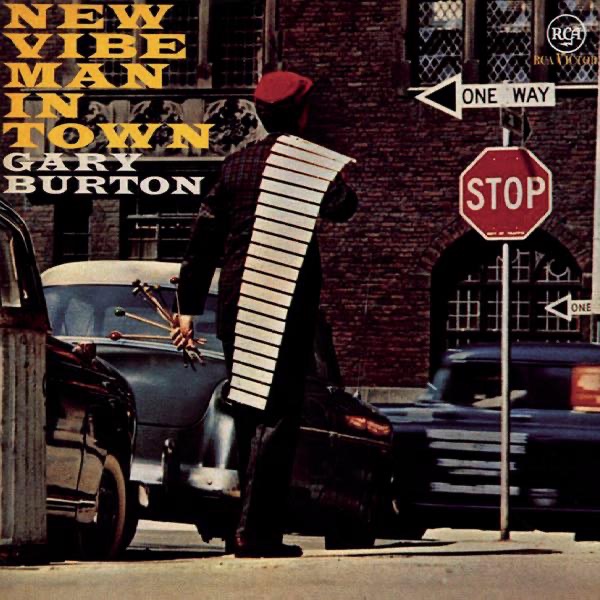
His early records for RCA in the mid-1960s are where things get interesting. He was playing with country musicians in Nashville as a teenager, and that background never fully left him. When he put together his own quartet, the music had this open, almost spacious quality that didn't sound like hard bop or swing or anything with a clean label. Duster (1967) is the one people point to — it came out before fusion was a thing and sounds like it was made after. Larry Coryell was in that band, playing electric guitar in ways that hadn't really shown up in jazz before, and the whole record has this loose, adventurous feel that holds up completely.
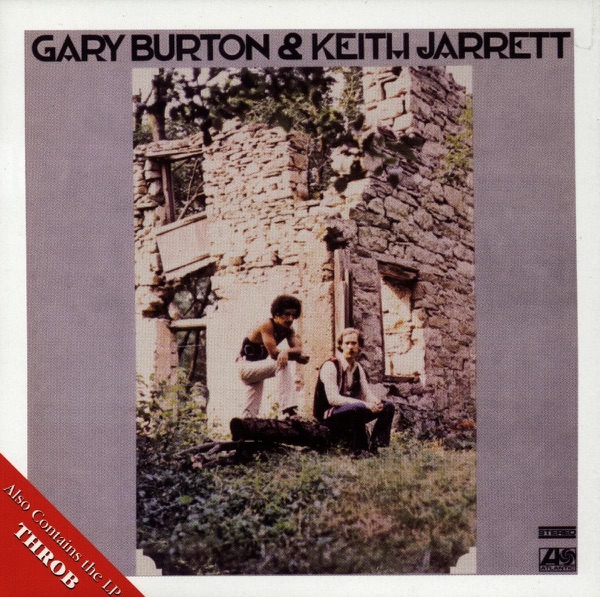
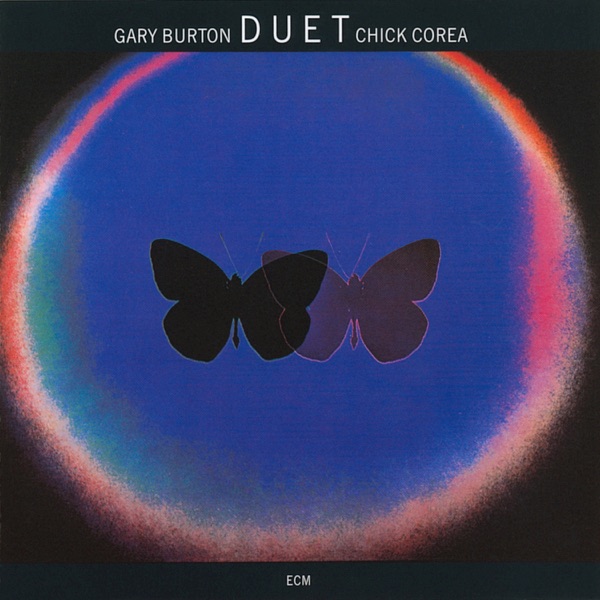
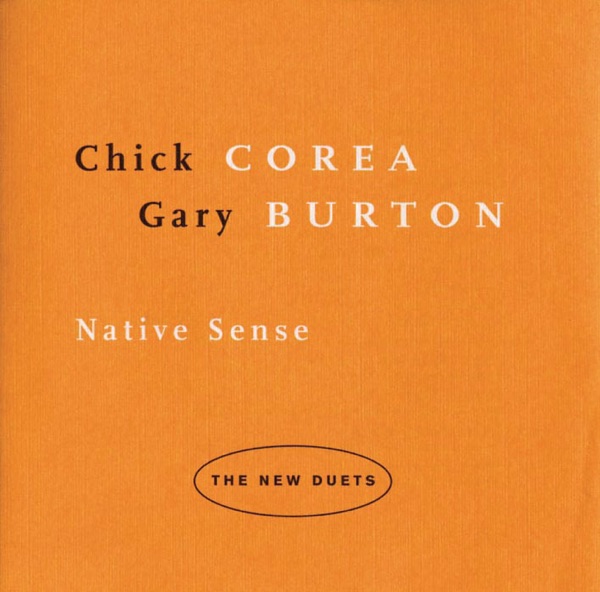
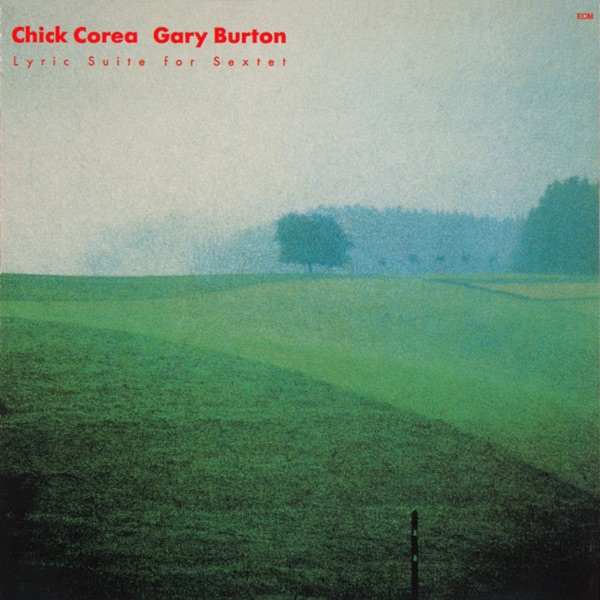
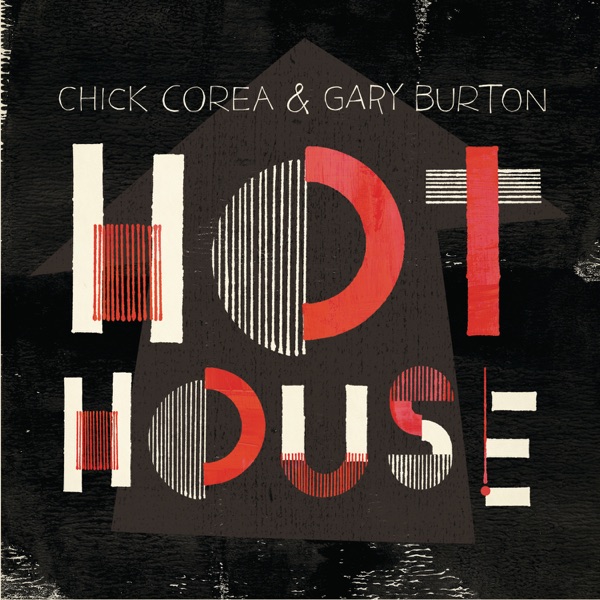
The partnership with Chick Corea is something else worth knowing about. They started playing together as a duo in the 1970s and kept returning to each other for decades. Two improvising musicians, no rhythm section, just vibes and piano trading ideas in real time. It's some of the most genuinely conversational music either of them made — you can hear them listening to each other, reacting, backing off when the other has something going. Their duo recordings are a good entry point if you want to hear what Burton actually sounds like when there's nowhere to hide.
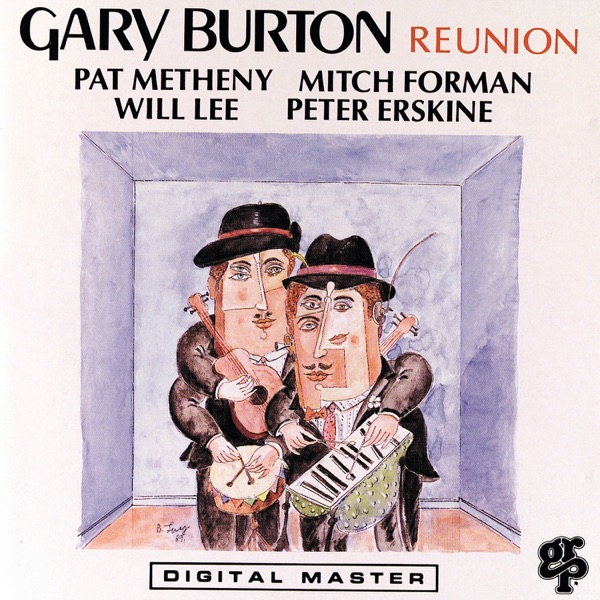
He spent a long stretch running the performance division at Berklee College of Music, eventually becoming its executive vice president. You might think that kind of institutional life would slow a player down, but Burton kept recording seriously through all of it. He worked with Pat Metheny early in Metheny's career — Ring (1974) catches that collaboration — and the two stayed connected. Burton had a real ear for who was interesting before the wider world caught on.
What to expect if you sit down with a Gary Burton record: the vibraphone front and center, but never flashy for its own sake. Clean lines, smart chord choices, a rhythm that breathes rather than drives. He's not going to knock you over. The music rewards attention — there's always more going on than the surface lets on, but he never makes you feel like you're being lectured to. Put on Duster (1967) or one of the Corea duo records and give it a full listen. That's usually all it takes.