2012 · Album
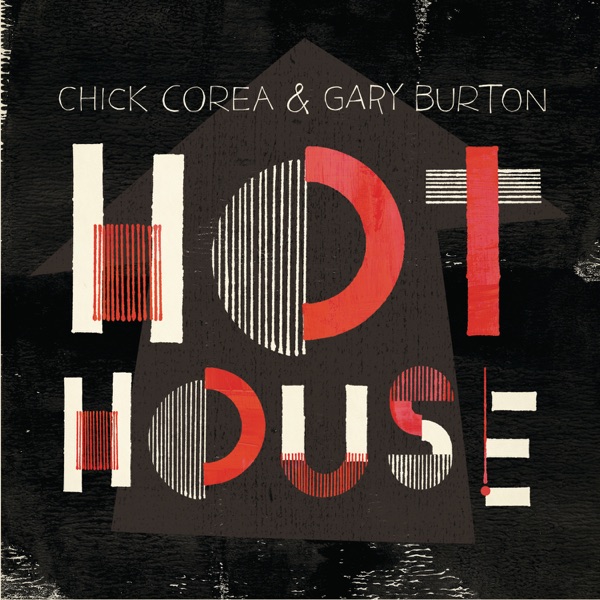
Hot House
Recorded 2012 · Concord Jazz · Produced by Not specified in Wikipedia source
Forty Years of Conversation, Distilled
A stellar example of the nearly symbiotic language they've developed over forty years.
When Gary Burton and Chick Corea released Hot House (2012), they were collecting the dividends of a partnership that had deepened across decades. The album arrived as a straightforward document of mastery — two musicians who had spent four decades talking to each other in music, finally recording what sounded like the most natural conversation in the room. Critics noticed immediately. AllMusic reviewer Thom Jurek awarded it four stars, calling it "collaboration in its purest and most elegant form," and the album earned Grammy nominations for Best Jazz Instrumental Album, with the title track winning Best Improvised Jazz Solo.
What makes this record compelling is its restraint. Rather than reach for obvious standards, Burton and Corea selected pieces by favorite composers — mostly jazz figures — that forced them to find fresh angles. A vibraphonist and a pianist working as equals have to listen harder than most. There's no rhythm section to fill space or suggest direction. Every note carries weight. The duo's approach weaves mainstream and modern jazz ideas inside individual tunes, sometimes within the same phrase, creating something that feels both rooted and searching.
For listeners familiar with their previous collaborations, Hot House deepens rather than reinvents. It's not a departure or a statement of new ideas. It's simply what two musicians sound like when they've learned each other's language so completely that the conversation becomes invisible — what remains is just the music, articulate and unhurried.
Who's playing
Chick Coreapiano
Gary Burtonvibraphone
Where next?
More by Gary Burton
All 42 albums →


The musicians on this record
Their own records, close in time