Corea's Electric Return to Form
His best electric album in decades—rich writing and arranging that surprised even seasoned listeners.
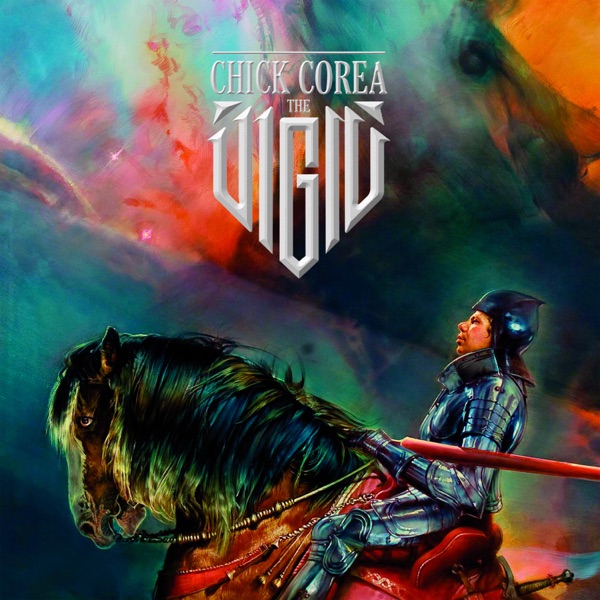
The Vigil arrived in 2013 as a genuine event in jazz circles, not because it was experimental or radical, but because Chick Corea had made nothing like it in years. Critics noticed immediately. John Kelman of All About Jazz heard it as a breakthrough: "The Vigil is certainly Corea's best electric album in decades." Thom Jurek from AllMusic praised the writing and arranging as among "some of Corea's richest in years," while John Fordham of The Guardian noted the 71-year-old pianist sounding "on scintillating form." The album won the Latin Grammy Award for Best Latin Jazz Album, and it climbed to number 4 on the Billboard Jazz charts—solid commercial performance for a veteran artist who could have coasted.
What made it matter was the ensemble itself and Corea's composing. Five of the seven tracks exceed ten minutes, but they don't drift; they spiral and lock into grooves that balance careful arrangement with real interaction. The band brought multifaceted talent—each member pulling weight—and Corea wrote specifically for them, not reaching for easy fusion formulas or recycled material. This was a working group with something to prove.
The Vigil sits apart from Corea's acoustic piano work and his earlier fusion experiments. It's electric, but not slick. It's jazz, but grounded in rhythm and ensemble discipline. For listeners who thought his best days were behind him, it was a reminder that Corea still had genuine music to make.



