Genre
Jazz Fusion
Late 1960s onwards — USA — Electric, Rhythmic, Ambitious
Jazz fusion plugs jazz improvisation into the voltage of rock, funk, and R&B — electric guitars, synthesizers, groove-locked rhythms, and soloists who want more power than an acoustic trio can give them. The result is music that can be wildly technical or utterly funky, sometimes both in the same bar. It's jazz that refuses to stay in the club.

The story really begins with Miles Davis. By the late 1960s, Miles was listening to Sly Stone and James Brown, and he decided he wanted that rhythm, that electricity, that density of sound. Bitches Brew (1970) didn't just open a door — it blew the walls out. Two electric pianos, electric bass, wah-wah trumpet, multiple drummers creating a kind of rhythmic fog that nobody had attempted before. The musicians who played on those sessions — Herbie Hancock, Chick Corea, Wayne Shorter, John McLaughlin, Tony Williams — went off and built entire careers around what they learned in Miles's studio.
Those alumni formed some of the most important bands in the genre's first decade. Tony Williams put together Lifetime, which hit harder than almost anything else around. Chick Corea founded Return to Forever, which moved through several distinct phases — from delicate acoustic work to full-on electric assault. Herbie Hancock formed the Headhunters and made Head Hunters (1973), which remains the best-selling jazz album of all time by some measures. It's a funk record that happens to feature jazz musicians, and that tension is exactly the point. Wayne Shorter and Joe Zawinul built Weather Report, probably the most consistently interesting fusion band of the 1970s — records like Heavy Weather (1977) showed that the genre could have pop appeal without dumbing anything down.
John McLaughlin deserves his own paragraph. The Mahavishnu Orchestra, which he led in the early 1970s, brought a ferocity to fusion that nobody else matched — odd time signatures, Indian classical influences, volume levels borrowed from rock. The Inner Mounting Flame (1971) still sounds aggressive today. Meanwhile in Europe, bands were mixing jazz with local folk traditions and Canterbury progressive rock in ways that produced something genuinely different from what was happening in New York or Los Angeles. The genre was never one thing.
Fusion took a lot of criticism from jazz purists who felt it sold out the music's complexity for commercial appeal, and honestly, some of it did. The 1980s produced plenty of smooth, inoffensive records that kept the name but dropped the ambition. But the best fusion records hold up because the musicianship is real — these players could improvise fluently in any context, and the electric instruments gave them new textures to work with rather than replacing their skills. Younger musicians like Pat Metheny kept finding new corners of the form, and fusion's influence spread into everything from hip-hop production to contemporary R&B. The genre never really ended; it just kept mutating.
Fusion is what happens when jazz musicians hear something they want and go get it — regardless of what genre it belongs to.
Essential Albums
♫
Bitches Brew
Miles Davis · 1970
The record that made fusion a serious proposition — dense, electric, and unlike anything before it.
♫
The Inner Mounting Flame
Mahavishnu Orchestra · 1971
McLaughlin and company showed that fusion could be as aggressive and complex as any avant-garde jazz, just louder.
♫
Head Hunters
Herbie Hancock · 1973
The point where jazz and funk merged so completely that arguing about which one it is misses the whole idea.
♫
Heavy Weather
Weather Report · 1977
Proof that fusion could reach a wide audience without flattening its intelligence — Zawinul and Shorter at the height of their powers.
In This Genre
134 artists in your library♫
Thundercat
Bass — USA — Neo-Soul / Jazz Fusion
Thundercat plays bass like he's having the best time you're not invited to — looping harmonics, slapping out cartoon funk, then slipping into something so tender it catches you off guard. He came up through the Los Angeles session world, spent years in the engine room of Kendrick Lamar's most important records, and somehow also became one of the most distinctive solo voices of his generation. The bass is the vehicle, but the destination is something weirder and more personal than most players would dare.
♫
Irakere
Ensemble - Cuba - Latin Jazz
Irakere started as a rule-breaking experiment inside Cuba's state-run music system and turned into one of the loudest, most technically stunning bands to come out of Havana. They took santería drumming, big band horns, rock guitar and bebop chops and mashed them into something nobody in the US or Cuba had quite heard before.
♫
Agharta
Band - Japan - Electric Jazz / Fusion
Agharta was one of the first Japanese jazz-rock bands to actually sound like they meant it — not a polished imitation of American fusion, but something grittier and more committed. They came out of Tokyo's late-night club scene at a time when Japanese musicians were quietly getting very good at music that the rest of the world assumed belonged to someone else. By the mid-1970s they were pushing into territory that even their American influences hadn't fully mapped.
♫
Madlib (Otis Jackson Jr.)
Producer/Multi-Instrumentalist - USA - Spiritual Jazz / Jazz Fusion
Madlib isn't a jazz musician in the traditional sense — he's a crate-digger who fell so deep into jazz records that he started making his own, under a dozen fake names, playing every instrument himself. He built an entire imaginary band called Yesterdays New Quintet just so he could channel Sun Ra, Alice Coltrane, and Roy Ayers without anyone looking over his shoulder.
♫
Peter Apfelbaum
Saxophone, Keyboards - USA - Spiritual Jazz / Fusion
Peter Apfelbaum is the guy who never met a genre he didn't want to throw into the pot. He built his reputation leading a sprawling, horn-heavy collective called the Hieroglyphics Ensemble, a band that sounded like it had one foot in a Harlem big band and the other in a Lagos street parade. Spend any time with his records and you start to understand he's less interested in jazz as a category than jazz as a meeting place.
♫
Roy Ayers
Vibraphone · USA · Jazz-Funk / Soul-Jazz
Roy Ayers is the rare musician who built a loyal following in two completely different worlds — jazz and funk — and never really had to choose between them. Starting as a hard bop vibraphonist in the 1960s, he gradually developed a warm, groove-centered sound that became one of the most sampled catalogs in hip-hop history. He didn't abandon jazz for pop; he just followed his ear somewhere irresistibly funky.
♫
Jon Balke
Piano - Norway - Nordic Jazz
Jon Balke is the guy who looked at Nordic jazz's cool reputation and decided to drag in Baroque strings, North African rhythm, and Arabic poetry just to see what would happen. He's spent decades building projects that sound like nothing else on ECM's roster, which is saying something given that label's track record for strange beauty.
♫
Iain Ballamy
Saxophone - England - Contemporary Jazz
Iain Ballamy came out of the big, messy, brilliant British jazz orchestra Loose Tubes and never really lost that band's appetite for mixing things up. He plays tenor and soprano with a tone that's warm rather than flashy, and he's spent decades proving that English jazz didn't need to sound like anyone else's.
♫
Gato Barbieri
Tenor Saxophone - Argentina - Latin Jazz / Free Jazz
Gato Barbieri played the tenor saxophone like he was shouting across a canyon — raw, cracked, full of feeling. He started out screaming inside the free jazz movement in Europe, then turned around and built a sound soaked in the folk music of his native Argentina, and somewhere in between he scored a movie that made him briefly, strangely famous.
♫
Django Bates
Piano - United Kingdom - Avant-Garde Jazz
Django Bates writes tunes that sound like they're having an argument with themselves — gorgeous one second, lopsided and prickly the next. He came up through the big British jazz-rock orchestras of the 1980s and never really left that appetite for chaos behind, even when he's playing something as tender as a Charlie Parker ballad.
♫
Steven Bernstein
Trumpet, Slide Trumpet - United States - Avant-Garde / Soul Jazz
Steven Bernstein plays trumpet like he's conducting a parade through a junk shop — brass fanfares, New Orleans swagger, and downtown New York grit all crammed into the same horn line. He's the guy who can arrange strings for Levon Helm one year and lead a slide-trumpet quartet covering Prince the next, and somehow both make total sense coming from him.
♫
Terence Blanchard
Trumpet - USA - Post-Bop
Terence Blanchard is the rare jazz musician who built two full careers side by side — one on the bandstand, one in the editing room. He came up through Art Blakey's band in New Orleans tradition, then spent decades scoring Spike Lee's films, and somehow never let either side go slack.
Paul Bley
Piano - Canada - Post-Bop, Free Jazz, Fusion
Paul Bley was a restless architectural genius of the keyboard whose music seemed to exist in perpetual conversation with silence. Operating across seven decades with unwavering experimental curiosity, he mapped territories between bebop, free improvisation, and electronic innovation that few pianists dared approach. His whisper-light touch and harmonic sophistication made him an invisible architect of modern jazz's most adventurous corners.
♫
Lester Bowie
Trumpet - United States - Avant-Garde Jazz
Lester Bowie played trumpet like he was laughing and crying at the same time, sometimes in the same phrase. He co-founded the Art Ensemble of Chicago, wore a lab coat on stage instead of a suit, and spent four decades proving that avant-garde music could be funny, funky, and deadly serious all at once.
♫
Moses Boyd
Drums - United Kingdom - Contemporary Jazz
Moses Boyd came up in the same South London scene that gave the world Shabaka Hutchings and Nubya Garcia, but he's always been the one thinking about beats first, drum kit second. He plays like someone who grew up on grime and broken beat as much as Art Blakey, and that combination has made him one of the more interesting rhythmic minds in British jazz right now.
♫
Michael Brecker
Tenor Saxophone - United States - Post-Bop / Jazz Fusion
If you listened to the radio at all in the 1970s and 80s, you heard Michael Brecker whether you knew his name or not. He played on more hit records than almost anyone in jazz history, then spent the back half of his career proving he had just as much to say as a leader.
♫
Randy Brecker
Trumpet - United States - Jazz Fusion
Randy Brecker is the guy who figured out how to make a trumpet sound like it belonged in a funk band without losing the bebop vocabulary underneath. He's played on more sessions than anyone could count, co-led one of the tightest fusion outfits ever assembled with his brother Michael, and somehow never got the mainstream name recognition his playing deserves.
♫
Gary Burton
Vibraphone · USA · Post-Bop / Fusion
Gary Burton plays vibraphone the way most people play piano — with four mallets at once, filling out chords and voicings that the instrument was never really supposed to produce. He came up in Nashville as a teenager prodigy, ended up at Berklee, and spent the next six decades making the vibraphone sound less like a novelty and more like a frontline voice. Along the way he helped invent jazz fusion before anyone had a name for it, and mentored more working jazz musicians than almost anyone alive.
♫
Donald Byrd
Trumpet · USA · Hard Bop / Jazz-Funk
Donald Byrd spent the first half of his career building a reputation as one of the most dependable and swinging trumpet voices in hard bop, recording prolifically for Blue Note and running with the best players in New York. Then, in the early 1970s, he did something few of his peers dared: he pivoted hard toward funk, R&B, and electric production, and made it work on its own terms. The result was a career that splits listeners down the middle — and a discography that rewards exploration on both sides of that divide.
♫
Larry Carlton
Guitar - United States - Jazz Fusion
Larry Carlton is the guy who played on half the records in your parents' collection without you ever knowing his name. He built a career out of being the best session guitarist in Los Angeles, then stepped out front and showed everyone he'd been holding back the whole time.
♫
Doug Carn
Organ, Piano - United States - Spiritual Jazz
Doug Carn made some of the most quietly radical jazz records of the early 1970s by doing something almost heretical: putting words to instrumental classics by John Coltrane and Wayne Shorter. Paired with his then-wife, vocalist Jean Carn, he turned Black Jazz Records into a home for organ-driven spiritual jazz that sounded like church, protest, and late-night meditation all at once.
♫
Billy Childs
Piano, Composition - USA - Post-Bop / Contemporary Jazz
Billy Childs never really picked a lane, and that's the whole point. He came up playing hard bop with veterans like Freddie Hubbard, then spent decades quietly building a body of work that treats jazz improvisation and classical chamber writing as two dialects of the same language. The result is music that feels composed and spontaneous at once, which is a much harder trick than it sounds.
♫
Mike Clark
Drums - USA - Jazz Fusion
Mike Clark is the drummer who figured out how to make a groove sound like it was falling down the stairs and landing on its feet every single time. He's the guy behind the beat on Thrust, the one that made every drummer who heard it rewind and try to count it out on their fingers. Decades later he's still doing club dates and clinics, still explaining a rhythm that most people can feel but can't quite diagram.
♫
Stanley Clarke
Bass - USA - Jazz Fusion / Funk
Stanley Clarke did something that almost nobody had managed before him: he made the bass guitar a lead instrument that audiences actually came to hear. Growing up in Philadelphia and cutting his teeth in some of the most forward-thinking bands of the early 1970s, he arrived at a moment when jazz was cracking open, and he helped pull it apart in the best possible way. If you've ever heard a bass solo that made you forget a bassist was supposed to be in the background, there's a decent chance Clarke had something to do with establishing that possibility.
♫
Billy Cobham
Drums - USA - Jazz Fusion
There are drummers who keep time, and then there is Billy Cobham, who seemed to reinvent what a drum kit could do in real time. His work on Miles Davis's electric sessions and then with Mahavishnu Orchestra made it impossible to hear rock and jazz the same way again. He hit harder, faster, and more precisely than almost anyone around him, and he made it look effortless.

Chick Corea
Piano - United States - Fusion, Bebop, Latin Jazz
Chick Corea was a virtuoso pianist whose restless creativity reshaped jazz across five decades, from his revolutionary work with Miles Davis to his genre-defying fusion experiments. His fleet fingers and harmonic sophistication made him one of the most recorded and influential jazz musicians of the modern era. Whether leading his own ensembles or collaborating across genres, Corea remained a tireless innovator who refused to settle into any single style.
♫
Larry Coryell
Guitar - USA - Jazz Fusion
Larry Coryell was one of the first guitarists to seriously merge rock energy with jazz vocabulary, arriving in New York in the mid-1960s when that combination felt genuinely dangerous and new. He had the chops to hang with anyone — bebop heads, free players, classical composers — and spent his whole career restlessly moving between those worlds. The fact that he never settled into a single lane frustrated some people and made him all the more interesting to others.
♫
Theon Cross
Tuba - England - Jazz Fusion
Theon Cross took an instrument nobody expected to see fronting a jazz band and made it sound like a bass drop. He came up through London's brass band tradition and ended up as the low end of Sons of Kemet, then walked out on his own and proved the tuba could carry a whole record by itself.
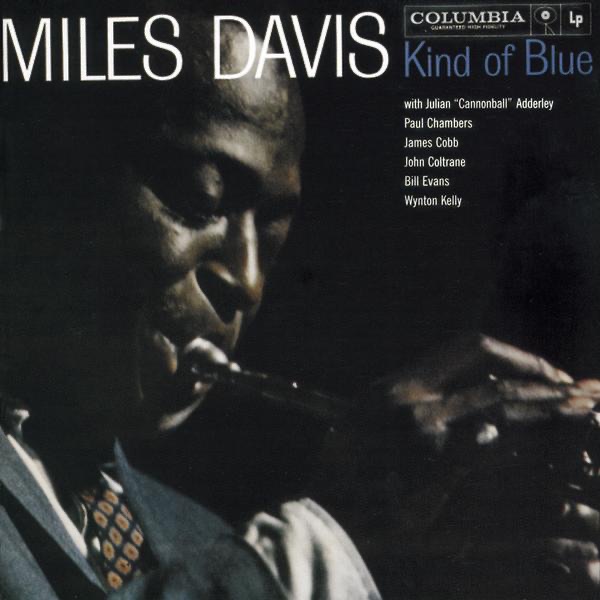
Miles Davis
Trumpet · USA · Modal / Jazz Fusion
More than any other figure in jazz, Miles Davis treated reinvention as a moral obligation — each decade brought a new sound, a new band, a new argument about where music should go. He had the rare gift of hearing the future before anyone else, and the rarer gift of making others feel it too. To trace his career is to trace the entire arc of modern jazz itself.
♫
Raul De Souza
Trombone · Brazil · Jazz-Funk / Brazilian Jazz
Raul De Souza is a Brazilian trombonist who figured out how to make one of jazz's least glamorous instruments sound genuinely funky — warm, sliding, almost vocal. He came up through the Rio samba and bossa nova scene before landing in the United States in the 1970s, where he recorded some of the most enjoyable Brazilian-flavored jazz-funk of that decade. He never became a household name, but anyone who has heard his playing tends to remember it.
♫
Jack DeJohnette
Drums - United States - Fusion, Post-Bop, Free Jazz
Jack DeJohnette is a polymath drummer whose restless creativity has made him indispensable across decades of jazz evolution. From his groundbreaking work with Miles Davis to his visionary leadership of his own ensembles, DeJohnette has consistently pushed the boundaries of what percussion can express, blending technical mastery with poetic sensitivity.
♫
Al Di Meola
Guitar - USA - Fusion / Flamenco
Al Di Meola arrived on the jazz scene as a teenager with a speed and precision that made other guitarists stop and pay attention. Over five decades he has moved restlessly between electric fusion, acoustic flamenco, tango, and world music, never quite settling into one identity. The result is a catalog that rewards patience — not every record lands, but the peaks are genuinely thrilling.
♫
George Duke
Piano / Keyboards — USA — Jazz-Funk / Fusion
George Duke was one of those musicians who could play deep jazz one night and have a packed dancefloor the next, and he genuinely enjoyed both. He spent years as Frank Zappa's most unlikely collaborator, then reinvented himself as a funk and R&B hitmaker, all while never really leaving jazz behind. The through-line was a keyboard touch and harmonic vocabulary that made almost everything he touched sound alive.
♫
Kevin Eubanks
Guitar - USA - Post-Bop / Fusion
Kevin Eubanks spent nearly two decades as the affable bandleader on The Tonight Show, and for many viewers that was the whole story — but that warm television presence was always sitting on top of a genuinely serious jazz guitar voice. Before Jay Leno, there was a young Philadelphian making records that moved fluidly between hard bop, fusion, and something approaching acoustic guitar impressionism. Getting past the famous day job is the first step toward hearing what he actually does.
♫
Gil Evans
Arranger/Pianist - Canadian/American - Cool Jazz
Gil Evans didn't solo much and barely wrote conventional melodies, but he reshaped how jazz could sound when a whole orchestra breathed as one instrument. He's the quiet architect behind some of the most beautiful records Miles Davis ever made, and a guy who kept reinventing himself well into his sixties.
♫
Wilton Felder
Tenor Saxophone & Bass - USA - Soul Jazz / Fusion
Wilton Felder spent his whole career refusing to pick a lane, and it worked out fine. He co-founded The Crusaders, blew tenor sax with a big Texas honk, and somehow also became one of the most called-upon bass players in Los Angeles studios. Ask a casual listener who he is and they probably don't know the name — but they've heard him.
♫
Robben Ford
Guitar - USA - Blues-Jazz Fusion
Robben Ford is the guitarist jazz musicians call when they want someone who can actually bend a note like he means it. He came up playing blues behind singers like Jimmy Witherspoon, then kept wandering into rooms where nobody expected a blues player to belong — Joni Mitchell's band, Miles Davis's stage, the founding lineup of Yellowjackets. He never stopped being a blues guy. He just got very good at using that voice in jazz company.

Return to Forever
Band · USA · Jazz Fusion
Return to Forever was Chick Corea's primary vehicle for jazz fusion in the 1970s, a band that went through two distinct phases and two distinct sounds. The first lineup — with Joe Farrell on reeds, Flora Purim on vocals, Airto Moreira on percussion, and Stanley Clarke on bass — made bright, Brazilian-influenced records for ECM. The second lineup, anchored by Clarke and successively featuring Bill Connors and then Al Di Meola on electric guitar, turned harder and louder, moving toward rock-influenced fusion with elaborate concept albums. Both versions were excellent. Clarke became one of the defining electric bass players of the era. Di Meola became a guitar sensation. And Corea found a way to be both a bandleader and a soloist without either role suffering.

Ryo Fukui
Piano - Japan - Modal Jazz, Fusion
Ryo Fukui was a virtuoso pianist whose melodic sophistication and harmonic daring positioned him as a singular voice in 1970s Japanese jazz. Working largely outside the international spotlight, he crafted albums of stunning inventiveness—modal explorations and fusion experiments that anticipated wider conversations about jazz's global future. His rediscovery in recent years has revealed an artist of remarkable depth and prescient vision.
♫
Richard Galliano
Accordion - France - Jazz Fusion
Richard Galliano took an instrument everybody associated with sidewalk cafes and Parisian clichés and made it swing, cry, and burn like a saxophone. He didn't just play jazz on accordion — he rebuilt the whole vocabulary of the instrument so it could sit comfortably next to a bebop horn or a tango bandoneon. Decades later, he's still the guy serious musicians call when they want that sound.
♫
Michael Gibbs
Trombone, Composer, Arranger - Zimbabwe/UK - Jazz Fusion
Michael Gibbs is the guy who figured out how to make a big band sound like it was plugged into an amplifier without losing any of its sophistication. He came up through Berklee and Tanglewood with proper training in orchestration, then spent the next few decades writing charts that let rock guitars and jazz horns sit comfortably in the same room.
♫
Chico Hamilton
Drummer - United States - Cool Jazz
Chico Hamilton never chased flash on the drums, but he had an ear for putting the right strange combination of instruments in a room together and getting magic out of it. He's the guy who put a cello in a jazz group and made it sound completely natural, then spent the next five decades finding young unknowns and letting them run wild in his band.
♫
Jan Hammer
Keyboards - Czech Republic / USA - Jazz Fusion
Jan Hammer grew up in Prague playing jazz piano, fled the Soviet invasion in 1968, and ended up rewriting the rulebook on what a synthesizer could do in a live band context. His years with the Mahavishnu Orchestra put him on the map, but his solo work and his soundtrack for Miami Vice turned him into something genuinely unusual: a serious jazz musician who also had a number-one pop hit. The two halves of his career don't cancel each other out — they just make him harder to categorize than most.
♫
Herbie Hancock
Piano - United States - Post-Bop
By the late nineties Herbie Hancock had already been a bebop kid, a Miles Davis sideman, a funk innovator, and a hip-hop crossover act with a Grammy in his pocket. So when he decided to make a George Gershwin tribute record, he didn't just cover the songbook — he blew it open, inviting opera singers, Stevie Wonder, and African drummers to sit at the same table. Gershwin's World is Hancock refusing to sit still, even in his late fifties.
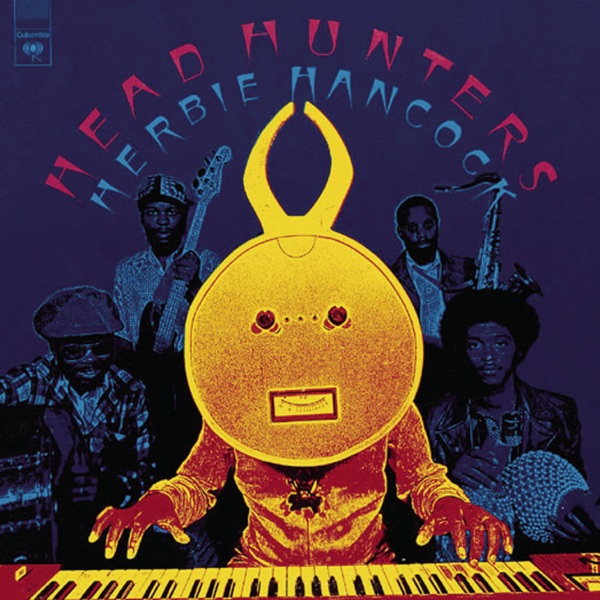
Herbie Hancock
Piano · USA · Post-Bop / Fusion / Funk
Few pianists have reinvented themselves as many times as Herbie Hancock — and fewer still have done it while remaining unmistakably themselves. From the cerebral cool of his Blue Note years to the body-electric shock of Head Hunters, he has always treated jazz not as a tradition to preserve but as a living argument to continue. His left hand alone contains entire histories.
♫
Eddie Harris
Tenor Saxophone - United States - Soul Jazz
Eddie Harris had a hit record before he turned thirty and then spent the rest of his career refusing to repeat himself. He plugged his saxophone into effects boxes, sang through a reed trumpet, and turned a protest song into a crossover smash, all while the jazz establishment squinted at him sideways.
♫
Billy Hart
Drums - United States - Post-Bop
Billy Hart has spent sixty years making other people's bands sound better, which is maybe the quietest kind of genius there is. He played electric with Herbie Hancock, acoustic with McCoy Tyner, and somehow kept his own sound intact through all of it — a drummer who never needed to be the loudest thing in the room to be the reason it worked.
♫
The Headhunters
Ensemble - USA - Jazz Fusion
Herbie Hancock walked away from an acoustic quintet and into a groove machine, and the result was a band that made jazz musicians dance instead of just nod along. The Headhunters didn't apologize for being funky — they leaned into it, and jazz has never quite recovered.
♫
Eddie Henderson
Trumpet - United States - Post-Bop / Fusion
Eddie Henderson spent the first part of his adult life becoming a doctor and the rest of it proving he didn't have to choose between stethoscope and trumpet. He's the rare musician who played alongside Miles Davis as a teenager, then went and got an M.D. before circling back to become one of the most reliable post-bop trumpeters of his generation.
♫
Wayne Henderson
Trombone - United States - Soul Jazz / Fusion
Wayne Henderson played trombone like it was a horn section all by itself — fat, funky, and built for the dance floor as much as the jazz club. He co-founded The Jazz Crusaders in Houston, rode the band through its transformation into The Crusaders, and then quietly became one of the most in-demand producers in Black popular music.
♫
Michael Henderson
Bass - USA - Electric Jazz / Funk
Michael Henderson is the bassist who held down the bottom end for two of the most restless figures in 1970s music — Stevie Wonder and Miles Davis — and somehow made both gigs sound effortless. He came out of Detroit as a teenager and ended up in rooms where jazz was being rewired from the inside out, playing electric bass with a locked-in groove that nobody was going to argue with. His tone was deep, his timing was almost arrogant in its confidence, and the records he appeared on remain some of the most interesting things that happened to rhythm in that entire decade.
♫
Terumasa Hino
Trumpet - Japan - Post-Bop
Terumasa Hino came up in Tokyo playing hard bop with a ferocity that had nothing to do with imitation and everything to do with conviction. He spent decades building a reputation in Japan before Blue Note came calling, and by the time Western audiences caught on, he had already gone somewhere else entirely. His trumpet playing is aggressive, searching, and occasionally uncomfortable in the best possible way.
♫
Martin Horntveth
Drums, Percussion - Norway - Nordic Jazz
Martin Horntveth is the drummer who keeps Jaga Jazzist from ever settling into one groove for too long. He grew up in a house full of instruments and siblings who all ended up in the same band, and he's spent his career treating jazz drumming like it's just one tool among many — alongside electronics, noise, and whatever else the moment calls for.
♫
Line Horntveth
Tuba, Percussion - Norway - Nordic Jazz Fusion
Line Horntveth is the tuba player in a band that treats the tuba like a lead instrument, which tells you most of what you need to know about Jaga Jazzist. She's spent decades inside one of Norway's strangest and most beloved musical exports, while also building a quieter solo career that trades the big-band fireworks for something more patient and personal.
♫
Lars Horntveth
Reeds & Guitar - Norway - Nordic Jazz
Lars Horntveth has spent his whole career refusing to sit still inside one genre, bouncing between jazz, prog, minimalism, and film scoring like it's all the same instrument. As the chief architect of Jaga Jazzist, he turned a teenage Tromsø garage band into one of the most inventive groups to come out of Norway. On his own, he's just as restless — building orchestral pop out of a single repeated phrase, or disappearing into a saxophone part for months at a time.
♫
Toninho Horta
Guitar - Brazil - Contemporary Jazz
Toninho Horta plays guitar like he's thinking out loud — chords that bend in directions you don't expect, melodies that wander off and somehow find their way home. He came out of Belo Horizonte's Clube da Esquina scene alongside Milton Nascimento and never really left that world behind, even as he started working jazz rooms and studios from Rio to New York.

Freddie Hubbard
Trumpet - USA - Hard Bop, Fusion, Soul Jazz
Freddie Hubbard was a virtuoso trumpeter whose technical brilliance and emotional directness made him one of the most recorded jazz musicians of the post-bop era. From hard bop grooves to avant-garde explorations and electric fusion experiments, Hubbard's burnished tone and fearless improvisational approach commanded respect across multiple decades. His collaborations shaped the sound of Blue Note Records in the 1960s and beyond.
♫
Bobbi Humphrey
Flute · USA · Jazz-Funk / Soul Jazz
Bobbi Humphrey made the flute sound like it belonged in a club, not a concert hall — warm, funky, and completely comfortable sitting next to a wah-wah bass. She came up through the Blue Note roster in the early 1970s and became one of the label's best-selling artists of that era, which surprises people who only know Blue Note for hard bop. Her records are the kind of thing that DJs and crate-diggers have been looping for decades without always knowing whose name is on the cover.
♫
Zakir Hussain
Tabla - India - Jazz Fusion
Zakir Hussain made the tabla speak in a language jazz musicians understood without translation. He grew up in a house where rhythm was the family business, then spent fifty years proving that Indian classical music and jazz could sit in the same room and argue productively.
♫
Shabaka Hutchings
Saxophone - United Kingdom - Spiritual Jazz
Shabaka Hutchings spent the last decade turning three different bands into three different arguments for why jazz still matters outside the conservatory. Then, at the height of his influence, he put the saxophone down and picked up the flute. That kind of nerve is rare, and it's exactly what makes him worth paying attention to.
♫
Brian Jackson
Piano, Flute — USA — Soul Jazz, Fusion
Before most people had figured out what to do with a synthesizer in a jazz context, Brian Jackson was already weaving flute lines and electric piano into something that felt completely natural. He spent the better part of a decade as the musical backbone behind Gil Scott-Heron, co-writing some of the sharpest, most politically charged music of the 1970s. Outside that partnership, his story is less told than it deserves to be.
♫
Paul Jackson
Bass - United States - Jazz Fusion
Paul Jackson is the reason Herbie Hancock's Headhunters sound like they're breathing instead of playing. He didn't slap the bass so much as he leaned into it, laying down lines so deep and locked-in that entire dance floors moved without thinking about why. If you've ever nodded your head to a groove and didn't know who to thank, there's a decent chance it was him.
♫
Bob James
Piano - USA - Smooth Jazz / Fusion
Bob James is the pianist and arranger who essentially built the sonic furniture of smooth jazz — the warm Rhodes tones, lush string arrangements, and grooves that became inescapable on late-70s FM radio. His records for CTI and Tappan Zee are also among the most sampled in hip-hop history, which is its own kind of vindication. He's easy to underestimate if you only know his reputation, and easy to appreciate once you actually sit down with the records.
♫
Jaga Jazzist
Large Ensemble - Norway - Jazz Fusion
Jaga Jazzist is less a band than a small orchestra that happens to groove — ten-plus musicians from Tønsberg, Norway, blending horns, synths, and drum kits into something that sounds like a jazz big band raised on Aphex Twin and Steve Reich. They don't swing in the traditional sense, but they build and release tension like nobody else in Nordic music.
♫
Jacob Karlzon
Piano - Sweden - Nordic Jazz
Jacob Karlzon is the kind of pianist who never got the memo that jazz and rock synths are supposed to stay in separate rooms. He plugs in, turns up, and plays piano lines that could just as easily come from a prog band as a jazz trio, and somehow it all still swings underneath.
♫
Kenny Kirkland
Piano · USA · Post-Bop
Kenny Kirkland was one of those pianists who could make any band sound better just by sitting down at the keys — technically ferocious but never cold, always swinging even when the music got complicated. He came up in the 1980s working alongside Wynton Marsalis and Branford Marsalis, then carved out his own voice on a small but remarkable solo discography before his death at 43. What he left behind is enough to make you genuinely sad about what didn't get recorded.
♫
Rolf Kühn
Clarinet - Germany - Swing & Bebop
Rolf Kühn was the clarinet player who refused to let the instrument stay stuck in the swing era. He crossed the Atlantic to play with Benny Goodman's generation, came home to Germany, and then spent the next six decades proving the clarinet could keep up with bebop, free jazz, and fusion without losing its warmth.
♫
Joachim Kühn
Piano - Germany - Free Jazz / Fusion
Joachim Kühn grew up on the wrong side of the Berlin Wall and spent his career refusing to stay put stylistically, jumping from free jazz to fusion to acoustic trio work like a man who never quite trusted comfort. He's the rare European pianist Ornette Coleman actually wanted to play with, which tells you something about how seriously he takes harmony as a thing you can bend rather than obey.
♫
Biréli Lagrène
Guitar - France - Jazz Fusion / Post-Bop
Biréli Lagrène arrived on the jazz scene as a teenager playing Django Reinhardt note-for-note with an eerie accuracy that made grown musicians uncomfortable. He then spent the next four decades proving that was just the starting point — pivoting through fusion, bebop, and acoustic swing with a fluency that most guitarists would kill for. He is one of those rare players who can make almost any style sound like it belongs to him.
♫
Nils Landgren
Trombone, Vocals - Sweden - Jazz Fusion
He plays a red trombone, sings like he means it, and has spent decades proving that jazz doesn't have to apologize for groove. Nils Landgren is the guy who shows up at a festival in a leather jacket and leaves the stage drenched in sweat, funk horns blaring behind him.
♫
Dave Liebman
Saxophone - United States - Post-Bop / Jazz Fusion
Dave Liebman spent two years in the early '70s standing next to Miles Davis, playing soprano saxophone inside some of the loudest, most unresolved electric music jazz ever produced. He came out the other side and spent the next five decades building a career that's part saxophonist, part teacher, part obsessive student of harmony. If you want to hear what happened to saxophone playing after John Coltrane left the building, Liebman is a good place to start.
♫
Didier Lockwood
Violin - France - Jazz Fusion
Didier Lockwood picked up the violin as a kid and ended up plugging it into an amplifier, which tells you most of what you need to know about him. He came out of the French prog-rock scene before anyone called what he did jazz, and he spent the rest of his life proving the instrument could keep up with anything electric guitars or synthesizers threw at it.
♫
DJ Logic
Turntables - United States - Jazz Fusion
DJ Logic took the turntable and treated it like a horn in a jazz band, scratching and looping his way into rooms where nobody expected a DJ to belong. He built his name not in hip-hop clubs but on jam band stages and jazz bills, proving the decks could swing just as hard as a saxophone.
♫
Flying Lotus
Producer / Composer - USA - Electronic Jazz
Steven Ellison grew up in Los Angeles with jazz royalty in his bloodline — his great-aunt is Alice Coltrane — and you can hear that inheritance in everything he makes, even when it's buried under drums that sound like they're falling down stairs. He makes music that sits at the edge of hip-hop, jazz, and electronic experimentation, refusing to settle into any of them. Few producers have built a world as sonically distinct as his.
♫
Bernard Lubat
Piano, Drums, Vibraphone - France - Avant-Garde Jazz
Bernard Lubat never picked one instrument and stuck with it, which tells you everything about how he thinks about music. He came up as a drummer good enough to tour with Stan Getz, then kept adding piano, vibraphone, accordion, and his own voice to the pile, turning concerts into something closer to theater. He also went home to the tiny Gascon village of Uzeste and built a festival there instead of chasing Paris.
♫
John Lurie
Saxophone - USA - Avant-Garde Jazz
John Lurie never wanted to be a jazz musician in the respectable sense, and that's exactly why he's worth knowing about. He led the Lounge Lizards through downtown New York's early-80s chaos, called what they played 'fake jazz' before anyone could call it anything else, then wandered off into film scores, acting, and painting like the whole thing was no big deal.
♫
Evan Lurie
Piano - United States - Avant-Garde Jazz
Evan Lurie made his name as the piano player inside the Lounge Lizards, the band his brother John built out of downtown New York's mix of jazz chops and punk attitude. He's one of those musicians who never quite fit the jazz world's usual boxes, moving between film scores, theater music, and a band that called itself 'fake jazz' and meant it as a compliment.
♫
Herbie Mann
Flute - USA - Jazz Fusion
Herbie Mann was the guy who made the flute a real jazz instrument, then spent the rest of his career annoying critics by refusing to sit still in one genre. He chased bossa nova to Brazil, funk to Memphis, and highlife to Africa, and he usually came back with a hit record. Jazz snobs sneered, audiences didn't care, and Mann just kept going.
♫
Mike Mantler
Trumpet & Composition - Austria - Avant-Garde Jazz
Mike Mantler never chased the spotlight as a player, but as an organizer and composer he built the room where some of the wildest jazz of the late 1960s and 70s got to happen. He's the guy who founded the Jazz Composers Orchestra Association, married Carla Bley, and spent decades writing music that sat somewhere between big-band ambition and free-jazz nerve.
♫
Cesar Camargo Mariano
Piano - Brazil - Latin Jazz
Cesar Camargo Mariano is the guy who made Brazilian jazz piano sound like it was breathing in Portuguese. He built his name in the samba jazz trios of São Paulo in the '60s, then spent the '70s reshaping how MPB records were arranged, most famously alongside his then-wife Elis Regina. Decades later he's still recording, still refining that unmistakable touch — dense harmony, light hands, total control.
♫
Medeski Scofield Martin & Wood
Ensemble - USA - Jazz-Funk / Groove
Take John Medeski's greasy organ, John Scofield's blues-drenched guitar, and the locked-in rhythm partnership of Billy Martin and Chris Wood, and you get something that sounds like a downtown New York jam session that just accidentally caught fire. This quartet has no fixed agenda — some nights it's funk, some nights it's free jazz, some nights it's something you can't really name. That open-endedness is kind of the whole point.
♫
Pat Martino
Guitar - United States - Hard Bop / Soul Jazz
Pat Martino played guitar like he was solving a math problem at top speed, except the math problem swung hard. Then in 1980 a brain aneurysm took his memory, including the memory of how to play his own instrument, and he built it all back from old records of himself. Few stories in jazz are stranger or more quietly heroic than that one.
♫
Bennie Maupin
Reeds & Woodwinds - USA - Modal Jazz / Jazz Fusion
Bennie Maupin is the kind of musician other musicians know about even when the general public doesn't. He played bass clarinet on one of the most important jazz albums ever made, spent years as the spine of Herbie Hancock's Mwandishi band, and built a solo career that quietly rewarded anyone paying close attention.
♫
Donny McCaslin
Saxophone - United States - Jazz Fusion
Donny McCaslin spent decades as one of the most respected tenor players in New York before most casual listeners ever heard his name — then David Bowie called, and everything changed overnight. He's the rare saxophonist equally comfortable inside a knotty Maria Schneider chart and a synth-heavy rock arrangement, and he's spent his solo career trying to smash those worlds together on purpose.
♫
Jack McDuff
Organ - United States - Soul Jazz
Brother Jack McDuff started out playing bass in blues bands around Chicago, but once he sat down at a Hammond B-3 he never really got up again. He built a sound that was greasy, churchy, and built for dancing, and along the way he gave young guitarists like George Benson and Pat Martino their first real education on a bandstand.
♫
John McLaughlin
Guitar - UK/France - Fusion, Jazz-Rock
John McLaughlin arrived in the late 1960s already fully formed — a guitarist whose technique was so far ahead of his peers that even seasoned professionals stopped and stared. He spent the following decades chasing connections between jazz, rock, Indian classical music, and flamenco with a restlessness that never quite settled, and that's what makes him worth your time.

Pat Metheny
Guitar - United States - Contemporary Jazz
Pat Metheny has spent five decades redefining what the guitar can do in jazz, refusing to be confined by tradition while never abandoning its soul. His restless curiosity—spanning electric fusion, orchestral arrangements, ambient soundscapes, and world music—has made him one of the most recorded and awarded musicians in modern jazz. With his unflinching pursuit of beauty and harmonic sophistication, Metheny represents jazz as an evolving language rather than a museum piece.
♫
Marcus Miller
Bass, Composer, Producer — USA — Funk-Jazz, Neo-Soul, R&B
Marcus Miller is the rare musician who can walk into a recording session as a sideman and walk out having shaped the whole record. His bass playing — slap-heavy, melodically intelligent, built on a deep feel for groove — is immediately recognizable, but his real power might be as a composer and arranger who hears the full picture before anyone else in the room does. He's the architect behind some of the most beloved jazz-adjacent music of the past four decades.
♫
Joni Mitchell
Vocalist, Guitarist - Canada - Vocal Jazz, Jazz Fusion
Joni Mitchell never called herself a jazz musician, and for most of her career she wasn't one. But somewhere around the mid-1970s she got restless with folk music's chords and started chasing something looser, and the people she chased it with were jazz players — Jaco Pastorius, Wayne Shorter, Charles Mingus himself. What came out of that stretch is some of the strangest, most rewarding music of her career.
♫
Larry Mizell
Producer / Composer — USA — Jazz Funk
Larry Mizell, along with his brother Fonce, built one of the most distinctive sounds in 1970s jazz-funk without most people ever knowing his name. As producers and arrangers for Blue Note Records, the Mizell Brothers turned artists like Donald Byrd and Johnny Hammond into crossover sensations at a time when jazz desperately needed new listeners. Their records are warm, funky, and immediately recognizable — and they still sound great today.
♫
Airto Moreira
Percussion - Brazil - Jazz Fusion
Airto Moreira showed up in the American jazz scene in the late 1960s with a suitcase full of instruments most musicians had never seen, let alone heard on a jazz record. Within a few years he'd changed what a rhythm section could sound like, sneaking berimbaus and cuicas into sessions that were supposed to be about electric pianos and distorted trumpets. He's one of those players you've heard a hundred times without knowing his name.
♫
Idris Muhammad
Drums - USA - Soul Jazz
Idris Muhammad grew up in New Orleans banging on pots and pans before he ever sat behind a kit, and you can hear that street-parade bounce in everything he played, whether it was a Fats Domino session or a Pharoah Sanders record. He spent decades as the drummer other musicians called when they needed a groove that could swing and funk at the same time, and somehow he made that look easy.
♫
Claude Nougaro
Vocalist - France - Vocal Jazz
Claude Nougaro started out as a poet who happened to sing, and ended up one of the few French singers who could stand next to jazz musicians without looking like a tourist. He spent four decades chasing the sound of Armstrong and Brazil through chanson, funk, and whatever else caught his ear, and somehow never lost his own voice in the process.
♫
Mahavishnu Orchestra
Band - USA - Jazz-Rock Fusion
Few bands in the early 1970s played with this kind of controlled ferocity — a wall of electric sound that borrowed equally from Miles Davis, Indian classical music, and hard rock. The Mahavishnu Orchestra was the project of British guitarist John McLaughlin, who had just come off Bitches Brew with Miles and was ready to lead something entirely his own. At their best, they made music that felt genuinely urgent, like five extraordinarily skilled musicians pushing each other to the edge of what was possible in real time.
♫
Jeff Parker
Guitar - USA - Contemporary Jazz
Jeff Parker is the kind of guitarist who makes you forget you're listening to guitar. Coming up through Chicago's fertile post-bop and experimental underground in the 1990s, he spent years as the quiet engine behind Tortoise before stepping out into a solo career that blurs jazz, hip-hop, and electronics in ways that feel genuinely fresh rather than forced. He's patient, unhurried, and almost suspiciously good at making complex music sound easy.
♫
Jaco Pastorius
Bass Guitar · USA · Jazz Fusion
Jaco Pastorius arrived in the mid-1970s and made the electric bass something nobody had quite heard before — a melodic lead voice, a harmonic instrument, a thing that could sing. He stripped the frets off a battered old Jazz Bass and proceeded to rewrite what was possible on it. The tragedy is that his peak was brief, his decline was public, and he died at thirty-five, but the recordings he left behind have never stopped influencing players.
♫
John Patitucci
Bass - United States - Jazz Fusion / Contemporary Jazz
John Patitucci is the rare bassist who can plug in a six-string electric and burn through a fusion set, then pick up an upright and sound like he's been playing Ron Carter's gig for thirty years. He came up through Chick Corea's Elektric Band in the '80s and later found a second life as the anchor of Wayne Shorter's quartet — two very different jobs, both of which he nailed.
♫
Nicholas Payton
Trumpet - United States - Post-Bop, Funk-Jazz, Contemporary
Nicholas Payton is a virtuosic trumpeter and composer from New Orleans who refuses easy categorization, moving fluidly between post-bop sophistication, funk-inflected grooves, and avant-garde experimentation. Since his emergence in the early 1990s, he has become one of the most musically restless voices in contemporary jazz, constantly challenging the boundaries between jazz, R&B, and electronic music. His technical mastery and fearless eclecticism have made him a bridge between tradition and an unfolding future.
♫
GoGo Penguin
Piano Trio - United Kingdom - Contemporary Jazz
GoGo Penguin sound like a jazz trio that grew up on drum-and-bass and Steve Reich instead of Bill Evans records. They took the classic piano-bass-drums format and rewired it with the pulse and repetition of electronic music, and somehow it never feels like a gimmick. This is a band you put on when someone insists jazz can't sound modern.
♫
Michel Portal
Clarinet & Saxophone - France - Free Jazz / Avant-Garde
Michel Portal is the guy who could play a Mozart clarinet concerto in the afternoon and tear a free improvisation apart at night, and never once treated the two as contradictory. He came up through the strict world of French conservatory training and then spent decades blowing it open, moving between contemporary classical music, film scores, and some of the most unruly jazz to come out of Europe.
♫
Chris Potter
Tenor Saxophone - USA - Post-Bop / Modern Jazz
Chris Potter is the tenor saxophonist that working jazz musicians talk about in slightly awed tones — the guy who can do pretty much anything on the horn and makes it look effortless. He came up through the New York scene in the 1990s and never really stopped accelerating, building a body of work that covers everything from straight-ahead swing to dense, electric band experiments. If you care about the saxophone in modern jazz, you need to know this guy.
♫
Julian Priester
Trombone - United States - Hard Bop & Fusion
Julian Priester is one of those musicians whose name keeps popping up on records you already love, long before you notice the pattern. He played trombone for Sun Ra, for Max Roach during the civil rights years, and then for Herbie Hancock's wildest electric experiments — and somehow sounded completely at home in all three worlds.
♫
Tito Puente
Timbales & Percussion - USA - Latin Jazz
If you were anywhere near a Latin dance hall in New York between 1950 and 2000, you were probably hearing Tito Puente before you even walked through the door. He played timbales like he was conducting an argument — loud, precise, and always winning. Over a career that stretched across mambo, cha-cha, boogaloo, salsa, and jazz, he became the face of Latin music in America without ever abandoning the neighborhood he came from.
♫
Flora Purim
Vocalist - Brazil - Jazz Fusion
Flora Purim didn't sing jazz standards, she sang like an instrument that happened to have a voice attached to it. She came out of Rio, landed in the middle of the fusion boom, and ended up as the sound that made Chick Corea's Return to Forever feel like it was floating instead of just playing fast.
♫
Portico Quartet
Hang Drum & Saxophone - United Kingdom - Contemporary Jazz
Four guys busking outside the Royal Festival Hall in London stumbled onto a sound nobody else had — jazz built around the hang drum, that UFO-shaped steel instrument that sounds like a cross between a gamelan and a rain shower. Portico Quartet turned that gimmick into a real career, getting nominated for the Mercury Prize before most jazz bands would even get a review in the broadsheets.
♫
Chuck Rainey
Bass Guitar - USA - Funk / Soul / Jazz
Chuck Rainey is the bass player you've heard a thousand times without knowing his name — the deep, pocket-perfect groove beneath some of the most celebrated recordings of the 1960s and 70s. He played on more hit records than almost anyone else in that era, not by being flashy, but by being exactly right. His work is a masterclass in the idea that restraint is its own kind of virtuosity.
♫
Weather Report
Ensemble - USA - Jazz Fusion
Weather Report spent sixteen years proving that jazz could be dense and playful, cerebral and funky, all at once — and that electric instruments weren't a sellout but a new language worth learning. Built around the restless partnership of Joe Zawinul and Wayne Shorter, the group was never quite the same band twice, cycling through lineups and sounds while always feeling unmistakably like itself. If you've ever wondered what jazz might sound like if it absorbed electronics, African rhythms, and European texture without losing its improvisational soul, this is where to start.
♫
Karriem Riggins
Drums - USA - Contemporary Jazz
Karriem Riggins grew up in Detroit, which probably explains a lot — that city has a way of making musicians who feel equally at home in jazz, hip-hop, and soul without treating any of it as a compromise. He came up playing with Tommy Flanagan and Ray Brown as a teenager, which is a ridiculous amount of mentorship before you're old enough to rent a car. Since then he's built a parallel career as a drummer and producer that refuses to stay in one lane.
♫
George Russell
Composer/Theorist - American - Modal Jazz
George Russell started out as a drummer and ended up rewriting the rulebook for how jazz musicians think about scales and harmony. His theory book changed the way Miles Davis and Bill Evans approached improvising, even though most people who bought their records never heard his name.
♫
Terje Rypdal
Guitar - Norway - Nordic Jazz / Fusion
Terje Rypdal took the electric guitar somewhere most jazz players never thought to go — into wide-open Nordic landscapes where rock distortion, orchestral textures, and free improvisation blur together until the genre labels just stop making sense. He came up through the Norwegian rock scene before finding his way to Jan Garbarek and the ECM label, where he spent decades making music that sounded like weather. Nobody else has sounded quite like him.
♫
Joe Sample
Piano - United States - Soul Jazz / Jazz Fusion
Joe Sample spent his career proving that jazz didn't have to choose between the church, the juke joint, and the radio. He co-founded The Crusaders, turned the Fender Rhodes into something warm and human, and helped write the blueprint for what smooth jazz would later water down.
♫
Antonio Sanchez
Drums - Mexico - Post-Bop
Antonio Sanchez is the kind of drummer who makes you forget you're paying attention to the drums. Born in Mexico City and shaped by years inside some of the most demanding working bands in jazz, he built a reputation as a musician's musician long before the film world came calling. Then the Birdman soundtrack happened, and suddenly everyone had an opinion about him.
♫
Eric Schaefer
Drums - Germany - Contemporary Jazz
Eric Schaefer is the drummer you call when a band needs someone who can swing hard one minute and sound like a broken radio the next. He spent years as the engine room for pianist Michael Wollny's trio, then kept pushing his own projects into weirder, more electronic territory without ever losing the groove underneath.
♫
John Scofield
Guitar - USA - Jazz-Rock Fusion / Post-Bop
John Scofield has been one of the most consistently interesting guitarists in jazz for over five decades, moving between hard bop, funk, blues, and country without ever sounding like he's putting on a costume. His tone is immediately recognizable — slightly dirty, warm, and bent at the edges — and his phrasing has a conversational looseness that makes even complex ideas feel offhand. He's the rare musician who gets more relaxed and inventive the older he gets.

Wayne Shorter
Saxophone & Composition - USA - Hard Bop to Fusion
Wayne Shorter was a tenor and soprano saxophonist whose restless compositional mind refused easy categorization across seven decades. Whether in the austere modernism of Art Blakey's messengers, the modal sophistication of Miles Davis's second great quintet, or the electrified experimentalism of Weather Report, Shorter carved a path defined by intellectual rigor and spiritual searching. His melodies were angular and unpredictable; his sound was lean and penetrating; his vision was uncompromising.
♫
Tom Skinner
Drums - England - Contemporary Jazz
Tom Skinner is the drummer you've probably heard without realizing it — holding down the low-end chaos of Sons of Kemet, locking in with Thom Yorke and Jonny Greenwood in The Smile, and quietly making one of the best jazz records of the decade under his own name. He moves between scenes like it's nothing, because to him it probably is nothing — just rhythm, wherever it's needed.
♫
Johnny Hammond Smith
Organ - USA - Soul Jazz
Johnny Hammond Smith was the guy who could make a Hammond B-3 sound like a whole church congregation on a Saturday night. He spent the late fifties and sixties cutting greasy, blues-soaked soul jazz for Prestige and Riverside, then reinvented himself in the seventies as a funk and fusion cat for Kudu, dropping the 'Smith' along the way. Either version of him is worth your time.
♫
Lonnie Liston Smith
Piano, Keyboards - United States - Spiritual Jazz / Jazz Fusion
Lonnie Liston Smith figured out early that the Fender Rhodes could sound like a sunrise, and he spent the better part of the 1970s proving it. His records with the Cosmic Echoes turned spiritual jazz into something you could dance to, which is a harder trick than it sounds.
♫
Wadada Leo Smith
Trumpet - United States - Avant-Garde Jazz
Wadada Leo Smith plays trumpet like he's not in a hurry to prove anything, which is exactly what makes him so compelling. He came out of the Chicago AACM scene with an interest in silence as much as sound, and spent the next five decades building compositions that treat American history, spirituality, and space itself as material worth improvising on.
♫
Ståle Storløkken
Keyboards - Norway - Nordic Jazz
Ståle Storløkken is the guy who made keyboards sound dangerous again in Nordic jazz, pulling organ drones and synth textures into rooms where you'd expect a quiet piano trio. He's spent decades inside Supersilent, one of the strangest and most patient improvising groups to come out of Norway, and lent his sound to everyone from Terje Rypdal to Arve Henriksen. If you think of Nordic jazz as polite and icy, Storløkken is there to mess with that idea.
♫
Steve Swallow
Bass - United States - Post-Bop / Jazz Fusion
Steve Swallow started out on upright bass like everybody else, then quietly did something almost nobody else did: he switched to electric bass in the late 1960s and never looked back, turning an instrument jazz snobs dismissed into something that could sing. He's also one of the best composers most casual jazz fans have never heard of, with tunes like Falling Grace that other musicians love to play more than the general public knows.
♫
Blue Note Trip 2
Compilation - USA - Various Artists
This is not an artist, it's a mixtape with a record label's whole back catalog as raw material. Blue Note Trip 2 takes deep cuts from the vault and sits them next to contemporary reworkings, letting a Horace Silver groove bleed into a DJ edit without much warning. It's less a listening experience than a listening argument: that the old stuff and the new stuff were always speaking the same language.
♫
Chucho Valdés
Piano · Cuba · Latin Jazz
Chucho Valdés is the pianist who made Afro-Cuban jazz feel genuinely modern without stripping it of anything essential. As the founder of Irakere in 1970s Havana, he helped build one of the most ferociously original bands in jazz history — one that played for audiences on both sides of the Cold War cultural divide. Decades on, he remains one of the few pianists working today whose left hand alone could anchor an entire band.
♫
Miroslav Vitous
Double Bass - Czech Republic - Jazz Fusion
Miroslav Vitous walked out of Prague with a classical technique and an ear tuned to something wilder, and within a few years he was co-founding Weather Report, one of the defining bands of jazz fusion. He never stayed anywhere long enough to be pinned down — leader, sideman, professor, sound designer — but the bass always sounded like him.
♫
Narada Michael Walden
Drums / Producer — USA — Fusion / R&B / Jazz-Rock
Narada Michael Walden came up as a drummer inside the Mahavishnu Orchestra and Weather Report orbit, playing with genuine fire in the fusion world before pivoting hard into pop production — and making that pivot stick in a way most jazz musicians never do. By the 1980s he was producing chart-topping records for Aretha Franklin, Whitney Houston, and Mariah Carey while still carrying the rhythmic sensibility of someone who learned to play in rooms where everyone else was also a monster. The two careers look like opposites until you actually listen to how he plays — there's always something about his drumming that's thinking about the song, not just the beat.
♫
Chris Walker
Bass, Vocals - USA - Contemporary Jazz / Vocal Jazz
Chris Walker is one of those musicians who spent decades making other people's records sound better before stepping out front with his own smoky baritone. He built his reputation as George Benson's bassist, locking down grooves night after night, then turned around and became a quiet storm vocalist in his own right.
♫
Sadao Watanabe
Alto Saxophone - Japan - Contemporary Jazz
Sadao Watanabe spent decades quietly dismantling the assumption that jazz belonged exclusively to the West, building a body of work that moved freely between bebop, fusion, and African and Brazilian rhythms without ever sounding like he was making a point about it. He came up playing hard bop in Tokyo during the 1950s, eventually studied at Berklee, and returned to Japan as one of the most versatile alto saxophonists the country has produced. His sound is warm, unhurried, and surprisingly soulful — closer to Cannonball Adderley than to the cool, cerebral school you might expect from a Japanese musician navigating a foreign genre.
♫
Bugge Wesseltoft
Piano - Norway - Nordic Jazz / Jazz Fusion
Bugge Wesseltoft is the guy who looked at acoustic jazz piano and electronic club music and decided they didn't need to be enemies. He built a whole label around that idea, and two decades later Norwegian jazz still carries the fingerprints of what he started.
♫
Lenny White
Drums - United States - Jazz Fusion
Lenny White was twenty years old when he played on Bitches Brew, which is the kind of detail that should make anyone pay attention. He went on to help build Return to Forever into one of the loudest, most technically dazzling bands of the fusion era, all while keeping a drummer's instinct for groove that a lot of his flashier peers lost along the way.

Tony Williams
Drums - United States - Modern Jazz, Fusion
Tony Williams transformed the role of the drummer from timekeeper to equal voice in the conversation, wielding his kit as an instrument of harmonic and melodic sophistication. His work with Miles Davis's Second Great Quintet and his own groups redefined what was possible on drums, creating a template for rhythmic innovation that continues to influence musicians across genres.
♫
Joe Zawinul
Piano & Keyboards — Austria — Jazz Fusion
Joe Zawinul arrived in America with a Viennese conservatory education and left his mark on jazz so thoroughly that two of the most recognizable compositions in the music's history — 'Mercy, Mercy, Mercy' and 'Birdland' — came from his pen. He was the rare European who didn't just absorb American jazz but helped redirect it, first as a sideman of uncommon sensitivity, then as co-founder of Weather Report, the group that made synthesizers feel genuinely necessary in improvised music. His whole career was an argument that where you come from can become an advantage rather than a liability.
♫
John Zorn
Alto Saxophone - USA - Avant-Garde Jazz
John Zorn doesn't really do genres, he does collisions — jazz slamming into hardcore, klezmer crashing through film noir soundtracks, all of it stitched together with a downtown New York energy that never sits still. He built his own label just to keep up with himself, and forty-plus years later he still hasn't slowed down.
♫
Paco de Lucía
Guitar · Spain · Flamenco / Jazz Fusion
Paco de Lucía did something genuinely rare: he took a tradition that was already complete and blew it open without breaking it. He was the guitarist who made flamenco speak to jazz musicians, classical players, and rock audiences — not by softening the edges, but by sharpening them. By the time he was done, the vocabulary of the guitar itself had expanded.
♫
Magnus Östrom
Drums - Sweden - Nordic Jazz
Magnus Östrom is the drummer best known as the engine behind e.s.t. — the trio that quietly rewired what European jazz could sound like in the 1990s and 2000s. After the sudden death of pianist Esbjörn Svensson in 2008, Östrom rebuilt his musical life as a solo artist and bandleader, carrying forward the spirit of that collaboration without pretending to replicate it. His work sits in a space where rock dynamics, electronic texture, and open jazz improvisation coexist without any obvious seams.