The Drummer Who Showed Up Early
Here's the thing about Lenny White: he was in the room for two of the most important sessions in jazz history before he turned twenty-five, and he never acted like it was a big deal. He's on Bitches Brew (1970), one of several drummers Miles Davis used to build that dense, layered sound. A few years later he was the engine room for Return to Forever, the band Chick Corea built around Stanley Clarke and eventually guitarists like Al Di Meola. White didn't just keep time in that band — he figured out how to make a drum kit sound massive and precise at once, which is harder than it sounds when everyone else around you is playing a thousand notes a minute.
What made White different from a lot of fusion drummers is that he came up playing straight-ahead jazz first. You can hear it in how he phrases things — there's always a little swing hiding underneath the backbeat, even on the most electric, synthesizer-heavy Return to Forever records like Romantic Warrior (1976). He never lost the plot rhythmically just because the volume went up. A lot of fusion drumming from that era sounds like chops for the sake of chops. White's playing always sounds like it's serving the song, even when the song is twelve minutes long and has three key changes.
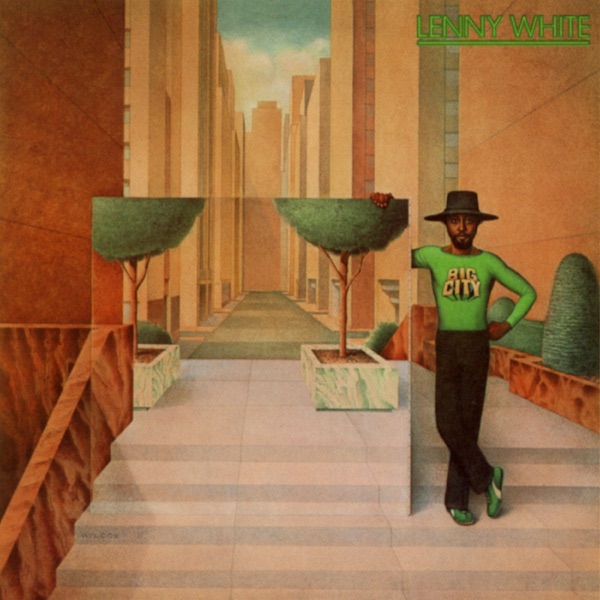
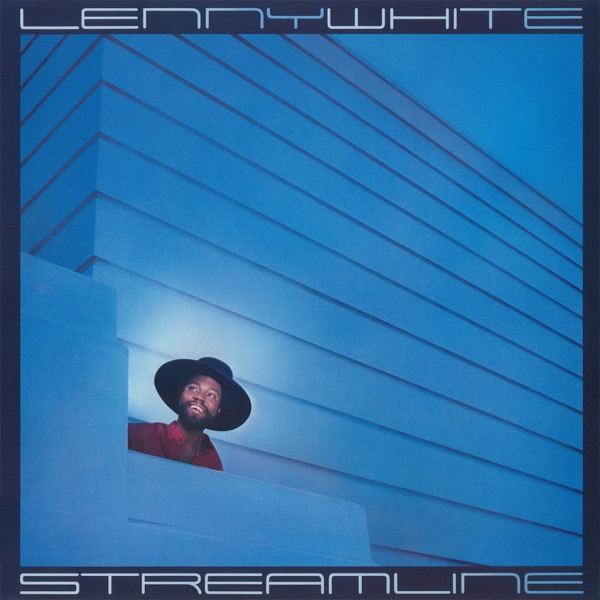
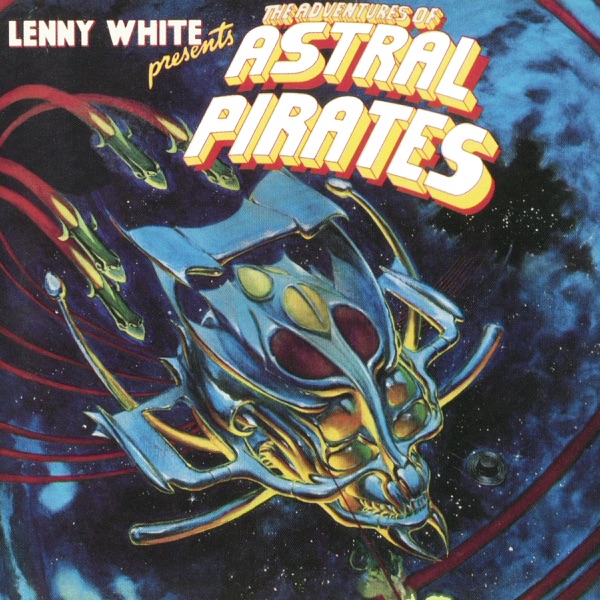
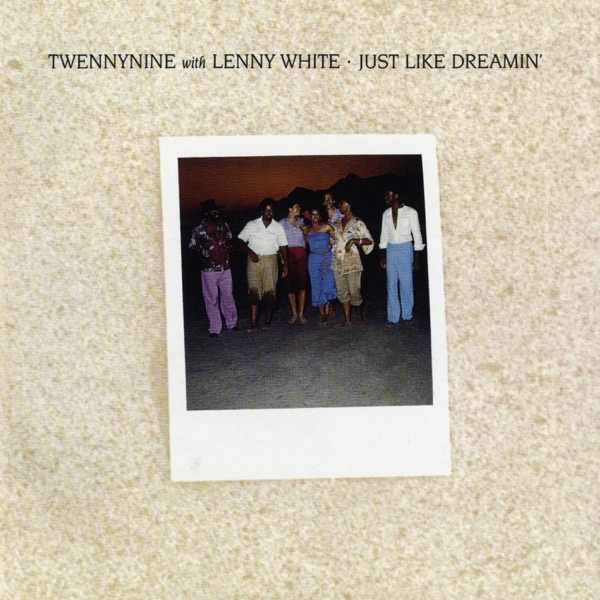
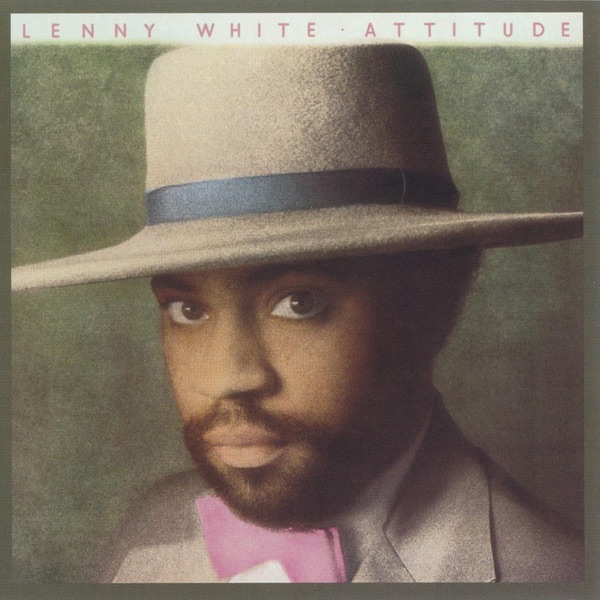
He also made solid records under his own name, which tend to get overshadowed by the band work. Venusian Summer (1975) is worth hearing if you want to know what White sounds like when he's the one calling the shots — still fusion, but with more space in it, more room for melody. It's not as famous as the Return to Forever catalog, and it probably shouldn't be, but it tells you something about his range that the sideman gigs don't always show.
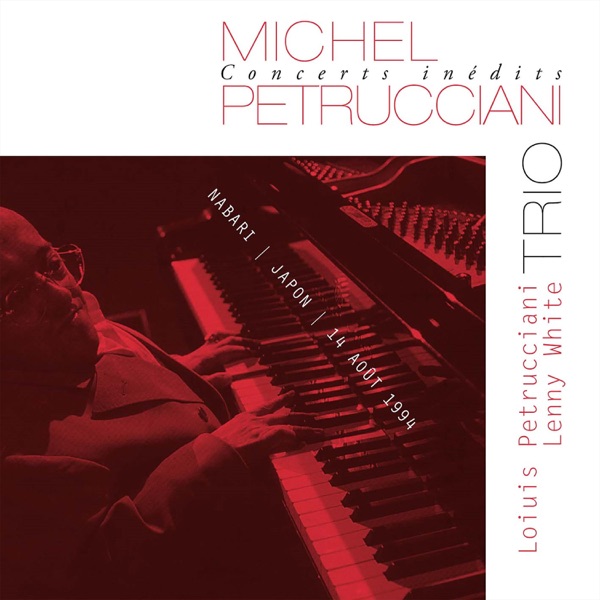
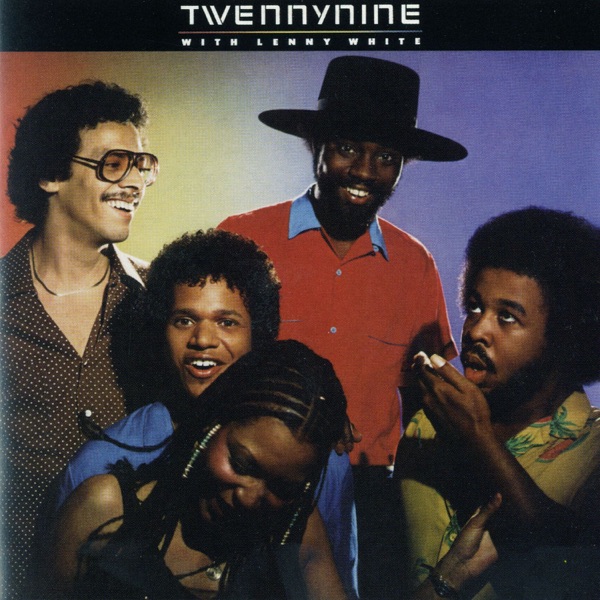
White kept working steadily for decades after the fusion boom faded, doing session work, producing, playing with whoever needed a drummer who could read a chart and still make it feel alive. He's not a drummer people talk about with the same reverence as Tony Williams or Jack DeJohnette, and that's probably fair — his innovations were more about fitting a specific moment than reinventing the instrument. But if you want to understand what jazz-rock fusion actually sounded like when it was firing on all cylinders, not the watered-down version that came later, Lenny White's drumming is where you go.