The Bass Comes Forward
Clarke grew up classically trained on cello and double bass before the electric bass guitar became his calling card — and that classical grounding matters when you listen to him. He never quite approached the instrument the way most rock or soul bassists did. His technique is almost orchestral in its precision, and when he slaps and pops, it sounds aggressive but controlled, like someone who knows exactly how hard to hit something. He joined Return to Forever in the early 1970s alongside Chick Corea, and that band is where his reputation was built. The group went through several phases — from airy Latin-influenced acoustic jazz to full-throttle electric fusion — and Clarke was the anchor through all of it.
His solo debut and the albums that followed, particularly School Days (1976), made the argument that bass could carry an entire record without apology. The title track of that album opens with a bass riff so confident and physical it almost dares you to keep up. Clarke was playing fast, playing melodically, playing in registers bassists rarely bothered with, and doing it all in the service of songs that had hooks. That combination — serious chops pointed at accessible music — is what separated him from players who could do one or the other but not both.
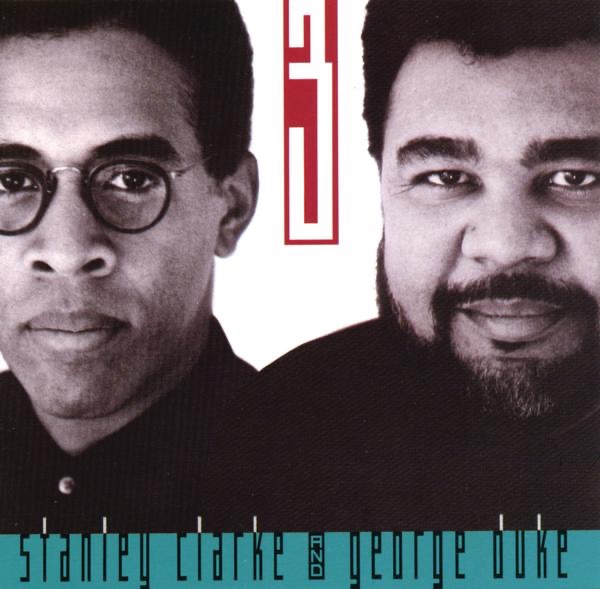
It's worth being honest about the breadth of his catalog, which ranges from pure jazz to funk to what can only be described as smooth jazz-adjacent pop-fusion. Not everything landed with equal force, and some of his commercial records from the 1980s are products of their time in ways that can be difficult to revisit. But that range also reflects a musician who was genuinely curious and never content to just repeat himself. He scored films, led acoustic trios, played duets with Herbie Hancock and Chick Corea, and kept returning to the upright bass even as electric work made him famous.
His influence on electric bass players is almost impossible to overstate without sounding like a press release, so consider this: virtually every bassist who picked up the instrument in the late 1970s and 1980s and wanted to play something other than straight blues or rock had to reckon with what Clarke had done. Players like Marcus Miller came after him and clearly absorbed his approach. The slap bass technique that became ubiquitous in funk and R&B during that era runs through Clarke's work as a central reference point.
If you're coming to Clarke fresh, start with School Days (1976) or go back to Return to Forever's Romantic Warrior (1976) to hear him in a band context. The acoustic side of his playing — his upright bass work — is genuinely beautiful and often overlooked by people who know him only from the electric records. He's a musician who rewards patience and specific listening: put on headphones, follow the bass line, and notice how rarely it's doing what you expect.