1988 · Album
If This Bass Could Only Talk
Recorded 1988 · Not specified in verified sources · Produced by Not specified in verified sources
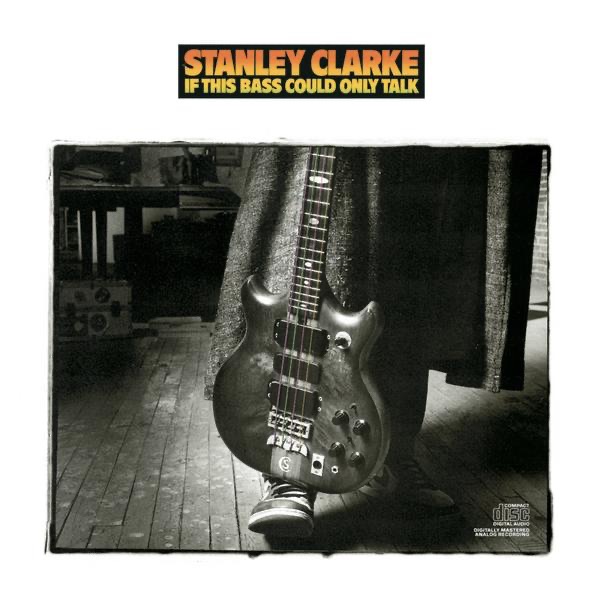
When the Bass Player Finally Gets to Speak
Clarke's bass doesn't just walk — it carries the whole conversation, and he's got plenty to say.
By 1988, Stanley Clarke had spent years as the foundation holding other people's music together. He'd built a reputation as one of the most capable bass players in jazz and fusion, someone you called when you needed the low end locked down tight. If This Bass Could Only Talk is Clarke stepping forward and asking: what happens when I'm the voice? The answer is a record that lets you hear what the bass actually does when nobody else is hogging the spotlight.
The record finds Clarke exploring different textures and moods without abandoning the precision that made him essential to begin with. His playing here has weight and clarity — you can hear every note articulate, every harmonic choice register. He moves between straightforward grooves and more adventurous passages, but even when the arrangement gets busy, the bass remains the anchor. Clarke doesn't play like someone trying to prove he can carry a solo record; he plays like someone who understands his instrument's role and wants to expand it without losing what made it work in the first place.
This sits somewhere between Clarke's earlier work and where his career was headed. It's not his most celebrated album, and it's not the place to start if you're new to his music — begin with his early fusion records instead. But for listeners already familiar with Clarke, this one rewards attention because it strips away some of the production excess and lets you focus on what a bassist can actually do when given the room to do it. The record is solid and purposeful, the work of someone still learning what his instrument could say when given the chance to speak.
Who's playing
Stanley Clarkebass
James Earlbass
Allan Holdsworthguitar
Wayne Shortersoprano saxophone
Freddie Hubbardtrumpet
Ed Arkinsynthesizer
Byron Millersynthesizer
Steve Huntsynthesizer
Gerry Browndrums
John “JR” Robinsondrums
Stewart Copelanddrums
Leon Ndugu Chanclerdrums
Paulinho da Costapercussion
Vance Taylorpercussion
Gregory Hinestap dance
Where next?
More by Stanley Clarke
All 29 albums →


The musicians on this record

Joy Ryder 1988
Wayne Shorter
plays soprano saxophone here
plays soprano saxophone here

Red Clay 1970
Freddie Hubbard
plays trumpet here
plays trumpet here