
Red Clay: Hubbard Steps Into a New Sound
Red Clay is the album where Freddie Hubbard stopped chasing bebop perfection and started chasing something bigger.
By 1970, Freddie Hubbard had already proven himself as one of the most technically gifted trumpet players in jazz. He'd recorded for Blue Note, played with the best, and could burn through a hard bop session with anyone. Then he signed with Creed Taylor's CTI label and made Red Clay (1970), and things shifted. Not toward selling out exactly, but toward a warmer, funkier, more accessible sound — one that would define the next stretch of his career. The title track alone tells you where this is going: a slow, rolling groove with Herbie Hancock on electric piano and Ron Carter holding down a bass line that feels more like a heartbeat than a walking line. It's patient music. Hubbard doesn't rush it.
The album entered Billboard's Top 20 Best Selling Jazz LPs in June 1970, which, depending on your perspective, is either a sign that he found a wider audience or a warning of compromises to come. Honestly, on Red Clay, it doesn't feel like compromise. The soul-jazz lean suits him. Tracks like "Delphia" and "The Intrepid Fox" give the band room to stretch without losing the groove, and Hubbard's tone here is full and confident — he's not showing off, he's playing for the song.
This isn't Hubbard at his most adventurous, and fans of his earlier Blue Note work might find it a little too smooth around the edges. But if you want to understand how jazz started talking to a broader audience in the early 70s without completely abandoning its roots, Red Clay is a good place to start. More than fifty years later, Red Clay still sounds like the moment Freddie Hubbard proved that accessibility and artistic integrity didn't have to be opposites. It grooves without pandering, stretches without showing off, and remains one of the defining jazz records of the early 1970s.
Who's playing
Ron Carterdouble bass
Bob Bushnellbass
Herbie Hancockpiano
Joe Hendersonsaxophone
Freddie Hubbardtrumpet
Lenny Whitedrums
Ed Shaughnessypercussion
Where next?
More by Freddie Hubbard
All 13 albums →


The musicians on this record
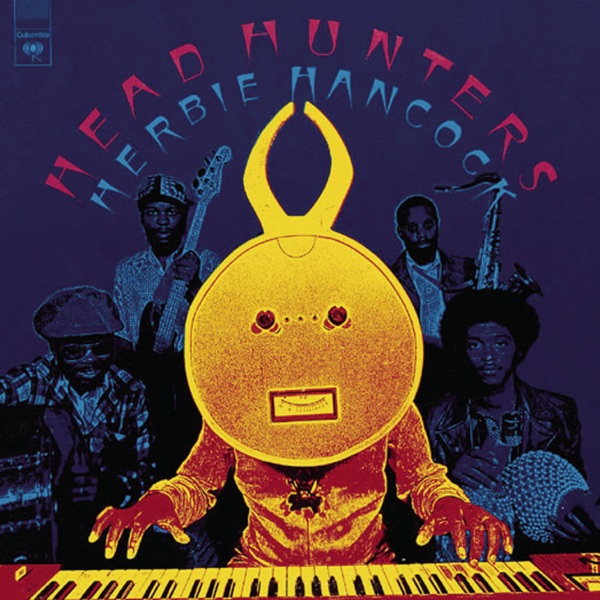
Head Hunters 1973
Herbie Hancock
plays piano here
plays piano here

Power To The People 1969
Joe Henderson
plays saxophone here
plays saxophone here

Uptown Conversation 1969
Ron Carter
plays double bass here
plays double bass here

Venusian Summer 1975
Lenny White
plays drums (drum set) here
plays drums (drum set) here


