
Lee Morgan's Delayed Corner: Cornbread Arrives
A solid mid-career session that waited nearly two years to see light, anchored by Morgan's direct trumpet and Hancock's restless piano.
Recorded in September 1965 but not released until early 1967, Cornbread occupies an interesting place in Lee Morgan’s catalog. It is not the explosive breakthrough of The Sidewinder or the ambitious statement of Search for the New Land, but it captures a great trumpeter at a fascinating point in his career — confident, mature, and surrounded by musicians who were pushing hard bop toward new territory.
Morgan does what he did best: he plays with clarity, power, and an unmistakable sense of melody. His trumpet sound is warm and muscular, never needing to force its way forward. He was not chasing trends here; he was refining a language he already owned.
The band alone makes this session worth hearing. Herbie Hancock brings a restless energy to the piano, constantly searching for new ways to shape the harmony and rhythm. Jackie McLean and Hank Mobley provide contrasting saxophone voices — McLean sharp and angular, Mobley smooth and lyrical — while Billy Higgins and Larry Ridley keep everything moving with relaxed precision.
The title track, “Cornbread,” is the centerpiece: a funky, memorable hard bop tune built around a groove that shows Morgan’s ability to make simplicity feel effortless. Elsewhere, the album explores familiar territory, but the musicianship keeps the material alive. This is a band that understands the language so well that even a straightforward blues or standard becomes a conversation.
The limitation of Cornbread is also what makes it interesting. It does not have the dramatic ambition of Morgan’s greatest albums. There is no single moment where everything changes. Instead, it is a document of a master musician in motion — caught between the classic hard bop sound of the early 1960s and the more open, exploratory direction jazz was heading toward.
For newcomers to Lee Morgan, there are better starting points. But for listeners already drawn to his trumpet, Cornbread is a rewarding glimpse of one of jazz’s great voices during a period of transition.
Who's playing
Larry Ridleydouble bass
Herbie Hancockpiano
Jackie McLeanalto saxophone
Hank Mobleytenor saxophone
Lee Morgantrumpet
Billy Higginsdrums
Where next?
More by Lee Morgan
All 12 albums →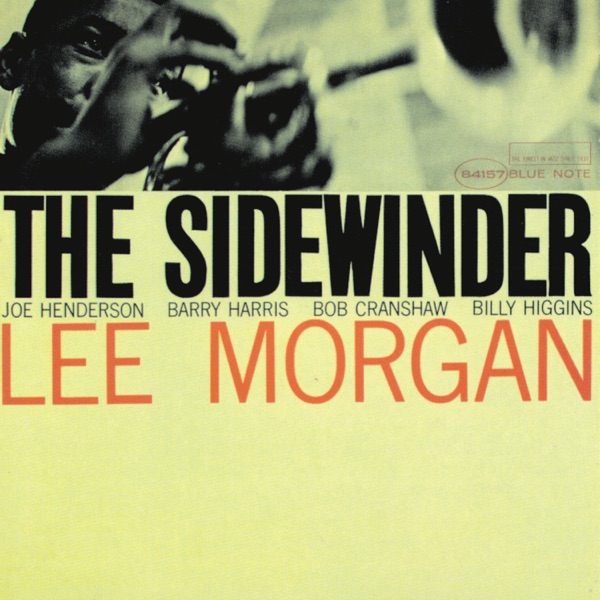


The musicians on this record
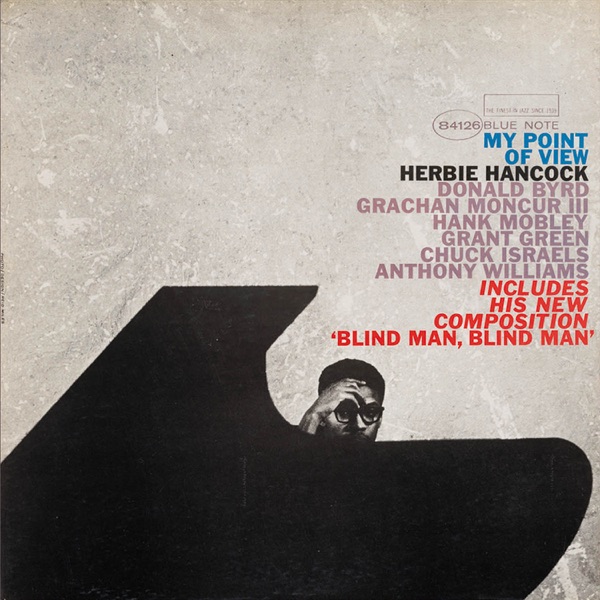
My Point of View 1963
Herbie Hancock
plays piano here
plays piano here

No Room for Squares 1963
Hank Mobley
plays tenor saxophone here
plays tenor saxophone here

Let Freedom Ring 1963
Jackie McLean
plays alto saxophone here
plays alto saxophone here
♫
The Oracle 1989
Billy Higgins
plays drums (drum set) here
plays drums (drum set) here


