The Drummer Who Kept Smiling
Higgins grew up in Los Angeles and came up through the local scene there before anyone outside the West Coast had much reason to know his name. That changed fast. He was barely in his twenties when he ended up on Something Else!!!! (1958), Ornette Coleman's debut, and then The Shape of Jazz to Come (1959) — two records that genuinely did shake things up in terms of how people thought about rhythm and harmony. What's interesting about Higgins on those albums is how relaxed he sounds. While everyone around him was busy being revolutionary, he was just swinging.
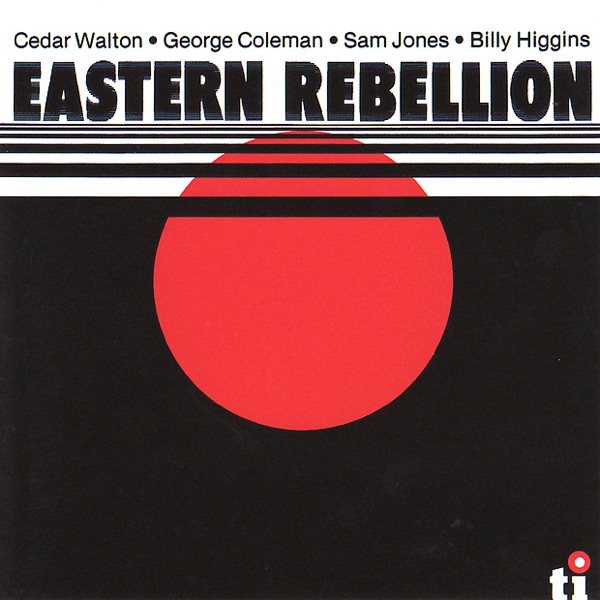
That's the thing about Higgins — he was equally at home in free contexts and straight-ahead hard bop, and he didn't make a big deal about it either way. He spent a huge chunk of his career playing with Cedar Walton, and those records together are some of the most satisfying, unflashy hard bop you'll find anywhere. Check out Eastern Rebellion (1975) if you want to hear what a rhythm section that's completely locked in actually sounds like. Higgins on that date is warm, precise, and never overbearing — he plays for the song, not for himself.
His sound was distinctive even on a first listen. The cymbals were light and almost airy, the bass drum subtle, and he had a way of making complicated rhythmic ideas feel completely natural. Other drummers of his era could sound like they were working hard. Higgins sounded like he was having a conversation. He also recorded constantly — the discography is enormous, spanning sessions with Thelonious Monk, Lee Morgan, Dexter Gordon, Hank Mobley, and seemingly everyone else who passed through Blue Note Records in the 1960s.
He also had a genuine connection to the community around music, spending years involved with the World Stage performance space in the Leimert Park neighborhood of Los Angeles, helping younger musicians and keeping a local scene alive. That side of him doesn't always get mentioned when people talk about the records, but it was real and it mattered to people who were there.
Higgins dealt with serious health problems in his later years, including a liver transplant, but kept playing when he could. He died in 2001 in Los Angeles. The sheer number of essential records he appears on is almost hard to process — if you spent a year listening to nothing but sessions with Billy Higgins on drums, you'd be listening to some of the best jazz ever recorded, and you still wouldn't be done.