1986 · Album
Bridgework
Recorded 1980 and 1986 · Contemporary · Produced by Not specified in source material
Drums Holding the Center Six Years Apart
Bridgework catches Higgins in two different eras, proving his pocket never wavered.
What you hear first is the drums — not flashy, not leading, but absolutely solid underneath everything. Higgins keeps time the way a good drummer should: you feel it more than you notice it. The sessions here span six years, recorded in 1980 and 1986, and what's striking is how consistent his approach remains. There's no ego in the playing, just deep pocket and the kind of listening that makes other musicians relax into the groove.
This is a mid-career record for Higgins, neither a breakthrough nor a swan song. By this point he'd already logged years with major artists and knew exactly what his role was in a ensemble — to lock things in place so the soloists could breathe. Bridgework isn't trying to redefine anything. It's solid, professional work from a drummer who understood that the best rhythm section playing disappears into the song. The Contemporary label gave him space to lead dates, and he used that space wisely, surrounding himself with players who knew how to listen as well as play.
For listeners, this sits somewhere between essential and specialized. If you want to hear Higgins as a bandleader, this is a legitimate entry point, though it's not his flashiest work. What matters here is the consistency across those six years of sessions — the proof that his drumming was built on something stable and durable, not trends or flourishes.
Who's playing
Buster Williamsdouble bass
Tony Dumasdouble bass
Cedar Waltonpiano
Harold Landtenor saxophone
James Claytenor saxophone
Billy Higginsdrums
Where next?


The musicians on this record

This Is for You John 1987
Cedar Walton
plays piano here
plays piano here
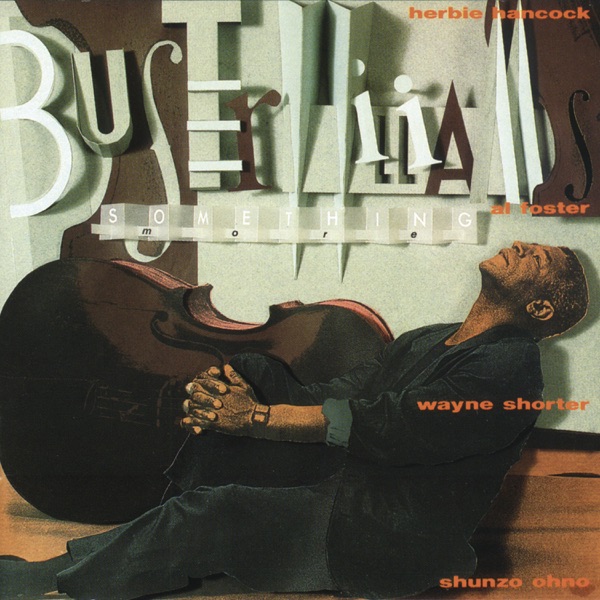
Something More 1989
Buster Williams
plays double bass here
plays double bass here