1989 · Album
Something More
Muse Records · Note: Complete recording details unavailable from provided sources

Buster Williams Finds His Voice as Leader
Williams steps forward as a bandleader, proving the bassist's ear for composition and arrangement.
By the time Buster Williams made Something More, he had already spent years as the dependable foundation in other people's bands. You heard him anchoring Herbie Hancock's early-seventies groups, you heard him with Larry Coryell, you heard him holding down the low end for singers like Nancy Wilson. He knew how to listen, how to respond, how to make the music around him sound better. This album is his chance to lead, and it matters because it shows what he'd been thinking about all that time.
What strikes you first is how direct it all is. Williams isn't trying to prove anything flashy or complicated. The bass lines are strong and singing, the compositions have real shape to them, and there's room for everyone to breathe. He's writing for a working band—players who understand each other, who can lock in tight or pull back and give space when the moment asks for it. The arrangements are clean without being spare. There's real color here, real attention to how the instruments fit together. This isn't a showcase for the leader; it's a showcase for the music.
Something More sits in an interesting place in Williams's story. It's not his debut—he'd already established himself as one of the most reliable and tasteful bassists working in jazz. This is him saying he had more to give than just timekeeping and support, that he could think about form and melody and how to shape a whole session. For listeners who only know him from his work with Hancock or from backing vocal dates, this album opens up a different side of his musicianship. It's solid, unpretentious work—the kind of record that stays with you not because it's trying to astonish you, but because it trusts what it's doing.
Who's playing
Buster Williamsdouble bass
Herbie Hancockpiano
Wayne Shortersoprano saxophone
大野俊三trumpet
Al Fosterdrums
Where next?
More by Buster Williams

On the Wings of an Eagle 2006

Hancock Island: The Music of Herbie Hancock 2008
♫
Acoustic Masters I 1994

Music for Violin & Jazz Quartet 1981
The musicians on this record
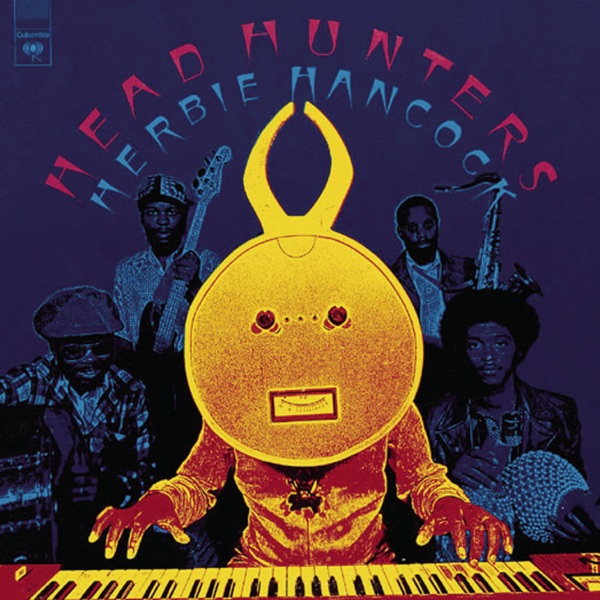
Head Hunters 1973
Herbie Hancock
plays piano here
plays piano here

Joy Ryder 1988
Wayne Shorter
plays soprano saxophone here
plays soprano saxophone here


