The Ballad of a Late Bloomer
Dexter Gordon showed up in New York when bebop was at its peak, and he figured out right away that a saxophone could do what a human voice does. Charlie Parker had shown everyone how fast and clean you could play, but Gordon went in a different direction—he had this thick, warm tone with lots of vibrato, and he knew how to make you feel something. You'd hear him play a funny phrase one moment and then break your heart the next. He learned from Coleman Hawkins and Lester Young, but he didn't just copy them. He took what he liked from each and made it his own thing, so that when he played, it sounded like he was telling you something true.
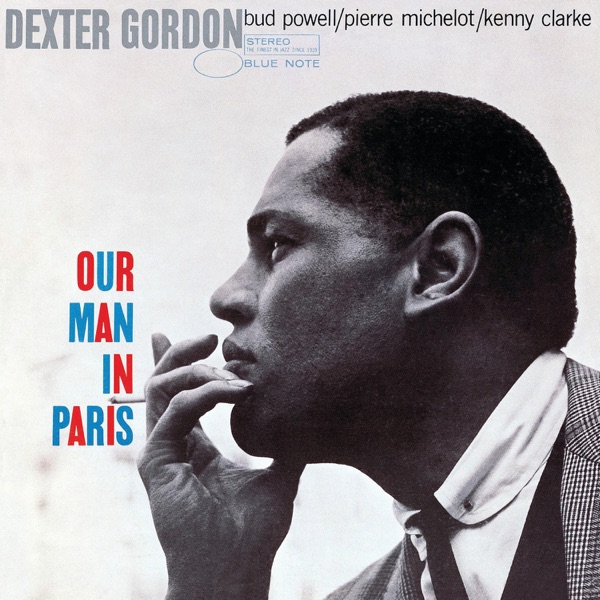
By the early 1960s, Gordon was making some of his finest recordings for Blue Note. Albums like Doin' Allright (1961), Go! and Our Man in Paris (1963) captured a musician who had moved beyond simply proving his bebop credentials. He knew how to shape a session, choose the right musicians, and let a song unfold at its own pace. But his life was getting harder because of heroin, and it kept getting in the way of his career. He spent years away from the United States, and that time away could have ended things for him. Instead of hiding this struggle, though, he let it come through in his playing—especially on ballads, which became almost impossibly tender.
When Gordon moved to Copenhagen from 1962 to 1976, you might have thought that was it for him. But he kept recording over there, a lot, and he figured out how to play in a smarter way. He stopped trying to impress people with how fast his fingers could move. Instead, he left space in his solos, told stories with his notes. When he finally came back to New York, the whole jazz world treated him like a hero.
In his last ten years, things actually got easier for him. More people knew his name, and in 1986, a movie called Round Midnight came out where he played himself. That film brought his music to people who'd never listened to jazz. But what really mattered was those long solos where he'd hold one note and you'd understand something about what it means to be alive. Gordon showed you that it doesn't matter how late you start getting things right.