1994 · Album
Live At The Amsterdam Paradiso
Recorded Live at the Paradiso, Amsterdam · Unknown · Produced by Unknown
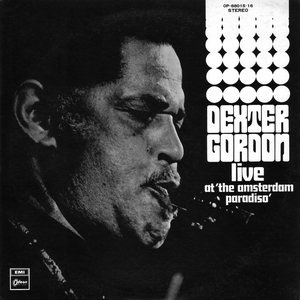
Dexter's Dutch Interlude: A Night in Amsterdam
Gordon cuts loose in front of a responsive crowd, playing with the kind of freedom that only live performance can unlock.
By the time Dexter Gordon hit the Amsterdam Paradiso, he was already a master of his instrument, but this live set captures him in a particularly generous mood. The tenor saxophone sounds warm and deliberate here, with Gordon taking his time to develop ideas rather than rushing through them. You get the sense he's playing for an audience that knows what he's doing, which changes everything about how a musician approaches a solo. There's space in these performances, room to breathe, and Gordon uses that breathing room to build momentum in ways that feel earned rather than forced.
What makes this recording matter is that it documents Gordon during a period when he was still actively exploring what the tenor saxophone could do. He plays with authority but not arrogance, and there's genuine curiosity in how he approaches each tune. The Paradiso crowd seems engaged and respectful, which probably accounts for why Gordon settles in rather than shows off. These aren't his most famous recordings, and that's actually worth knowing going in. This isn't the place to start with Gordon—you're better off with his earlier studio work to understand his full range. But if you already know why Dexter Gordon matters, this live session offers something the studio records don't: a window into how he carried himself in front of people, how he listened and responded, how a great musician thinks on his feet.
The recording quality is decent enough that you can hear what's happening in the rhythm section, and Gordon's tone comes through clearly. It's a solid document of a working jazz musician at his craft, not a revolutionary moment, but honest and well-played.