2001 · Album
Birds of a Feather: A Tribute to Charlie Parker
Dreyfus Jazz · Produced by Not specified in verified sources · Released: 2001
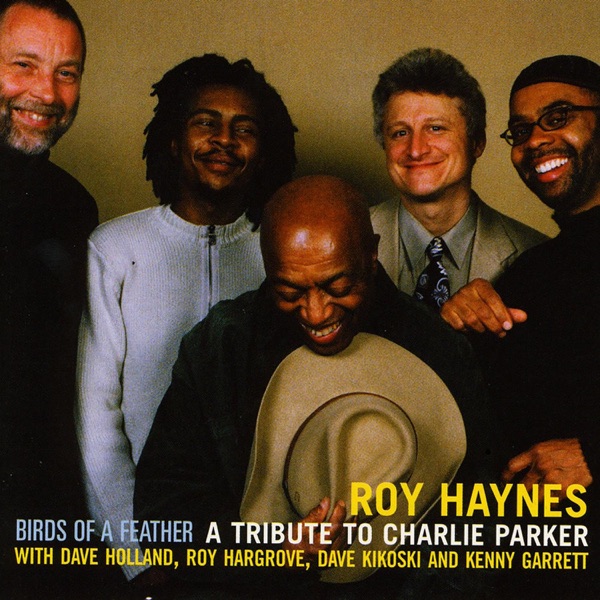
Roy Haynes Honors Parker with Hard Bop Conviction
Haynes assembled musicians who play hard-driving, take-no-prisoners jazz on familiar material.
Roy Haynes recorded Birds of a Feather in 2001, nearly fifty years into a career that had already touched nearly every important figure in modern jazz. This album came out when Haynes was in his seventies, a time when many musicians either retire or repeat themselves. Instead, he chose to wade directly into one of jazz's most sacred waters: the music of Charlie Parker. It's not a record about nostalgia or tribute in the polite sense. Haynes and his players treat Parker's material as hard bop, which means they play it with punch, directness, and zero sentimentality. Harvey Siders, writing for JazzTimes, noted that Haynes demonstrates complete control over a combo that thrives on no-nonsense hard bop, with all the musicians matching their leader's uncompromising approach. The record received Grammy recognition in the Best Jazz Instrumental Album category, which says something about how seriously the jazz establishment took this project at the time.
What makes this album matter is that it's not Haynes trying to prove he can still play—he'd proven that decades before. Instead, it's him saying something specific about how Parker's music should sound in the hands of players who respect it enough not to genuflect. AllMusic reviewer David R. Adler called it a casual blowing date, albeit an illustrious and sometimes surprising one, which captures the record's vibe well. There's no academic pretense here, no theme-and-variations structure. It's musicians who know the material inside out, playing together without overthinking it. PopMatters observed that the album shows there is still a need for a fresh perspective on familiar territory, and that observation cuts to the heart of what Haynes achieved.
For listeners, this sits as a late-career project that actually justifies its own existence. It's not essential Haynes, but it's solid hard bop played by people who understand exactly what they're doing. Come to it after you've heard some of Haynes' earlier work as a leader and sideman, but don't overlook it thinking it's just another tribute record.
Who's playing
Dave Hollanddouble bass
David Kikoskipiano
Kenny Garrettalto saxophone
Roy Hargrovetrumpet
Roy Haynesdrums
Where next?
More by Roy Haynes
All 31 albums →


The musicians on this record

Moment To Moment 2000
Roy Hargrove
plays trumpet here
plays trumpet here

Prime Directive 1999
Dave Holland
plays double bass here
plays double bass here