Three Voices Converging in One Room
Jordan, Blake, and Priester meet as equals, each bringing a lifetime of different roads to the same moment.
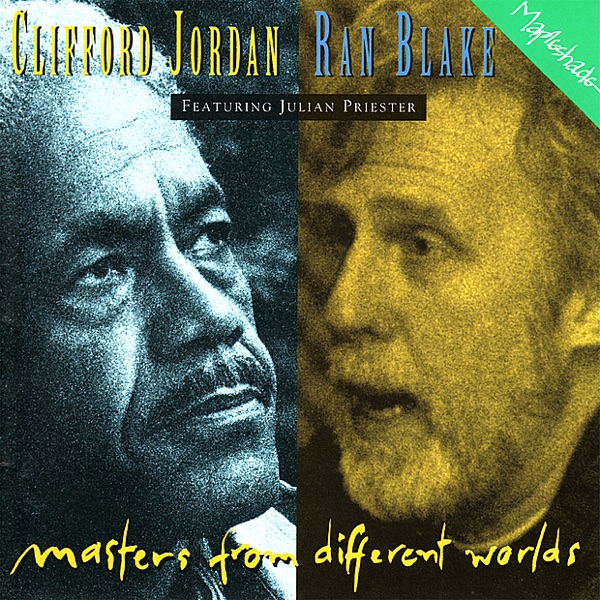
This album emerged from a single session in 1989, a rare alignment of three heavyweight improvisers with little prior history together. Clifford Jordan on saxophone, Ran Blake on piano, and Julian Priester on trombone sat down to play without arrangement or script, and what Mapleshade captured was the sound of musicians listening hard to each other. The session also included Clayton Englar, Jesse Meman, Ken Plant, and Monroe Thomas on various saxophones, Steve Williams on drums, and Alfredo Mojica on congas—a large enough group that the date could have felt crowded, but instead it feels like a conversation with many speakers who know when to step back.
Jordan brings a robust, centered tone that sits comfortably in the middle of the range, conversational rather than flashy. Blake responds with sparse, angular chord voicings that create air in the mix; he's not filling space but shaping it. Priester's trombone, warm and direct, acts as a third equal voice rather than accompaniment. The horns sometimes trade, sometimes play together, sometimes simply listen while others speak. There's no rush, no sense of proving anything. Tracks like the opening statement establish that mood immediately—patient, deliberate, exploratory.
This is a late-career meeting, each player drawing on decades of work in different worlds: Jordan's hard bop foundations, Blake's classical and avant-garde background, Priester's experience in both straight-ahead and experimental settings. They don't attempt to blur those differences or find common ground by splitting the difference. Instead, they honor their separate paths by bringing the full weight of their own voices to the room. The Penguin Guide to Jazz Recordings gave it 3.5 stars, and that's fair—it's a solid, intelligent session that rewards close listening without reaching for transcendence.
Who's playing
Ran Blakepiano
Clifford Jordansaxophone
Clayton Englarbaritone saxophone
Jesse Memanalto saxophone
Ken Planttenor saxophone
Monroe Thomastenor saxophone
Julian Priestertrombone
Steve Williamsdrums
Alfredo Mojicacongas
Where next?
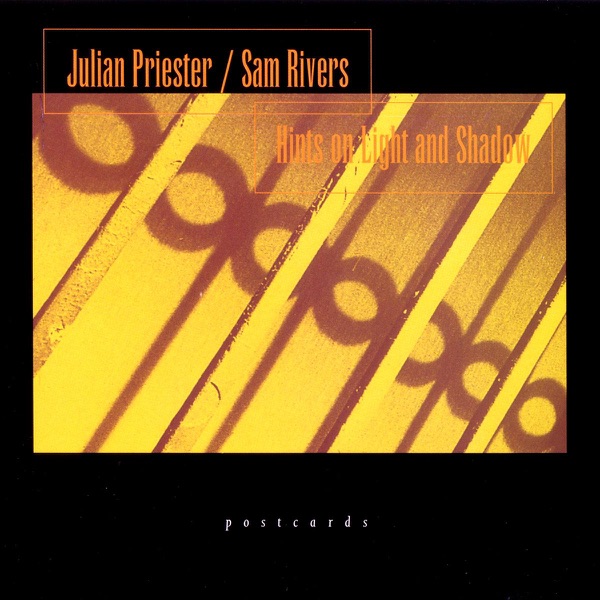
More by Julian Priester
All 11 albums →