1979 · Album
Clubhouse
Recorded 1959 · Argo Records · Produced by Argo Records production

Dexter in His Element: The Clubhouse Sessions
Dexter Gordon sounds completely at home here, blowing with the kind of ease that comes from knowing exactly who you are.
Clubhouse captures Dexter Gordon at a moment when he'd figured out his voice and wasn't looking back. This isn't a debut or a reinvention—it's a player in his prime, relaxed and swinging hard with a group that knows what it's doing. The album has this informal feel, like you're actually sitting in a room watching these guys work. There's no straining for effect, no trying to prove anything. Dexter plays tenor sax with that big, woody tone of his, phrasing in these long, confident lines that feel conversational even when they're technically complex.
What makes this one distinct is the rhythm section—solid and present without getting fancy. The tunes themselves aren't standard vehicles for showing off; they're mostly the kind of thing you play because they swing and they give everyone room to breathe. Dexter sounds genuinely interested in what's happening around him, responding to the piano and bass rather than just using them as a springboard. There's a generosity to the playing here that you don't always hear. The band swings in that relaxed, propulsive way that tells you these musicians trust each other completely.
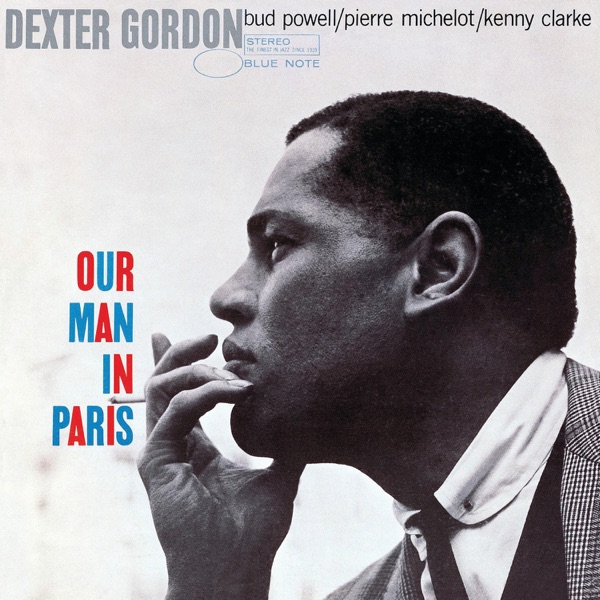
In Dexter's catalogue, this sits somewhere in the middle of his productive early years—not the album everyone cites first, but the kind of record that reveals what made him such a lasting figure. If you're new to him, Our Man in Paris (1963) or Go! (1962) might hook you faster with their energy and heat. But Clubhouse is for when you want to hear him just playing, enjoying the music without any agenda beyond getting the thing swinging. It's the sound of a saxophonist doing what he does best, exactly as well as it needs to be done.
Who's playing
Bob Cranshawbass
Ben Tuckerbass
Barry Harrispiano
Dexter Gordontenor saxophone
Freddie Hubbardtrumpet
Billy Higginsdrums
Where next?
More by Dexter Gordon
All 11 albums →


The musicians on this record

Red Clay 1970
Freddie Hubbard
plays trumpet here
plays trumpet here

Tokyo: 1976 1976
Barry Harris
plays piano here
plays piano here

Once More 1980
Billy Higgins
plays drums (drum set) here
plays drums (drum set) here