The Saxophone's Perpetual Reinvention
Sonny Rollins came up out of Harlem in the late 1940s with a tone that just cut through everything—bronze-colored, direct, no frills. He could make you laugh or break your heart in the same solo. What made him different from other guys playing tenor at the time was that he thought like a composer. He'd learn a tune completely, understand how it worked, and then take it apart piece by piece to see what was really there.
When you listen to those early sessions with Miles Davis and Thelonious Monk, you hear someone who's already thinking in long phrases and unexpected harmonic moves. He got the fundamentals down so well that he actually knew what he was breaking.
By the mid-1950s, albums like Saxophone Colossus (1956) made clear what Rollins was about. That version of "St. Thomas"? That showed everyone he could do everything with almost nothing—just a simple groove, but he could find new ideas in it all day long. He did this years before modal jazz became the thing. But here's what people sometimes miss: he wasn't just technically impressive. His playing swung like he was having a conversation with you, telling stories instead of showing off. Those famous moments where he'd stop in the middle of a solo and breathe instead of filling every space—that became part of how he played, and it made him sound more human.
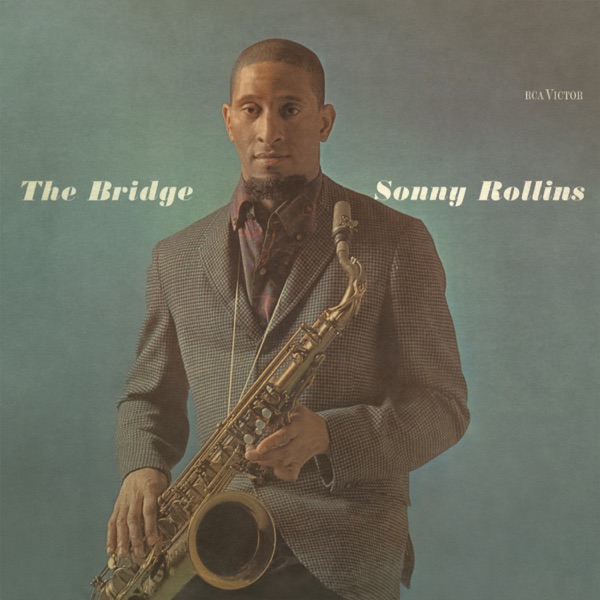
Then he stepped away for two years, 1959 to 1961, and practiced alone on the Brooklyn Bridge. People still talk about that. When he came back, something had shifted in his playing—it sounded more serious, more philosophical. His later records got into free jazz, incorporated world music, stripped things down to the essentials.
What was striking about Rollins was that he never stopped. He played and recorded well into his eighties, bringing that same intelligence and openness to whatever he was doing. He died on May 25, 2026, at 95 � the kind of musician who stayed curious his whole life, always listening, always thinking the next solo could have something nobody had heard before.