The Unfinished Brilliance of Brownie
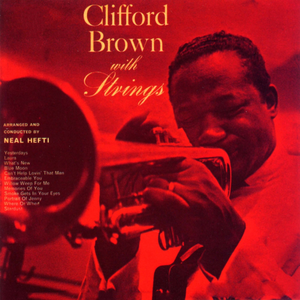
Clifford Brown showed up in the early 1950s and basically changed what a trumpet could do. Dizzy Gillespie had already torn up the rule book with his weird angles and crazy harmonies, but Brown took all that and turned it into something you could actually hear clearly. His tone was warm but never wimpy, strong but never mean—the guy made his trumpet sound like it was singing. When he first recorded with Art Blakey's group in 1954, you knew right away you were listening to someone really special.
What made Brown different was that he didn't just show off his chops. Sure, he could play fast and complicated stuff, but he always made sure the melody made sense and the harmony worked out. His solos felt like someone was telling you something—each phrase naturally led into the next one. Whether he was playing with Max Roach's tight rhythm section, or stretching out in his own groups, Brown sounded mature and thoughtful. Pretty wild for a kid who was barely old enough to drink.
The group he ran with Max Roach from 1954 to 1956 became one of the best jazz bands ever made. They were basically working out what hard bop should sound like and making it better each time. Listen to "Joy Spring" or "Daahoud"—Brown could write a melody that actually stuck with you, and then he'd have plenty of room to really explore and say something new. His ballad playing got to you too. He could be vulnerable without sounding weak, dignified without being stiff.
Clifford Brown died in a car crash on the Pennsylvania Turnpike, and he was only getting started. In five years he recorded more sessions than most guys do in a lifetime and changed how dozens of musicians approached the trumpet. What's left is a bunch of really well-made records that still sound better than almost anything else. Every trumpet player since then has had to figure out how to live up to what he did.