The Drummer as Spiritual Leader
Art Blakey's drumming did something most drummers didn't even try to do. He didn't just keep time—he made conversations happen. His playing was strong and smart, the kind of thing that pushed a whole band forward like a train, but he'd also slip in these complex rhythms he'd picked up from African and Cuban music. The thing is, he wasn't showing off. He was listening to the guy soloing in front of him and answering back, like they were actually talking to each other. It felt less like he was accompanying anyone and more like he was this constant, pushing voice right there with them.
The Jazz Messengers started in 1954, and that band became everything to Blakey. But here's what made it different—it wasn't the same five guys year after year. Young musicians would come through, spend time learning, then move on. Wayne Shorter, Lee Morgan, Hank Mobley, Freddie Hubbard, Wynton Marsalis—all of them played in that group. Blakey had this gift for spotting real talent in people before they'd even figured it out themselves. He knew how to set the tempo, create the right energy, get the rhythm section locked in so that young player could suddenly show you what they were capable of. His bandstand was basically a school, and everything you needed to learn came through his drums.
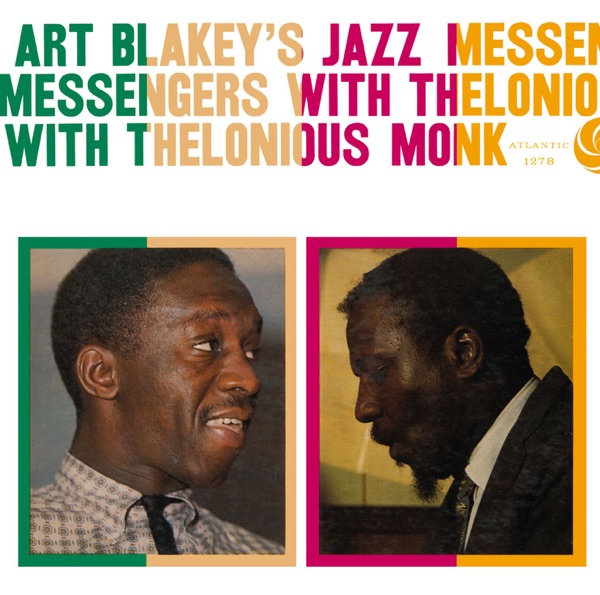
In the 1940s, Blakey became a Muslim, and it mattered. His music got deeper after that, like it was asking real questions. When you hear albums like Moanin' (1958) or Art Blakey's Jazz Messengers, you're hearing what hard bop should sound like—tight, swinging, soulful, no shortcuts. He never went after the money or watered down his sound to appeal to more people. He just played his way, and musicians who came after him respected that kind of commitment.
What made him impossible to replace was that he had both the chops and the heart. He could play hard and complicated, all those polyrhythmic breaks that sounded like they came from somewhere ancient, but he was always thinking about the music first, not about himself. You listen to his records now and they still feel alive because they capture what it's really like when musicians are improvising together in a room—the way one great drummer can hold everything together, push everyone forward, and somehow be the leader without ever saying a word. For fifty years, he showed that a drummer could be way more than just the guy counting beats.