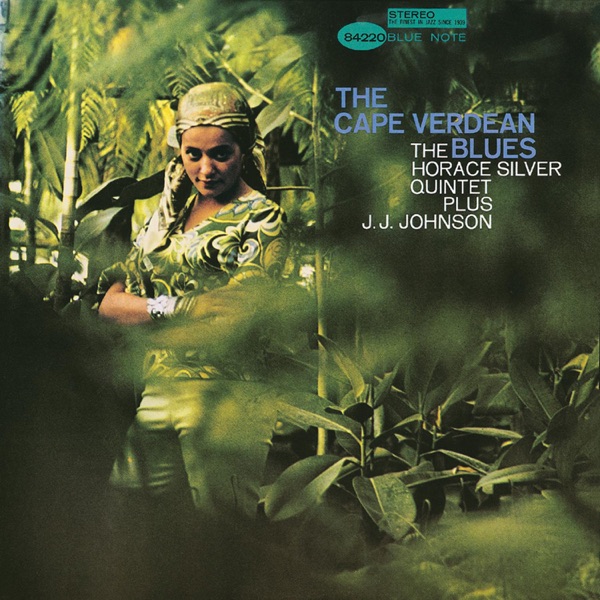
The Preacher's Gospel in Jazz
Horace Silver came out of Connecticut in the late 1940s with something the jazz world really needed: a pianist who understood the blues as something alive and real, not something to dust off and put on display. When he started playing with Art Blakey's Jazz Messengers, people took notice immediately. Here was a guy who could swing hard as anyone, but he kept the sound of Black churches running through everything he played. Songs like "The Preacher" and "Sister Sadie" caught on fast because they were simple enough to remember but smart enough to keep your interest. You got a hook in your head, but there was real harmonic stuff happening underneath.
By the mid-1950s, Silver had his own quintet, and that group became where he really tested out his ideas. The band went through different players—trumpeters like Blue Mitchell and Art Farmer, tenor players including Junior Cook and Joe Henderson—but whoever was in there seemed to know exactly what Silver wanted. What made his group different from a lot of other hard bop bands was how much Silver cared about the actual songs. These weren't just excuses to take solos; they were real pieces where every instrument had something specific to do.
His Blue Note Records output is just solid, track after track. "Opus de Funk" swings without being slick about it. "Song for My People" actually meant something socially. Silver played with real economy—he'd learned from bebop but added in stride piano touches and gospel feeling, and he knew when not to fill every space. His accompaniment behind the soloists was always listening, always responsive, and a lot of pianists learned from watching how he did that.
As Silver got older, his music started reflecting his Bahá'í faith more openly, and the tunes began carrying more weight spiritually and socially. But he never made it sound like a sermon. The melodies and rhythms just had their own quiet way of mattering, which is maybe the real gift—making jazz that's both smart and direct, both informed and rooted in where it actually came from.