The Horn That Never Rushed
Art Farmer grew up in Council Bluffs, Iowa, alongside his twin brother Addison, who became his bassist and lifelong musical partner. The family eventually landed in Los Angeles, and Art came up in that late-1940s LA scene where bebop was filtering west and everybody was figuring out how to fit into it. He wasn't a fireball soloist like some of his peers — his thing was tone. Even as a young player, he had this soft, burnished sound that made people stop and pay attention even when he wasn't playing anything flashy.
By the mid-1950s he was working the New York hard bop circuit, doing time with Horace Silver's band and teaming up with alto player Gigi Gryce for a series of records that mixed hard bop grit with unusually careful writing. Farmer was the kind of sideman bandleaders loved — reliable, tasteful, never stepping on anyone, but always leaving a mark. He wasn't the guy who blew you away with chops. He was the guy whose phrasing you remembered days later.
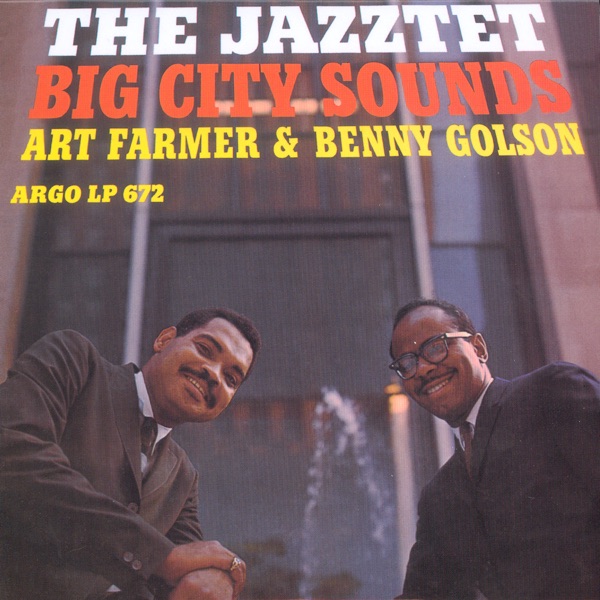
The project most people know him for is The Jazztet, the group he co-led with tenor player Benny Golson starting in 1959, with trombonist Curtis Fuller rounding out the front line. Golson wrote most of the charts, and they were smart, tightly constructed things, but Farmer's horn was the emotional center of the band — that dark, rounded sound cutting through arrangements that could have felt clinical in lesser hands. The Jazztet only lasted a few years, but it's a good entry point if you want to hear Farmer in a hard bop context without wading through his whole catalog.
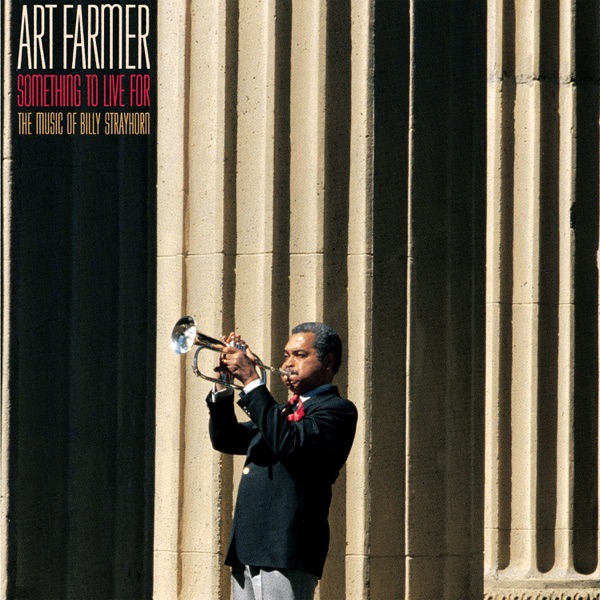
After the Jazztet broke up, Farmer basically switched over to flugelhorn full time and formed a quartet with guitarist Jim Hall — no piano, which forced a kind of open, conversational sound that suited him perfectly. To Sweden with Love (1964) is a good snapshot of that period: intimate, unhurried, almost chamber-music in feel. This is where you really hear what made Farmer distinctive. Without a piano filling in the harmony, his sense of space and pacing had nowhere to hide, and it turns out he didn't need anywhere to hide.
Later in his career he relocated to Vienna and spent years working with Austrian radio orchestras, splitting time between Europe and New York well into the 1990s. He never became a household name the way some of his contemporaries did, and honestly, that fits him — he wasn't after that. If you want a lesson in how much can be said with restraint, Art Farmer's records are a good place to start.