The Poet of Six Strings
Jim Hall arrived in jazz when guitar was finding new directions beyond bebop virtuosity. While everyone else was racing to play the fastest lines, Hall went the other direction—he decided to sound like he was having a conversation with you. He didn't need to dazzle. He played melodically, with real harmonic sense, and his tone was warm without being sappy. You could hear his formal musical training, but he loved jazz too much to play anything but the truth.
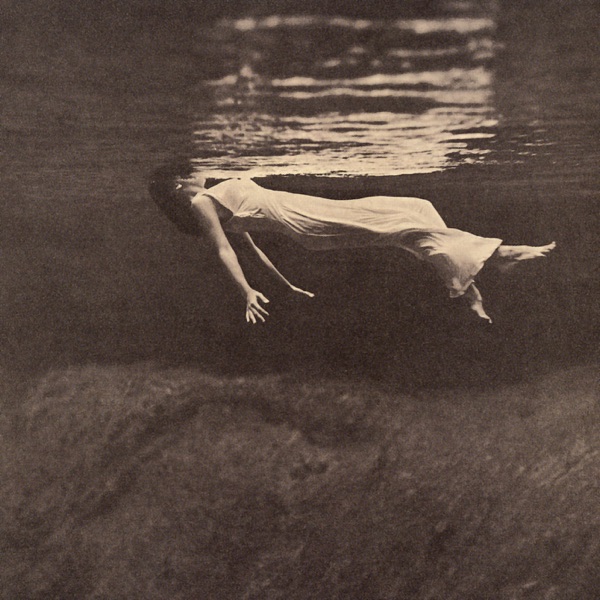
What made Hall special was that he actually wanted to listen to the people he played with. His work with Bill Evans—especially Undercurrent (1962)—is the kind of album you put on when you want to hear two musicians really talking to each other. And when he played with Sonny Rollins, a guy who doesn't suffer fools, Hall wasn't intimidated. He just held his own with intelligence and humor. Whether he was with Chico Hamilton or Art Farmer, the pattern was the same: pay attention, play something that matters, make the other person sound better.
He wrote tunes too—good ones. 'Careful' and 'Romaine' aren't just pretty melodies. They're built well, with harmonic ideas that stick with you. The more you listen to them, the more you hear.
Hall taught at the Manhattan School for years, and he took that seriously. He wasn't interested in impressing students with how much he knew. He wanted them to learn how to listen, how to play with other people instead of at them.
Even in his seventies and eighties, his playing got deeper, not softer. He'd earned the right to say things simply because he'd spent sixty years thinking about what was worth saying. He never chased what was trendy. He just kept being himself, playing the way he believed jazz should sound. That's rarer than you'd think.