1982 · Album
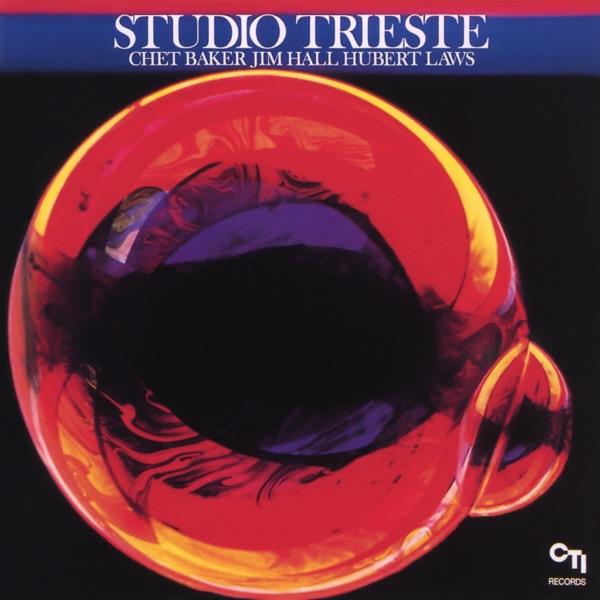
Studio Trieste
Recorded 1982 · CTI · Produced by Not specified in verified sources
Hubert Laws and the Flute's Quiet Authority
Laws brings an unexpected voice to what could have been a standard trumpet-guitar conversation.
The first time Hubert Laws' flute enters on Studio Trieste (1982), it doesn't announce itself. It slides in alongside Chet Baker's trumpet like a third voice in a conversation that was already underway, and suddenly the whole balance shifts. Laws isn't here to accompany or decorate—he's reshaping the air around what Jim Hall's guitar is doing. For a session that could have been a straightforward trumpet-and-guitar date, Laws' presence matters because he occupies a space neither Baker nor Hall could claim alone. His tone is clean and modern, his phrasing unhurried, and he has the kind of confidence that lets him sit back when needed and push forward when the moment calls for it.
Baker and Hall had worked together before, so there was already chemistry between them. What Laws adds is a kind of architectural clarity—his flute has enough definition to cut through without crowding the texture. On a 1982 session, that's a statement. By then Baker's voice was weathered and his playing had deepened into something almost conversational, and Hall's guitar was lean and purposeful. Laws matches that restraint. He doesn't oversell himself or the instrument. The flute can be treacly in jazz settings, all sweetness and no substance, but Laws treats his voice as seriously as either of his collaborators treats theirs.
This is a late-career date for Baker, and it works because everyone involved understood what they were there to do—play with intention, leave space, listen. Laws' role was essential to that balance. He's the element that keeps the session from feeling like a duet with a guest horn. Instead it feels like three equals finding their way through standards and originals with the kind of unhurried intelligence that marks serious players in a room together.
Who's playing
Gary Kingbass
George Mrazbass
Kenny Barronpiano, synthesizer
Jim Hallguitar
Jack Wilkinsguitar
Hubert Lawsflute
Steve Gadddrums
Sammy Figueroapercussion
Chet Bakerbrass
Jorge Daltokeyboard
Where next?
More by Jim Hall
All 46 albums →


The musicians on this record
Their own records, close in time