1964 · Album
To Sweden With Love
Recorded Stockholm, 1964 · Atlantic · Produced by Not specified in verified sources
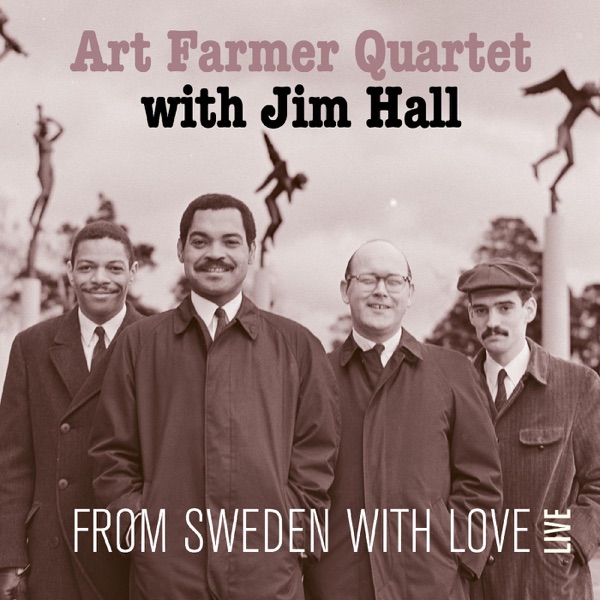
Art Farmer's Restrained Voice in Stockholm
The band's cool and restrained style suits the music perfectly, turning it into jazz without losing its essence.
What makes this record distinctive is Art Farmer's trumpet—not flashy, not aggressive, but patient and melodic in a way that lets Swedish folk material breathe as jazz. Farmer had spent years developing his reputation as a thoughtful player, someone who listened as much as he spoke. Bringing that sensibility to folk songs recorded in Stockholm in 1964 was a genuine idea, not a gimmick. The material could have sounded quaint or forced in the hands of musicians chasing exoticism, but Farmer's approach, paired with Jim Hall's understated guitar work, turns the whole session into something coherent—jazz that respects its source material without genuflecting to it.
The Allmusic review captured what actually happens here: the band plays with restraint, which sounds obvious until you realize how many jazz musicians default to flash. Hall's guitar and Farmer's trumpet create space instead of filling it, letting the folk melodies exist on their own terms while the rhythm section anchors everything in jazz time. There's no tension between the two worlds; they coexist. This wasn't Farmer's usual territory, and it's not the album most people reach for when exploring his discography. It's also not a masterpiece or a turning point. But it's a solid, genuinely listenable record that works because the musicians understood what they were doing and didn't overcomplicate it.
For casual listeners, start elsewhere—try Farmer's work with Gigi Gryce or his later output. But if you're already familiar with Farmer and curious about his range, or if you want to hear what disciplined restraint sounds like in jazz, this Stockholm session is worth your time. It's the kind of record that reveals itself on repeated listening, not because it's complex, but because Farmer's voice, quiet as it is, has real things to say.
Who's playing
Where next?
More by Jim Hall
All 46 albums →


The musicians on this record
Their own records, close in time


