One Guitar, No Net
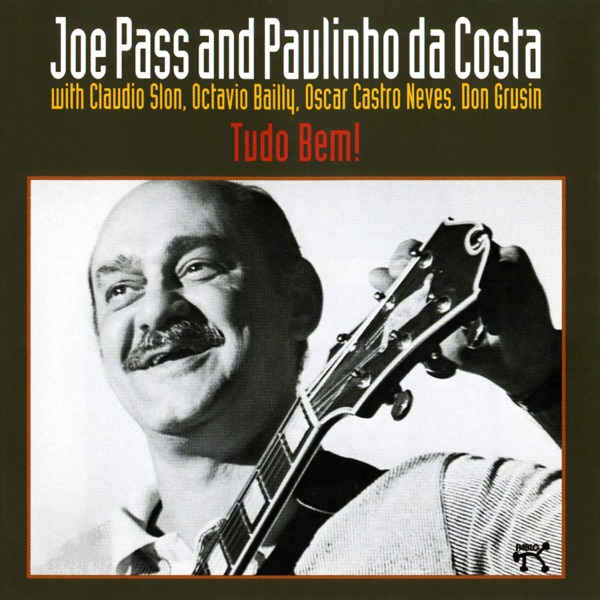
Pass grew up in Johnstown, Pennsylvania, the son of an Italian immigrant steelworker who bought him his first guitar. He was good early — seriously good — but his twenties were swallowed by heroin addiction, and he spent time in federal prison at Fort Worth. Most musicians don't come back from that kind of detour with anything left. Pass did, and what came out the other side was something almost implausibly refined.
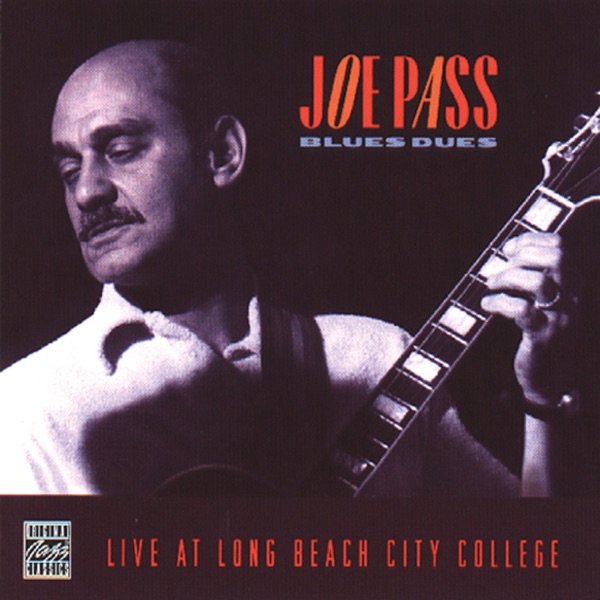
The record that announced his return was Sounds of Synanon (1962), recorded at the rehabilitation facility where he got clean. It's a good album, but it's the Pablo Records era of the 1970s that's the real story. Norman Granz signed him, and what followed was a run of solo guitar records that still sound like they shouldn't be possible. Virtuoso (1973) is the one everyone points to first, and for good reason — Pass playing standards completely alone, no rhythm section, nothing. He's filling in the bass with his thumb, comping with his middle fingers, playing the melody on top, and somehow it swings. It doesn't feel like a trick. It just sounds like music.
The technical approach Pass used is called chord-melody, but calling it that undersells it a bit. Lots of guitarists play chord-melody. What Pass did was closer to orchestration — he thought about the guitar the way a pianist thinks about both hands simultaneously. His left hand voicings were harmonically sophisticated, drawing on bebop language he'd absorbed deeply, and his single-note lines had the fluency and rhythmic confidence of someone who'd spent decades living inside that vocabulary. He wasn't flashy in a showboating way. The flash was in the completeness of it.
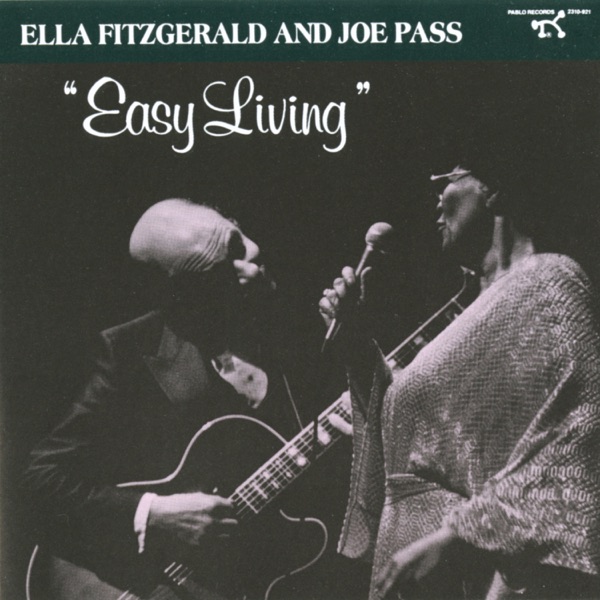
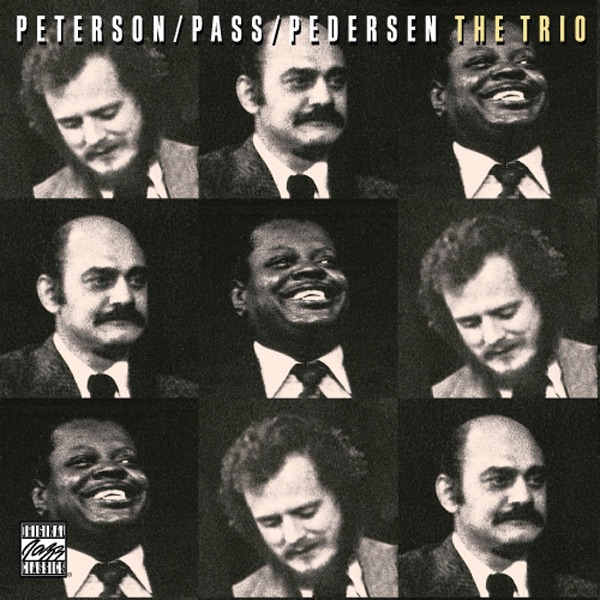
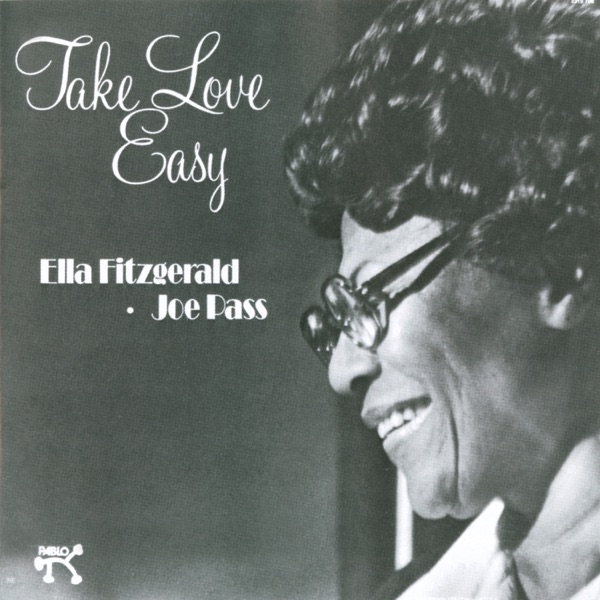
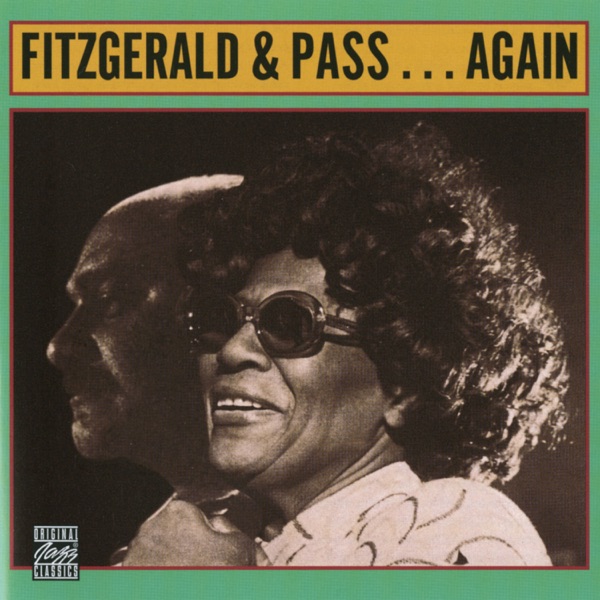
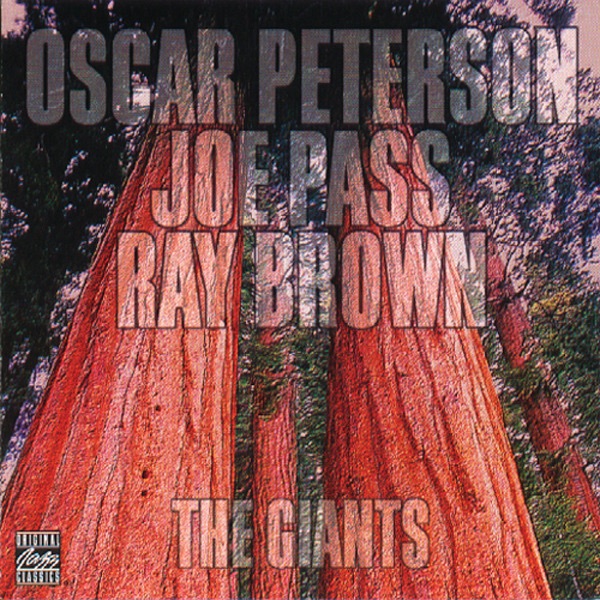
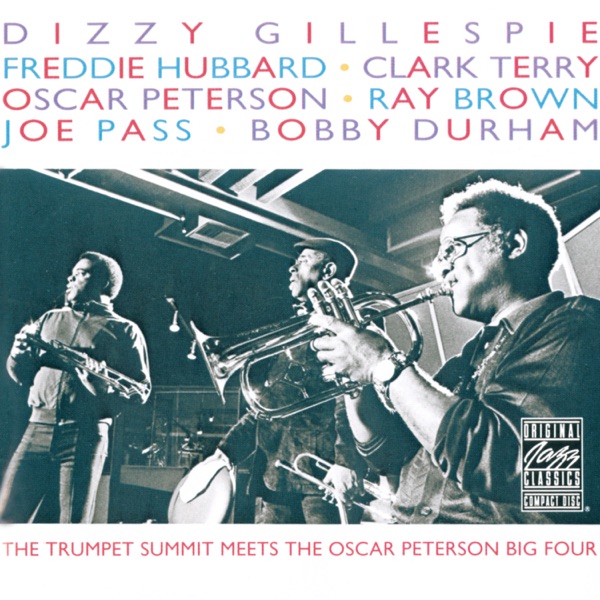
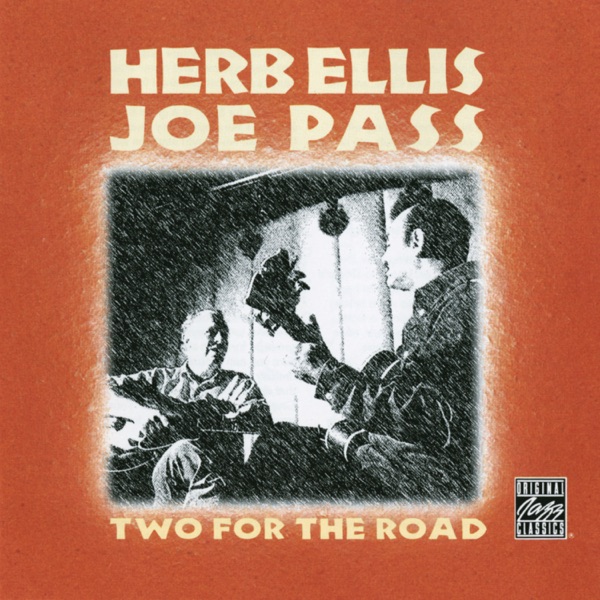
He also worked brilliantly in duo settings. His recordings with Ella Fitzgerald — including Easy Living (1974) — are some of the warmest, most relaxed duo records in the catalog. They sound like two people who genuinely enjoy each other's company. Same with the duets alongside Oscar Peterson and the collaborations with Herb Ellis. Pass had a gift for listening, for not overplaying, for knowing when to support and when to step out. That kind of discretion is rarer than technique.
He kept working and recording right up until near the end. He died in 1994 in Los Angeles from liver cancer. The solo guitar format he essentially popularized has influenced every serious jazz guitarist who came after him — not because they all sound like him, but because he proved what the instrument could do on its own terms. If you're new to him, Virtuoso (1973) is the obvious entry point, but don't sleep on the duo records. They show a different side — warmer, more conversational — and they're just as good.