1979 · Album
I Remember Charlie Parker
Recorded 1979 · Pablo Records (original release); Original Jazz Classics (1991 reissue) · Format: Solo guitar
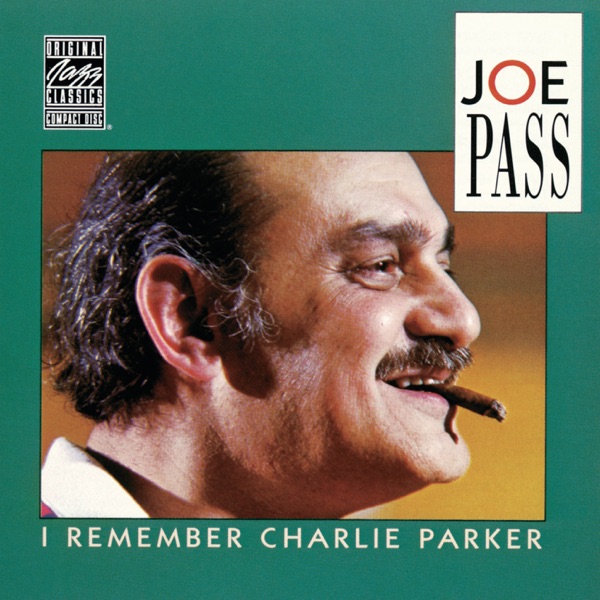
One Guitarist's Conversation with Bird
Pass renders Parker's compositions on solo guitar with clarity and respect, never trying to be Parker himself.
In 1979, Joe Pass sat down alone with his guitar to record a suite of Charlie Parker compositions. No rhythm section, no overdubs, no safety net—just Pass and the melodies that Parker had written. The decision to work solo was both humble and audacious. It meant Pass couldn't hide behind the architecture of a band. Every phrase had to land. Every silence had to breathe. Parker's tunes, many of them written at breakneck tempos with bebop's angular logic, had to make sense on a single instrument, reimagined through a guitarist's voice rather than a saxophonist's.
What Pass delivers across these performances is neither imitation nor reinvention. He treats Parker's material as standard repertoire—the way a pianist might approach a Gershwin song. The guitar's sustain and legato become assets here, allowing Pass to pull long lines from melodies that were originally conceived in staccato bursts. The harmonic sophistication Parker baked into these compositions reveals itself differently when you strip away the bebop ensemble texture. Penguin Guide to Jazz Recordings rated it three out of four stars, recognizing something solid and intentional in Pass's approach.
This sits comfortably in Pass's catalog, neither his most celebrated work nor an outlier. It's the album of a mature guitarist thinking carefully about a jazz giant's legacy, without pretending the task required anything more than listening closely and playing honestly.
Who's playing
Joe Passguitar