1970 · Album
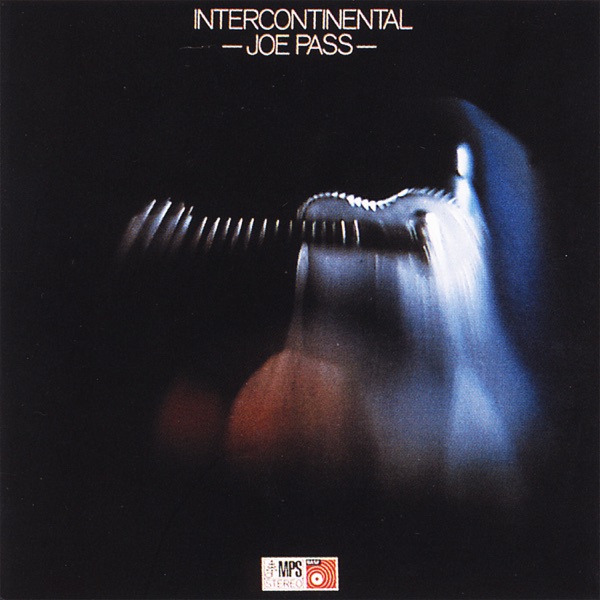
Intercontinental
Recorded 1970 · Original label not specified in provided sources · Notable Reissue: DBX encoded version by Pausa Records (1974)
A Guitarist Caught Between Two Worlds
Pass proves he belongs in any setting—swinging hard over standards, taking on country songs, holding his own alongside serious players.
By 1970, Joe Pass had already established himself as a working guitarist with real chops, but Intercontinental marks a moment when he was still searching for his voice rather than declaring it. This is not a peak—it comes before his best and most confident work—but it is a turning point in how he began to think about repertoire and company.
What makes the album interesting is its refusal to pick a lane. Pass moves between straight swing standards and Latin numbers with the same ease he brings to "Ode to Billie Joe," a country-pop tune that has no business working in this context but somehow does. The rhythm section of Kenny Clare on drums and Eberhard Weber on bass holds things together, with Weber's presence particularly notable—a bassist known for more contemporary approaches, playing it straight here and proving his range. Pass sounds engaged throughout, never coasting, which matters because the album could have felt scattered in less capable hands.
AllMusic rated it 4 out of 5, and that feels right: solid work by a musician finding his footing, mixing genuine musicianship with commercial instinct. It's not where to start with Pass—that comes later, when his voice became unmistakable—but it shows a player willing to work across different sounds rather than retreating into one safe pocket. For collectors or anyone curious about how Pass developed his approach, there is something worth hearing.
Who's playing