1985 · Album
Portraits of Duke Ellington
Released: 1975 · Chart Performance: Peaked at number 37 on the Jazz Albums chart · Context: Recorded shortly after Duke Ellington's death

A Guitar Master's Ellington Moment
Pass proves he didn't need anyone else, though the interplay between all three musicians is quietly impressive.
By 1975, Joe Pass had already established himself as one of the most technically assured guitarists in jazz, but Portraits of Duke Ellington arrived at a specific and pointed moment in his career—recorded shortly after Duke Ellington's death. This wasn't Pass revisiting an old influence or padding a catalog. It was a direct response to loss, a immediate statement made while the absence was still fresh. For a guitarist known for precise, cerebral playing, the album became something more personal than his earlier work, a focused study in how one voice could honor another.
The album charts modest commercial ground, peaking at number 37 on the Jazz Albums chart, which is fine—it never needed to be a bestseller. What matters is what happened in the studio. AllMusic reviewer Scott Yanow heard the interplay between the three musicians as quite impressive, and noted that Pass's mastery of the guitar was obvious enough that he scarcely required company. The Penguin Guide to Jazz Recordings gave it three stars out of four, a solid endorsement that suggested real worth without overstating the case.
This record sits squarely in Pass's mature period—not a debut, not a peak in the commercial sense, but rather the kind of album a confident musician makes when he wants to say something specific about another musician's work. It's neither a turning point nor a surprise. It's a guitarist paying attention at exactly the right time.
Who's playing
Where next?

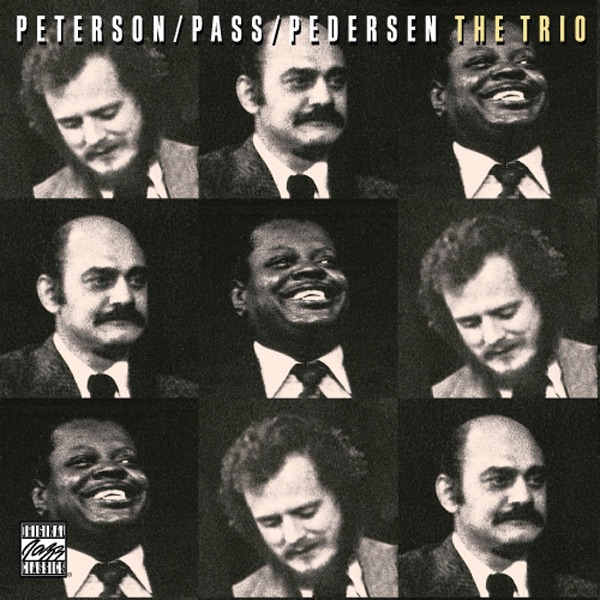
The musicians on this record
Their own records, close in time