1978 · Album
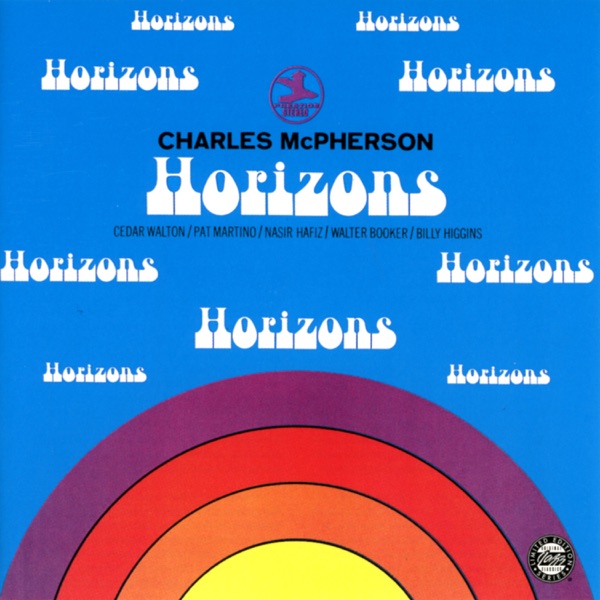
New Horizons
Recorded 1977 · Xanadu · Produced by Not specified in available sources
McPherson at a Crossroads, Swinging Through
The music is typically swinging and has its exciting moments, a solid mid-career statement.
By 1977, Charles McPherson had already spent years establishing himself as a capable saxophonist with a deep understanding of bebop and hard bop language. New Horizons sits somewhere in the middle of his career—not a debut declaration, not yet a summation, but a working musician's album made during a period when he was still finding his footing in a crowded field. This is an album about craft and consistency rather than radical innovation.
The record delivers what you'd expect from McPherson at this stage: swinging, straightforward saxophone work grounded in the lineage he'd absorbed. The AllMusic reviewer awarded it 4 stars, noting that "the music is typically swinging and has its exciting moments." That assessment lands fairly—there's competence here, genuine moments of fire, but nothing that announces a major statement or pivot. The album works because McPherson plays with conviction and doesn't oversell what he's doing.
New Horizons matters less as a turning point in McPherson's trajectory than as an honest snapshot of where serious jazz musicians could take themselves in the mid-seventies. It's the kind of album that satisfied his existing audience without necessarily expanding it. If you're already drawn to McPherson's playing, this is worth hearing. If you're exploring his catalog for the first time, you might want to check out earlier recordings first to understand what he'd already established.
Who's playing