The Bird That Kept Flying
McPherson was born in Joplin, Missouri but Detroit is where he became a musician. He moved there as a kid and fell into the extraordinary ecosystem that city had for jazz in the late 1950s — serious players, serious teachers, serious expectations. Barry Harris was a major figure in his development, and you can hear that influence: a deep grounding in bebop harmony, clean articulation, no wasted notes. Harris treated the bebop tradition as something worth mastering completely before you started bending the rules, and McPherson absorbed that philosophy down to the bone.
When he got to New York and joined Charles Mingus's band in the early 1960s, McPherson stepped into one of the most demanding and unpredictable situations in the music. Mingus didn't just want sidemen who could execute — he wanted players who could think, react, and hold their own in arrangements that could shift direction without warning. McPherson did all of that, and the records he made with Mingus during that stretch show a player who was sharp and confident even when the bandleader was testing everyone around him.
His connection to Charlie Parker runs deep and is worth addressing directly. McPherson sounds more like Parker than almost anyone else playing today — not in a pastiche way, but in the sense that the phrasing, the melodic logic, and the emotional temperature of his playing all come from that same source. When Clint Eastwood made the Parker biopic Bird (1988), McPherson was brought in to record the alto parts that were dubbed over Parker's original recordings. That's not a footnote — that's a serious vote of confidence from people who needed the real thing.
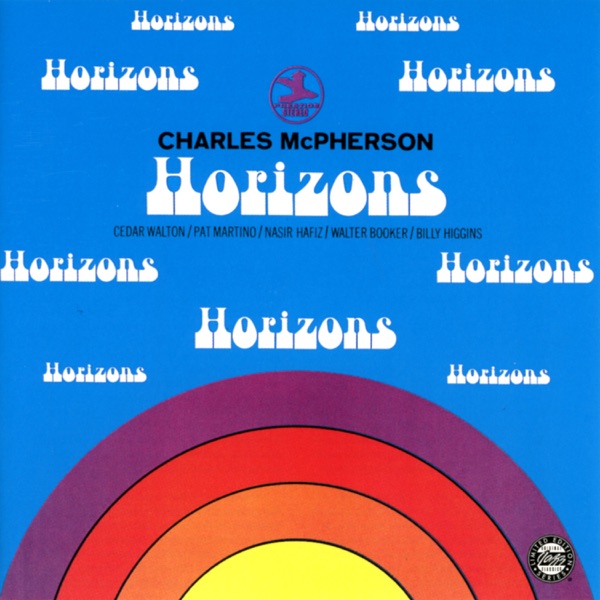
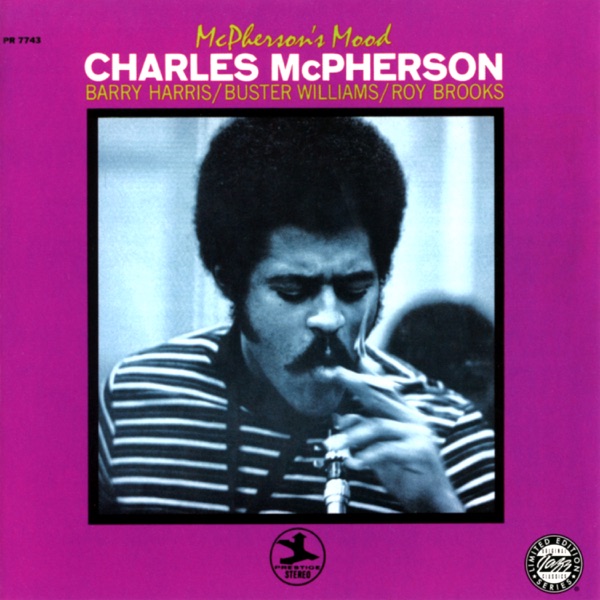
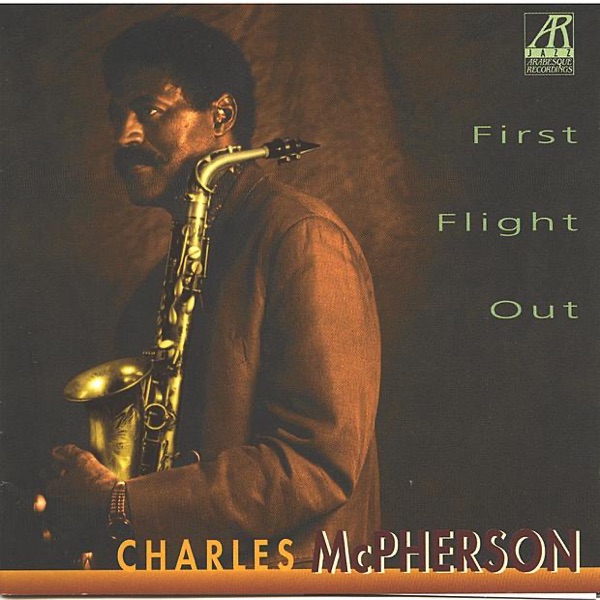
His own albums as a leader, especially the ones he made for Prestige in the 1960s like Bebop Revisited! (1964), are exactly what they sound like — a player who genuinely loves this music playing it with conviction and energy rather than nostalgia. He's never seemed interested in chasing trends or repositioning himself for a different audience. That could be read as stubbornness, but it's also integrity. He has a clear idea of what he does and he does it exceptionally well.
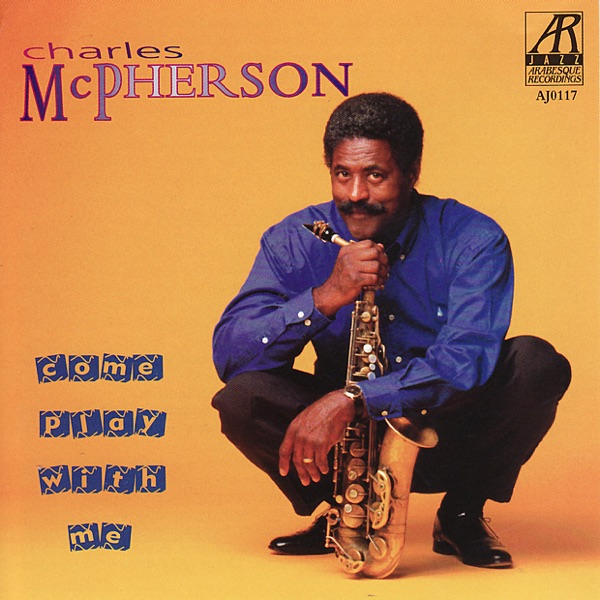
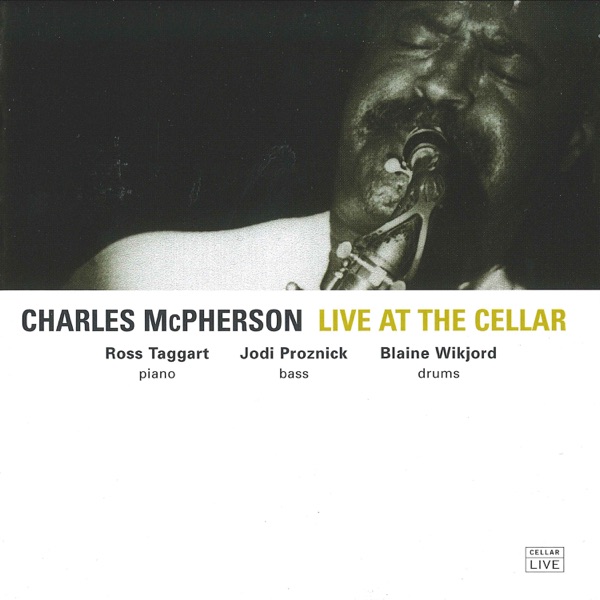
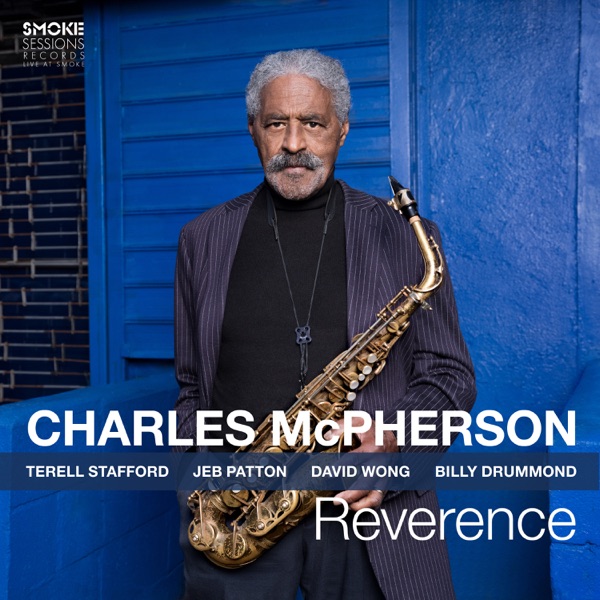
McPherson has kept recording and touring well into his later years, and the playing holds up. He's not coasting — listen to anything recent and you'll hear a guy who still has ideas and still cares whether the next phrase lands. Detroit gave him the foundation, Mingus gave him the fire, and Parker gave him the language. What he built with all of that is his own thing, and it's worth your time.