1994 · Album
First Flight Out
Recorded 1994 · Arabesque · Instruments: Saxophone (tenor and soprano)
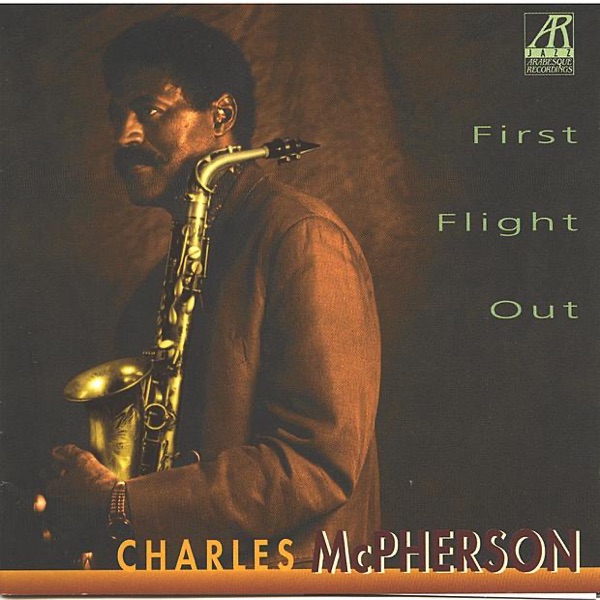
McPherson in the Studio, 1994
A saxophonist taking flight on his own terms, capturing something direct and unforced.
When Charles McPherson entered the studio in 1994 to record First Flight Out, he was working on Arabesque, a label known for giving experienced players room to develop without the weight of major-label expectations. The session itself became the album's backbone — McPherson approached the date with clear ideas about what he wanted to capture: straightforward, soulful playing that didn't need layers of production to justify itself. The recording choices reflected that philosophy. Rather than chase trends or remake himself, McPherson brought a working musician's pragmatism to the date, letting his tenor and soprano saxophones do the talking without unnecessary arrangement flourishes.
What ended up on tape was lean and purposeful. McPherson's tone carries the warm, slightly woody quality that defined his playing across decades, and here it sounds comfortable with itself — no need to prove anything. The session captured him in a zone where technical control and emotional directness moved together naturally. For listeners familiar with his earlier work, this record sits as a solid addition to his catalog rather than a reinvention. It's the sound of someone who knew exactly what he wanted to say and didn't overthink the saying of it.
First Flight Out works best for listeners already drawn to McPherson's approach — patient, blues-rooted, conversational rather than flashy. It's not a record that demands your attention with novelty or shock, but it rewards the listener willing to sit with a saxophonist who trusts his own voice. The Arabesque session produced something honest, which in 1994 meant something quiet but real.
Who's playing
Peter Washingtondouble bass
Michael Weisspiano
Charles McPhersonalto saxophone
Victor Lewisdrums
Tom Harrellflugelhorn