1970 · Album
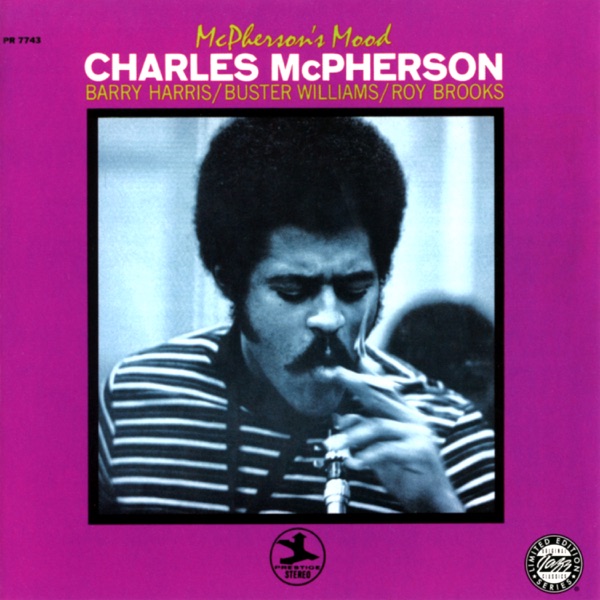
McPherson's Mood
Recorded 1969 · Prestige · Album Number: Sixth album led by Charles McPherson
Solid Ground in the Middle Years
McPherson plays it straight here—no surprises, but plenty of swing and conviction.
By 1969, Charles McPherson had already established himself as a reliable voice in hard bop and modal jazz. McPherson's Mood arrives at a point where he wasn't chasing trends or making declarations; he was simply making good, sturdy records. This is a saxophonist confident in his abilities, working within a language he knew intimately.
The album doesn't break new ground—AllMusic reviewer Alex Henderson was direct about that, noting it "isn't the least bit innovative (by 1969 standards)"—but that wasn't really the point. McPherson trades in solid swing, the kind of playing that filled out the jazz club circuit and made sense alongside the bebop and post-bop records already in circulation. The music here is dependable rather than daring, which means it has aged better than flashy experiments sometimes do. There's no strain toward relevance, no forced modernism. It simply breathes.
This is a good album to reach for when you want McPherson without complications—not his statement of arrival, not a late-period reinvention, just a competent middle-period outing that demonstrates why he had staying power. If you're exploring his catalog, this won't be the revelation that sends you back to his earlier recordings or propels you forward to seek everything that followed. It's the kind of record that justified itself on the bandstand and in the marketplace without needing critical reassurance.