1971 · Album
Better Days
Recorded 1963–1964 · Pacific Jazz Records · Released: 2001 (Mosaic Records compilation)
Ray Brown's Bass and Joe Pass's Vision
Brown's bass lines don't just support Pass—they push him into territory he wouldn't reach alone.
What makes this collection of Pacific Jazz sessions distinctive isn't just Joe Pass's guitar work, though that's solid throughout. It's Ray Brown on double bass. Brown had spent decades as one of the most recorded bassists in jazz—he knew how to lock into a groove, how to follow, how to lead without taking over. Here, paired with Pass across these 1963 and 1964 sessions, he does something specific: he gives Pass's guitar lines a harmonic anchor that lets the soloist breathe. Pass was still figuring out what his small-group sound could be, and Brown's presence—the weight of his tone, the intelligence of his walking lines—seems to have steadied him. The sessions also feature Conte Candoli on trumpet and flugelhorn, Tom Scott on reeds, and Earl Palmer on drums, a rhythm section that swings without overdoing it. What you get is lean, conversational jazz. No one's trying to impress you with speed or complexity. Pass and Brown trade ideas like two people who know each other's vocabulary. The reissue on Mosaic Records in 2001 gathers material that had been scattered or overlooked, giving listeners a clearer picture of Pass during a formative stretch. These aren't his most famous recordings, but they're among his most honest—the sound of a guitarist and bassist working out the language they'd use for everything that followed.
Who's playing
Ray Browndouble bass
Carol Kayebass guitar
Joe Samplepiano
Joe Passguitar
Tom Scottflute, tenor saxophone
Conte Candoliflugelhorn, trumpet
J.J. Johnsontrombone
Earl Palmerdrums
Milt Hollandcongas
Where next?

The musicians on this record
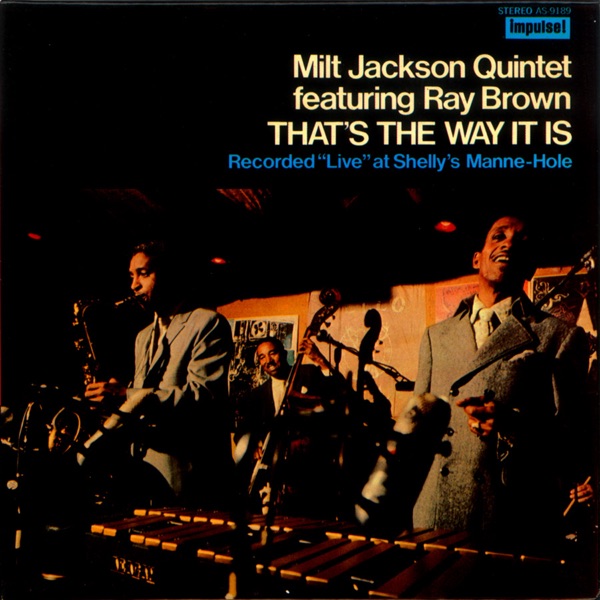
That's the Way It Is 1969
Ray Brown
plays double bass here
plays double bass here

Voices in the Rain 1981
Joe Sample
plays piano here
plays piano here


