Where do you listen?
Choose your streaming service
inside the sleeve
Loading…
inside the sleeveITS
⌕
Read About

♫

Facts
Connections
Read more

Discography

Collaborations

Live on Youtube

Explore Further

Selected connections
1977 · Album

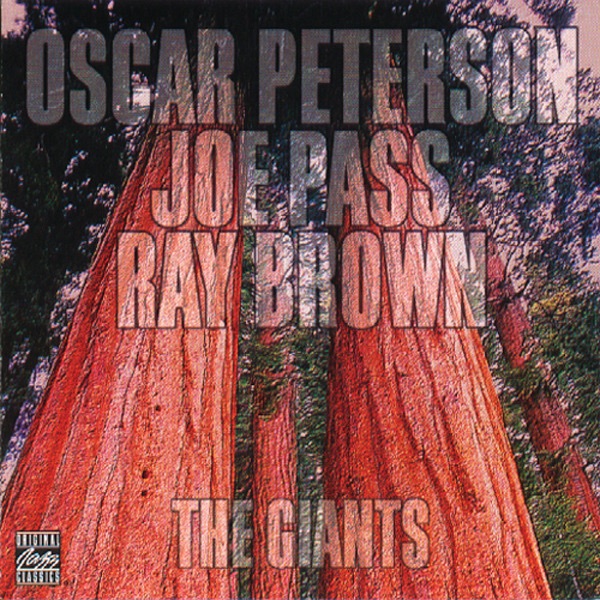
"The Giants"

↑ Joe Pass

Recorded 1974 · Pablo Records
"The Giants"

Three Masters, No Arrangement Needed

Peterson won a Grammy four years later for this session, proof that some records improve with age.

The Giants arrived in 1974 as a straightforward trio session: Oscar Peterson at the piano, Joe Pass on guitar, Ray Brown on bass. It was not a landmark moment. Reviews were solid but not rapturous — AllMusic gave it four stars, respecting the craftsmanship without declaring it essential. The Penguin Guide was measured at three and a half stars. The album did not rewrite the trio format or announce a new direction. What it did was deliver exactly what the personnel promised: three players at the top of their powers, swinging in real time with no overdubs or studio tricks.

But something shifted in perception. The Grammy Awards of 1978 recognized Peterson's soloist work on this album, four years after its release. That delay is telling. The Giants was not an immediate critical sensation or a commercial juggernaut. It was the kind of record that built its reputation slowly, through repeated listening and word-of-mouth among serious listeners. It proved durable enough to warrant a CD reissue by Original Jazz Classics in 1995, a label that has never wasted time on forgotten sessions.

The music itself requires no special pleading. Three masters playing together without fuss or arrangement will always sound like something worth hearing. Pass's guitar sits easily in the trio's middle register, neither fighting nor hiding. Brown's bass is rock-solid and responsive. Peterson swings hard without overplaying. It is the sound of professionals who have spent enough time together that they do not need to prove anything. If you have already heard Peterson in other contexts and want a clean, uncluttered example of him at work, this is a sensible choice.

Who's playing
Ray Browndouble bass
Oscar Petersonpiano
Joe Passguitar
Listen next
By Joe Pass
Virtuoso 1974
Oscar Peterson's own record
Night Train 1963
Oscar Peterson plays piano here
More Bebop
Hello Herbie 1970
Herb Ellis
Recording Info
Track listing
1Riff Blues4:26
2Who Cares?6:31
3Jobim6:31
4Blues for Dennis5:33
5Sunny4:51
6I’m Getting Sentimental Over You7:25
7Caravan6:37
8Eyes of Love6:53
Musicians
Further Reading
Read more

Where next?

More by Joe Pass
Virtuoso 1974
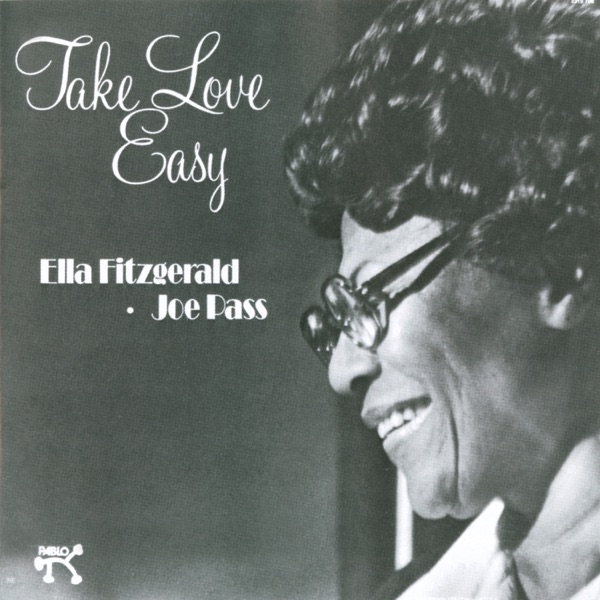
Take Love Easy 1974
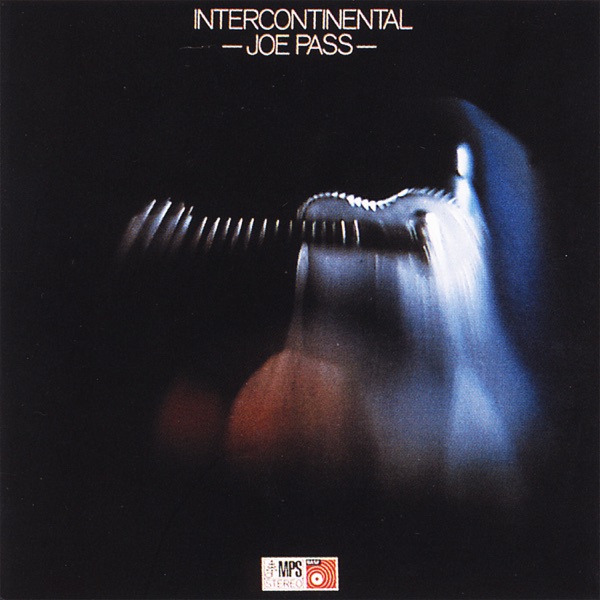
Intercontinental 1970
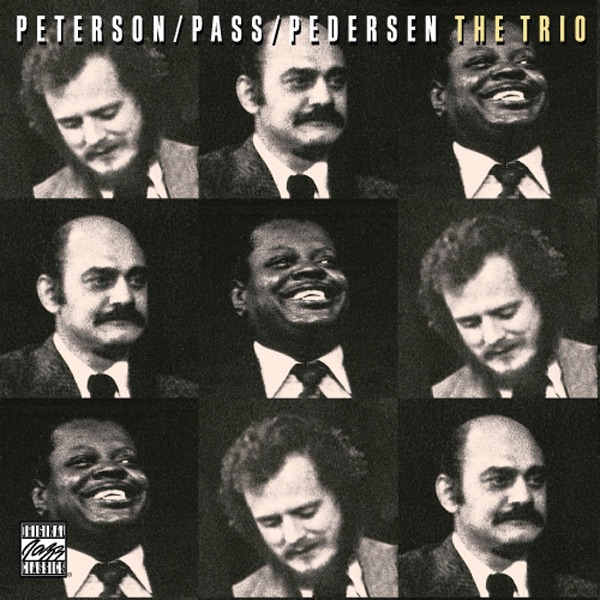
The Trio 1974
All 41 albums →
The musicians on this record
Night Train 1963
Oscar Peterson
plays piano here
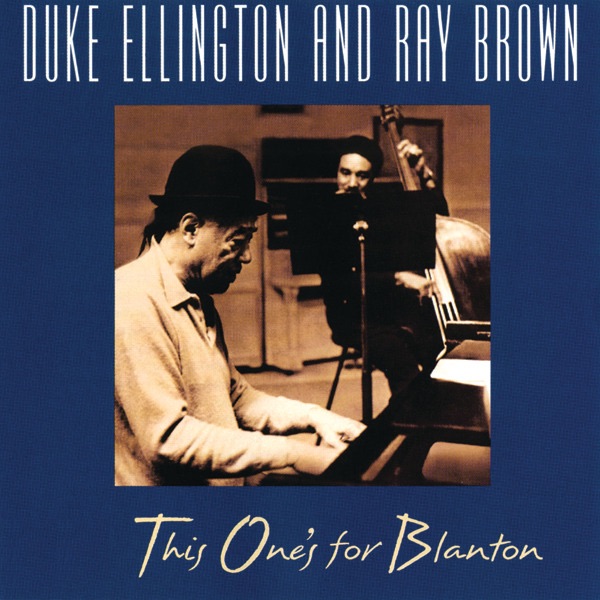
This One's for Blanton! 1975
Ray Brown
plays double bass here
Their own records, close in time
More Bebop
Hello Herbie 1970
Herb Ellis
Free Ride 1977
Dizzy Gillespie
Magnificent! 1969
Barry Harris
The Drum Sessions 1975
Shelly Manne
All 89 Bebop artists →

More by this artist

Albums with the same musicians

From the same era

Similar artists

inside the sleeve
Growing
Jazz, explained without pretension.
Read · Follow the connections · Press play
Right now: 7,100+ albums · 440+ artists
Start here
New to jazz? These artists are good places to start.
Loading…
Explore
Nine records worth getting lost in.
Born today
Album of the day
A landmark record, every day.
Read
  • Loading…
Article archive →
Recently added
Purpose
Inside the Sleeve is your companion on a journey through jazz — not a textbook, but something closer to a knowledgeable friend sitting next to you while you listen. Read about an artist, press play, follow a connection, discover an album you didn't know you needed.
Suggestions
Read

Articles

Essays, guides, and lists about jazz and the records that matter.

Loading…

Genre

Key Artists
Further Reading

Essential Albums

Related Genres

In This Genre

About

Inside the Sleeve

Work in progress

Inside the Sleeve grows continuously — new artists and albums are added, essays refined, as visitors explore and our editors follow up on what they find. Content, features, and design are still evolving; use the Report error button on any page to flag something that seems off.

Content

Every artist, album, and release date on Inside the Sleeve is real — verified against trusted sources including MusicBrainz and Wikipedia. We don't invent discographies or fabricate records. AI compiles that verified information into readable prose — essays on artists, albums, and the music itself. We can't manually review every essay before publishing, but every reported error is checked by a human editor.

Inside the Sleeve is not a review site. We're not here to rate or rank — we're here to guide you in. Where an album stands out, we'll say so. Where an artist changed everything, you'll know why. But we won't tear anything down. Jazz history is complex and sources sometimes disagree — if you spot something that seems off, please report it.

Streaming

Inside the Sleeve links to Spotify and Apple Music so you can listen while you read. These are not affiliate links. For Spotify, links open a search on open.spotify.com — we do not have direct links to specific recordings. For Apple Music, direct links are used where available, otherwise a search is opened.

Your choice of streaming service is stored locally in your browser only. It is never sent to our servers.

We're working on deeper Spotify integration, including direct links to specific recordings.

Privacy

Inside the Sleeve does not collect personal data and does not use cookies. We count page visits anonymously using a self-hosted analytics tool — no personal identifiers are stored, and the data never leaves our own server. The only preference stored on your device is your streaming service choice, saved locally in your browser and never transmitted.

When you submit a suggestion or error report, the text you write is stored in our database. No name or email is required or collected unless you choose to provide one.

Third-party services

Spotify and Apple Music are independent services with their own terms of use and privacy policies. Inside the Sleeve is not affiliated with or endorsed by either company.

Support

Inside the Sleeve is free and ad-free. If you enjoy it, a coffee helps cover server costs and keeps the project going.

Amazon

Some book recommendations on Inside the Sleeve link to Amazon. Buying through these links costs you nothing extra — but Amazon pays us a small commission, which goes directly towards keeping the site running. It's a simple way to support the project if you were going to buy the book anyway.

As an Amazon Associate, Inside the Sleeve earns from qualifying purchases.

Questions or feedback? Use the suggestion box on the front page.

Inside the Sleeve — A guide for those who want to go beyond the obvious About & Privacy