Intimate Duets at the Twilight Hour
Fitzgerald's voice had narrowed with age, but her phrasing remained conversational and direct.
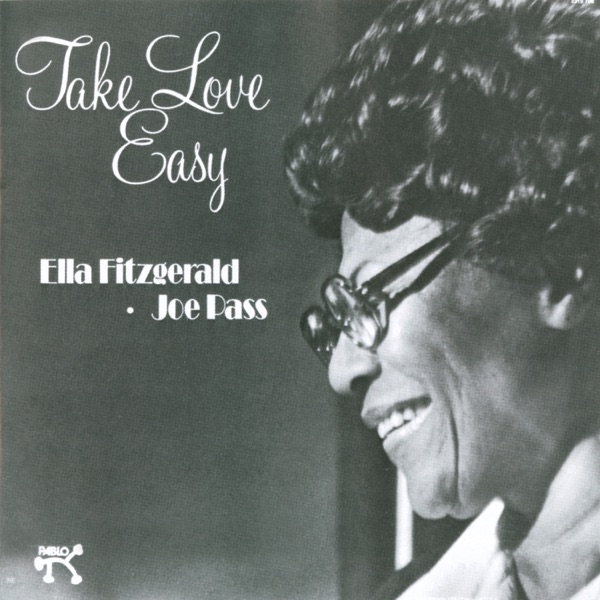
By 1983, Ella Fitzgerald had been recording for more than four decades, and Speak Love captures her late in that arc—a quiet album with Joe Pass on guitar, nothing between them but air and time. The setting is deliberately stripped down: just voice and strings of an acoustic guitar, no rhythm section, no arrangements to hide behind. This is what AllMusic reviewer Scott Yanow heard when he wrote that the intimacy might have been "too intimate for what she had left"—a tactful way of saying her voice no longer had the range or power it once did.
But intimacy was the point. The album trades the spectacle of her swing-era performances for something more like a conversation. On tracks like "Comes Love" and "Gone with the Wind," you hear not the voice that commanded a big band, but a singer thinking through a lyric, finding what's left to say with it. Her phrasing is still intelligent, still shaped by decades of listening to what words mean. Pass's guitar work is spare and responsive—he's not showing off, just following her through the songs. The limited range Yanow mentioned is real, but the records Fitzgerald made in her prime were built on a kind of effortless dominance. This one asks something different of the listener: patience, and a willingness to hear what a musician sounds like when power is no longer the point.
Speak Love is not a major record in her catalog. It's a late-career project, interesting mainly for those already committed to Fitzgerald's work—a glimpse of how she sounded when she had to think harder about every note. If you're discovering her, start elsewhere. But for anyone who knows her well, it's worth hearing her this way: not at her peak, but still present, still thinking.
Who's playing
Joe Passguitar