Still Pushing Hard in His Seventies
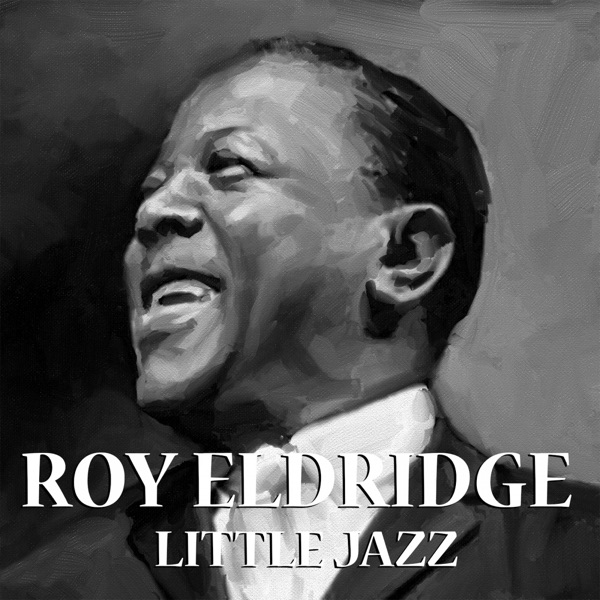
Even late in his career, Eldridge was still pushing himself, building solos to ferocious levels.
By 1976, Roy Eldridge was in his seventies, but What It's All About catches him refusing to coast. Recorded for Pablo Records, this session finds him in the company of musicians who could match his appetite for risk — players willing to let him take the temperature up and hold it there. Eldridge had spent fifty years proving himself as a trumpeter, moving between swing and bebop without apology, never becoming a museum piece. This record is proof he had no intention of starting now.
The album lives up to its title because Eldridge treats every solo like something that matters. He's not recycling old tricks or playing it safe. The solos build, they test the rhythm section, they go for broke — which was always his way, but hearing it happen in real time, with stakes still present, carries weight. There's no resignation here, no sense of a player content to reminisce. Instead, it's a master still hunting, still capable of ferocious energy when the moment calls for it.
This is not Eldridge at his peak — that was decades earlier — but it's Eldridge still in the fight. For listeners who know his earlier work, What It's All About shows what happens when a musician refuses the graceful exit. For those coming to him fresh, it's a reminder that swing and drive don't have an expiration date.