The Trumpet Speaks First
Eldridge's horn cuts through every moment with the clarity of someone who has something urgent to say.
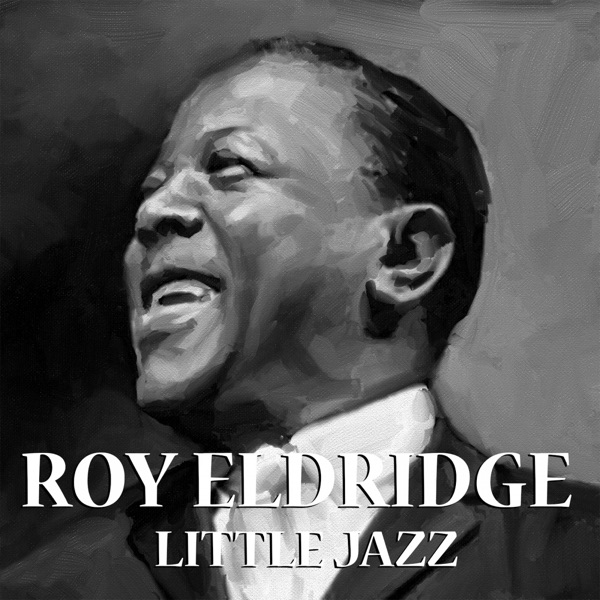
Roy Eldridge earned the nickname "Little Jazz" early, and by 1954, when this album was recorded, he had already spent decades proving he belonged in any conversation about trumpet mastery. What makes Little Jazz (1954) the right entry point isn't that it's his most polished or his most adventurous — it's that it shows you exactly what he does, without pretense or experiment. His tone is direct and warm, his phrasing conversational in the way only the best improvvisers manage. He moves fluidly between bebop sensibility and older swing traditions, never sounding confused about which era he's in, just comfortable moving between them.
The album catches Eldridge in a straightforward setting where his trumpet is the center of gravity. He doesn't need elaborate arrangements or a famous rhythm section to make these sessions matter. What you hear is a musician who understands his own strengths and plays to them — clean articulation, harmonic sophistication, and the ability to make a melody bend without breaking it. There's no searching here, no experimentation for its own sake. This is a working musician at full confidence, which is exactly what a new listener needs to understand before exploring his other recordings.
Start here because it's honest. You'll hear why he was respected by his peers, why he could hold his own in any era, and why the nickname stuck. From this foundation, his other work — earlier swing sessions, later collaborations — will make more sense. You'll know what you're listening for.