The Trumpet Player They Called Little Jazz
Eldridge's trumpet cuts through with the kind of urgency that makes you sit up and listen.
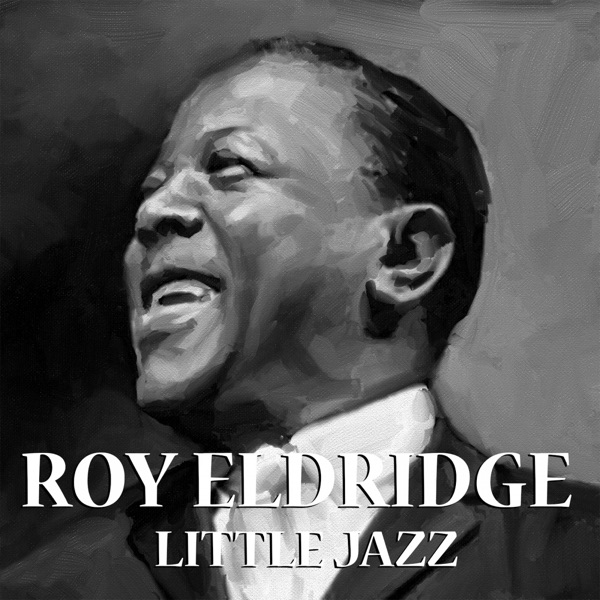
When Little Jazz arrived in 1954 on the Clef label, it landed as a solid professional statement from a musician already well established in jazz circles. This was not a debut that turned heads overnight, nor a masterpiece that immediately crowned Eldridge as the era's defining voice. Instead, it was received as honest, swinging work from a trumpeter known for his velocity and competitive fire. The nickname "Little Jazz" fit because Eldridge played with the restless energy of someone who had something to prove, even after years of steady work. The album built its reputation gradually, appreciated by musicians and serious listeners who valued his technical command and improvisational fearlessness rather than championed by critics declaring it essential.
What makes the music worth hearing is straightforward: Eldridge plays with genuine command here. His trumpet tone is warm but sharp enough to cut through ensemble textures, and he phrases with a forward momentum that keeps things from settling into comfortable swing. The sessions showcase him in settings where his speed and clarity matter—quick tempos suited his strengths, and the Clef recording captures his sound cleanly enough that you hear exactly what he's doing. He's not reinventing himself or chasing trends; he's playing the music he'd built his reputation on, and doing it well.
This album sits in the middle of Eldridge's recorded output, neither a turning point nor a peak, but a record that works if you meet it on its own terms. It's the right place to hear him if you want straightforward, skilled small-group swing without the weight of historical legend attached. For listeners already drawn to his playing, it's reliable evidence of why his peers respected him.