When Two Kings Meet in the Ring
A cutting contest that becomes something deeper—two masters pushing each other toward collaboration.
Roy and Diz arrived as a deliberate provocation. Two of jazz's most formidable trumpet voices, recorded separately and released as paired volumes on Clef, invited obvious comparison. The first set struck listeners as a straight-up battle, and the response was mixed—some heard ego, others heard sport. But the second volume, released in 1955, told a different story. Billboard noticed the shift: "While the competitive element is not absent in this second set, here this acts as a mutual stimulant." That phrase matters. What looked like a contest had become something closer to a conversation, each player goading the other into sharper phrasing, higher stakes, more inventive lines.
The music itself justifies the setup. Roy Eldridge and Dizzy Gillespie came from different jazz generations and played from different harmonic vocabularies, but neither had anything to prove by 1954. Eldridge was the elder, shaped by swing; Gillespie had helped invent bebop. When they trade solos, you hear them acknowledge each other's language while staying rooted in their own. It's not seamless fusion—it's two distinct voices in the same room, each one refusing to back down.
This is a specialized record. It's not the place to start with either trumpeter, and it's not a landmark album that changed jazz. But for anyone interested in how two masters at peak ability approach shared material, it stands apart from their usual work. The competitiveness is real, and so is the respect underneath it.
Who's playing
Ray Browndouble bass
Oscar Petersonpiano
Herb Ellisguitar
Roy Eldridgetrumpet
Dizzy Gillespietrumpet
Louie Bellsondrums
Where next?
More by Roy Eldridge
Roy & Diz 1955

The Art Tatum - Roy Eldridge - Alvin Stoller - John Simmons Quartet 1955

"Little Jazz" Jazz 1954
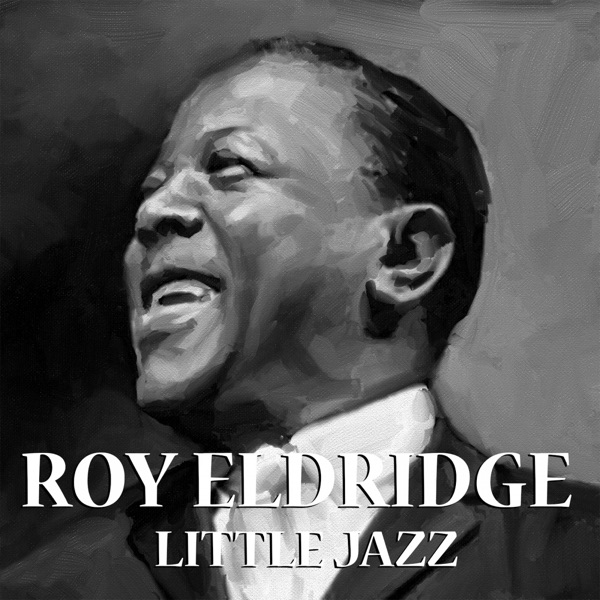
Little Jazz 1954
The musicians on this record
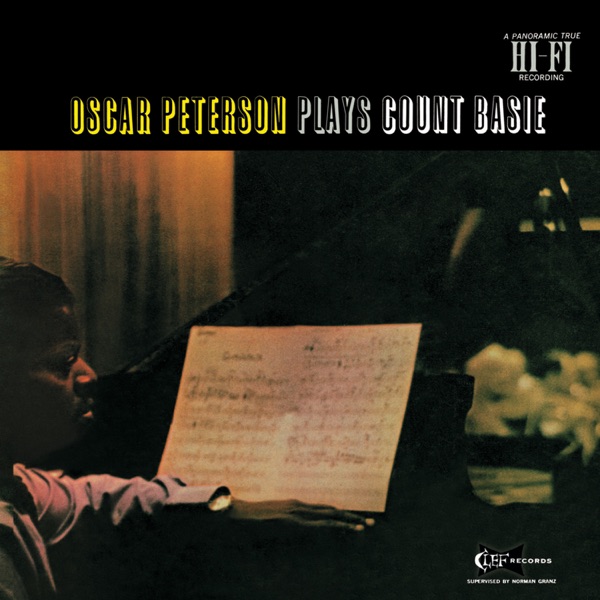
Oscar Peterson Plays Count Basie 1956
Oscar Peterson
plays piano here
plays piano here
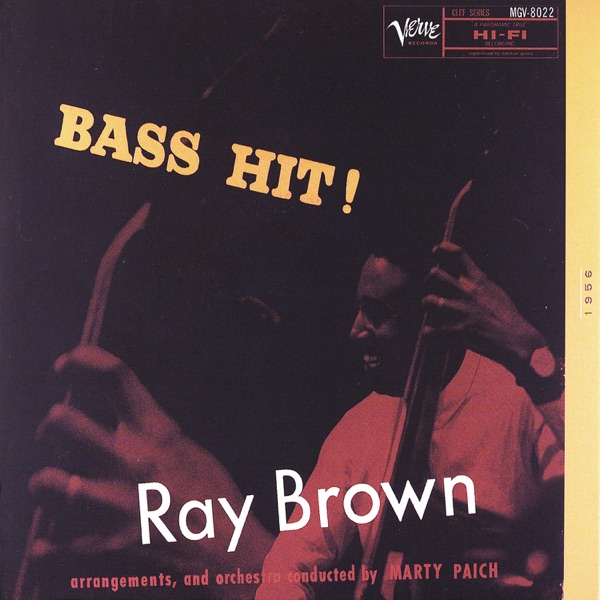
Bass Hit! 1957
Ray Brown
plays double bass here
plays double bass here

Afro 1954
Dizzy Gillespie
plays trumpet here
plays trumpet here

Hello Herbie 1970
Herb Ellis
plays guitar here
plays guitar here