The Voice of the Thumb Pick
Here's the thing about Wes Montgomery—he figured out something most guitarists never do. Instead of using a pick like everybody else, he played with his thumb. Sounds simple, but it changed everything. His thumb gave him this warm, round tone that just sang. You could bend notes with real expression, layer octaves with this delicate, almost gentle quality, and swing in a way that felt like the blues and soul music, not like classical exercises. His thumb was his voice, and once you heard him play, you knew exactly who it was.
From the 1950s through the early '60s, Wes recorded constantly for Riverside Records. Albums like "The Incredible Jazz Guitar (1960)" and "So Much Guitar (1961)" showed what he could do—he'd play fast bebop lines, then turn around and play a ballad that made you believe every note. He always served the song. He wasn't trying to show off. Then he developed this octave technique where he'd voice entire chords using octaves. It could've sounded cold and technical, but when Wes did it, it sounded like a full orchestra.
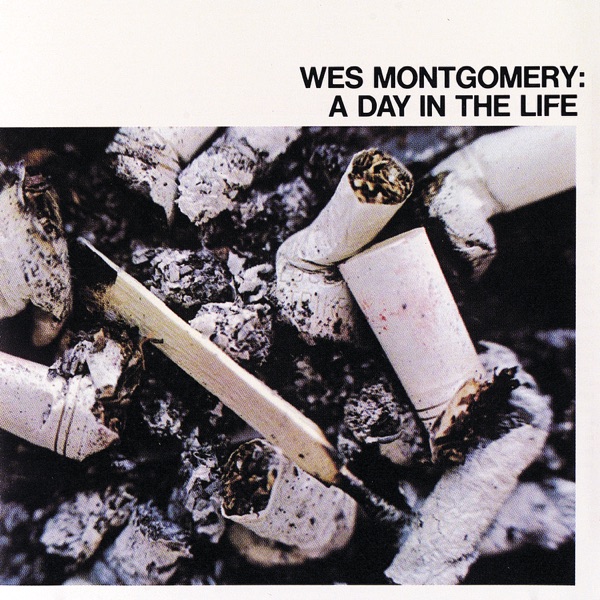
By the mid-1960s, Wes was everywhere. The Verve Records albums with string arrangements—"Goin' Out of My Head (1965)" and "A Day in the Life (1967)"—brought him to millions of people who'd never heard jazz before. Some jazz fans complained about the orchestral stuff, thought it was selling out. But honestly, Wes sounded great no matter what you put around him. Those albums proved that jazz didn't have to choose between being real and being popular.
He died in 1968, just 45 years old. In twenty years of recording, he'd already influenced everyone from George Benson to Pat Metheny to guitarists today who still listen to him and wonder how he made it look so easy. What people remember isn't just that he could play fast or execute some technical trick. It's that he made the guitar sound like a person—honest, joyful, vulnerable. That's what stays with you about Wes.