1960 · Album
Wes Montgomery: Finest Hour
Recorded 1959 · Riverside Records · Produced by Orrin Keepnews

The Guitar That Whispers and Swings
Montgomery's thumb-picked guitar lines cut through with warmth, never showing off, always connecting.
Wes Montgomery didn't need to prove anything by this point in his career. He'd already established himself as the guitarist who could make an electric instrument sound like it had a heartbeat. Finest Hour captures him doing exactly what he did best: playing with a directness that cuts through all the jazz world's pretension. His thumb-picked lines are the main event here, and they sit perfectly in these arrangements. There's no flash for its own sake, just a player who knows exactly what he wants to say and says it cleanly.
What makes this collection work is how it balances standards with fresher material, giving you a real sense of Montgomery's range without ever feeling scattered. The performances breathe. You can hear the space in these recordings, the way each musician leaves room for the others. His solos don't meander—they arrive somewhere, they land, and they move on. That's harder than it sounds, especially when you're working on material this well-worn. He plays through these songs like someone having a conversation rather than delivering a lecture.
This sits solidly in the middle of his essential catalog. If you're new to Montgomery, start with something that shows his early innovation, but don't sleep on this one once you're ready for material that proves depth doesn't require complexity. It's a good reminder that sometimes the best playing is the kind that gets out of the way and lets the melody speak. The album works exactly as its title suggests—this is Montgomery at his most essential, doing what he did better than almost anyone else could.
Who's playing
Ron Carterdouble bass
Bob Cranshawbass
Richard Davisdouble bass
Roger Kellawaypiano
Herbie Hancockpiano
Bobby Scottpiano
Wes Montgomeryguitar
Ernie Royaltrumpet
Clark Terrytrumpet
Snooky Youngtrumpet
Melba Listontrombone
Jimmy Clevelandtrombone
Urbie Greentrombone
Quentin Jacksontrombone
Chauncey Welschtrombone
Jimmy Smithorgan
Grady Tatedrums
Hélcio Militodrums
Bobby Rosengardenpercussion
Ray Barrettocongas
Candidobongos, congas
Jack Jenningsvibraphone
Mike Mainierivibraphone
Harold Colettaviola
Paul Gershmanviolin
Harry Lookofskyviolin
Charles McCrackencello
Gene Orloffviolin
George Riccicello, violin
Margaret Rossharp
Where next?
More by Wes Montgomery

The Incredible Jazz Guitar 1960
The Incredible Jazz Guitar of Wes Montgomery 1960
Incredible Jazz Guitar 1961

Full House 1962
The musicians on this record
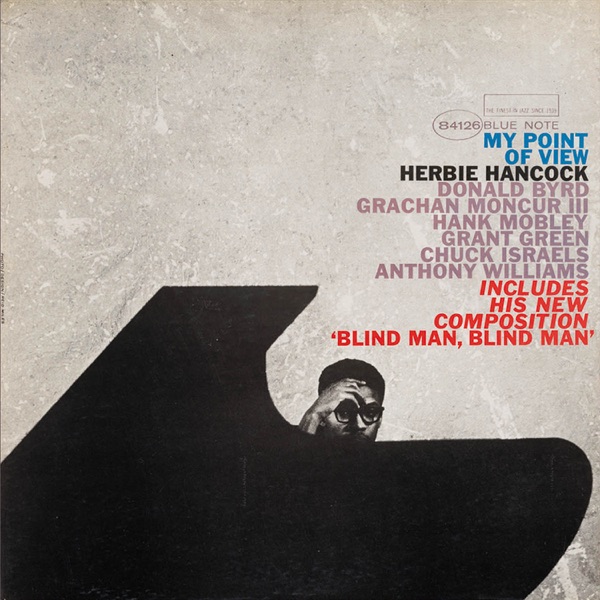
My Point of View 1963
Herbie Hancock
plays piano here
plays piano here

Back at the Chicken Shack 1963
Jimmy Smith
plays organ here
plays organ here

Where? 1961
Ron Carter
plays double bass here
plays double bass here


