
One Session, Two Albums, Pure Swing
Smith and his group captured something immediate and unguarded, the sound of musicians locked in conversation.
Back at the Chicken Shack arrived in 1963, but the music on it was born three years earlier in a single recording session that also produced Midnight Special (1963). That detail matters. Both albums came from the same day in the studio, the same players, the same energy—which means Smith and his group were prolific enough to cut two albums' worth of material in one stretch. The session captures Smith doing what he did better than almost anyone: leading a small group through soulful, blues-rooted organ jazz that swings hard without showing off about it.
The album's title points back to a real place, a Chicago nightclub where Smith had cut his teeth as a performer. Naming it that way signals something about the record's approach—this is not a concept album or a studio experiment, but a working band playing material they knew, material with roots in the clubs and joints where this music lived. Smith's Hammond B3 anchors everything, warm and percussive, driven by his left hand on the bass pedals as much as his fingers on the keys. The rhythm section locks tight around him, and there's room for soloists to stretch without the date feeling bloated or self-conscious.
For a new listener to Smith's work, this is the right place to start. It has the virtue of clarity—you hear what he does, how he thinks about the organ, how he builds a solo. The Penguin Guide to Jazz rated it highly, recognition that holds up. The album doesn't try to be anything other than what it is: capable musicians making swinging, soulful music in a real session. No pretense, no reaching. That directness is exactly why it works.
Who's playing
Where next?


The musicians on this record

Rough ’n’ Tumble 1966
Stanley Turrentine
plays tenor saxophone here
plays tenor saxophone here
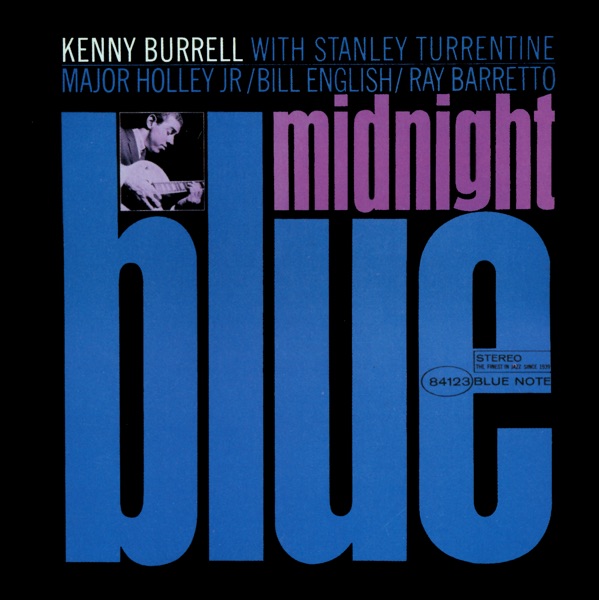
Midnight Blue 1963
Kenny Burrell
plays guitar here
plays guitar here


