Where do you listen?
Choose your streaming service
inside the sleeve
Loading…
inside the sleeveITS
⌕
Read About
Tenor Saxophone - USA - Soul Jazz

Stanley
Turrentine

Start here Dearly Beloved (1993) →
1934 - 2000, USA

Stanley Turrentine played tenor saxophone like he was telling you something important and didn't want to repeat himself. His sound was big, warm, and unmistakably his own — rooted in the blues, built for small rooms with good acoustics and people who actually wanted to listen. For three decades he made some of the most satisfying jazz records you can find, and somehow still gets underrated in conversations about the greats.

Soul JazzHard BopBebopContemporary Jazz
Stanley Turrentine

Big Tone, Real Feeling

Turrentine grew up in Pittsburgh — the same city that produced Ahmad Jamal, Ray Brown, and Art Blakey — and he came up fast. He was playing professionally as a teenager and by his early twenties had already done stints with Lowell Fulson and then Max Roach. That background in blues-rooted rhythm and blues bands shaped everything about how he approached the saxophone. He never lost that feel, even when he was recording for Blue Note and running with some of the sharpest modern jazz players around.

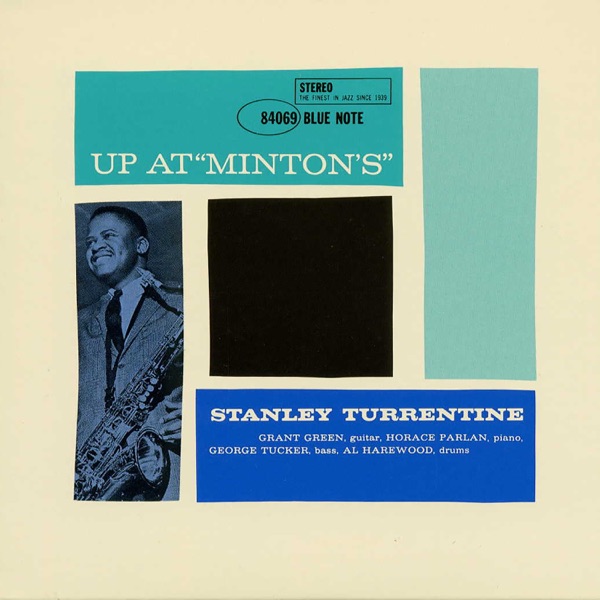
His Blue Note years in the 1960s are the core of his catalog, and they hold up extremely well. Albums like Up at Minton's (1961) and Dearly Beloved (1961) show exactly what he was about: a huge, slightly raspy tone, phrases that breathe and swing without rushing, and a bluesy sensibility that keeps everything grounded. He wasn't trying to dazzle you with technical acrobatics. He wanted to make you feel something, and he usually did. His then-wife Shirley Scott played organ on many of these sessions, and that pairing became one of the defining sounds of soul jazz — tenor and organ locked in like they'd been rehearsing together for years, which of course they had.

The organ combo format suited Turrentine perfectly. There's a directness to it — no piano filling in the harmonies, just the organist holding down the bottom and the tenor out front doing the work. He recorded with Jimmy Smith too, and those sessions have a particular electricity. The Tiger (1967) and related recordings with Smith show two heavyweights who knew exactly how to push each other without getting in the way. The music is gutsy and straightforward in the best possible sense.

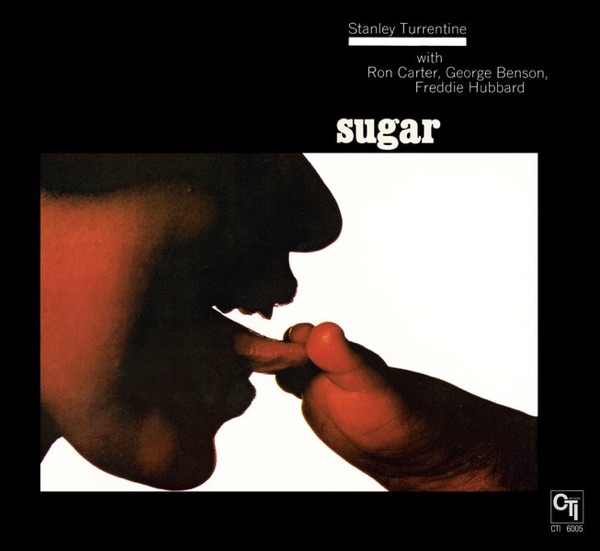
By the early 1970s, Turrentine moved toward a more commercial sound — smoother production, funk-influenced grooves, pop crossover ambitions. The CTI Records period brought him wider audiences and some genuinely enjoyable records, even if they divided listeners who preferred the rawer Blue Note stuff. Sugar (1970) became his best-known album from this era, built around a lush, accessible sound that still had enough of his blues feeling to avoid feeling hollow. Some jazz purists wrote this period off, but that's a bit unfair — he was still playing well, just in a different room.

What you want to tell someone before they dig in is this: Turrentine is not a difficult artist. You don't need to do homework before you press play. His music asks nothing of you except that you pay attention, and it rewards that attention every time. Start with the Blue Note records, get comfortable with that sound, and then follow the thread wherever it leads. He made a lot of records — more than fifty as a leader — and the quality stays remarkably consistent. That's not an accident. That's someone who knew what he was doing and kept doing it.
Facts
BornApril 5, 1934, Pittsburgh, Pennsylvania
DiedSeptember 12, 2000, New York City
InstrumentTenor Saxophone
Active1950s – 2000
Known forBlues-drenched soul jazz tone, Blue Note organ combo recordings, CTI crossover period
Connections
Shirley ScottMusical partner and wife, Philadelphia / New York
→
Jimmy SmithFrequent collaborator, organ combo recordings
→
Max RoachEarly employer and mentor, New York
→
Read more

Discography

64 records
Blue Hour
Blue Hour
1960
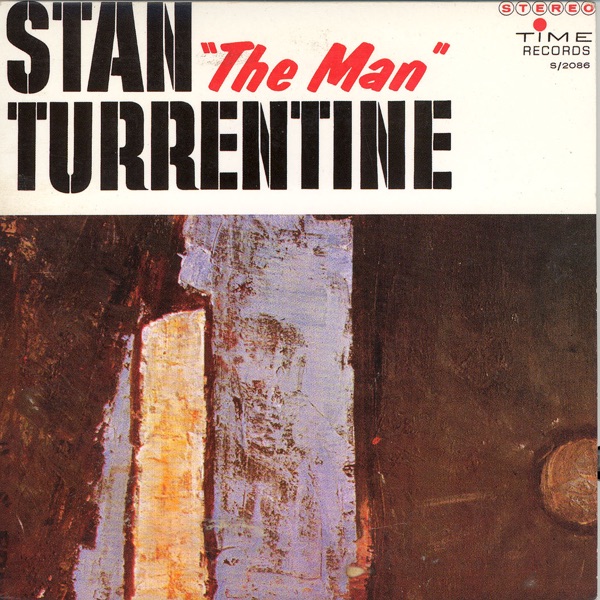
Stan “The Man” Turrentine
1960
Look Out!
Look Out!
1960
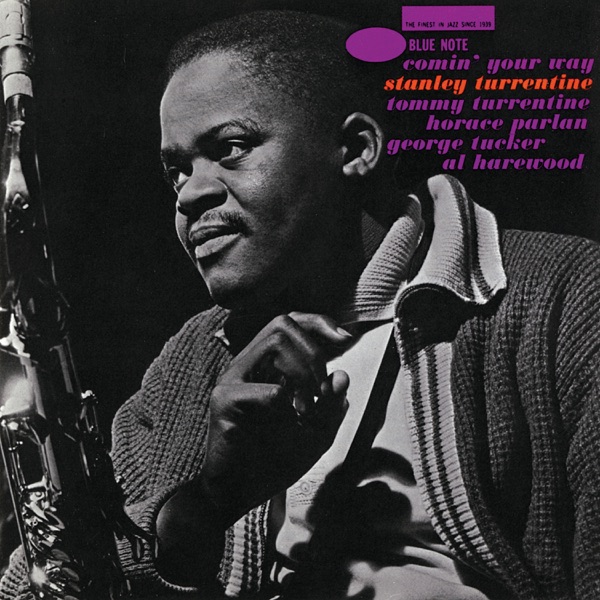
Comin’ Your Way
Comin’ Your Way
1960
Up at Minton's, Volume 2
1961
Up at "Minton's", Vol. 2
1961
Up at “Minton’s”
Up at “Minton’s”
1961
Up at "Minton's", Vol. 1
1961
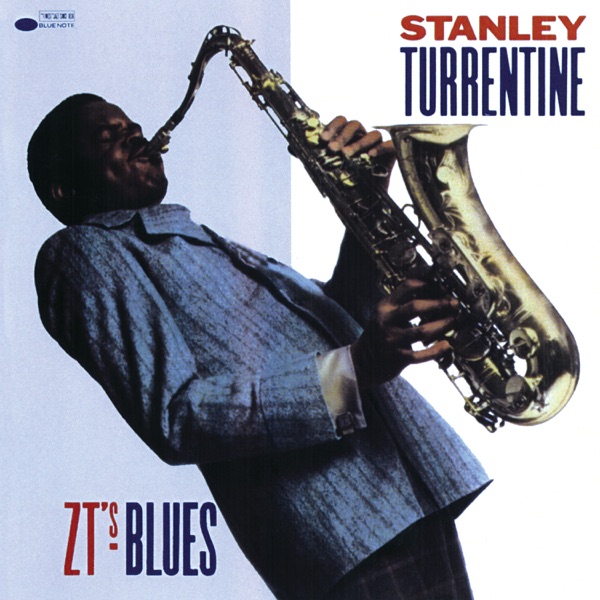
Z.T.’s Blues
Z.T.’s Blues
1961
That’s Where It’s At
1962
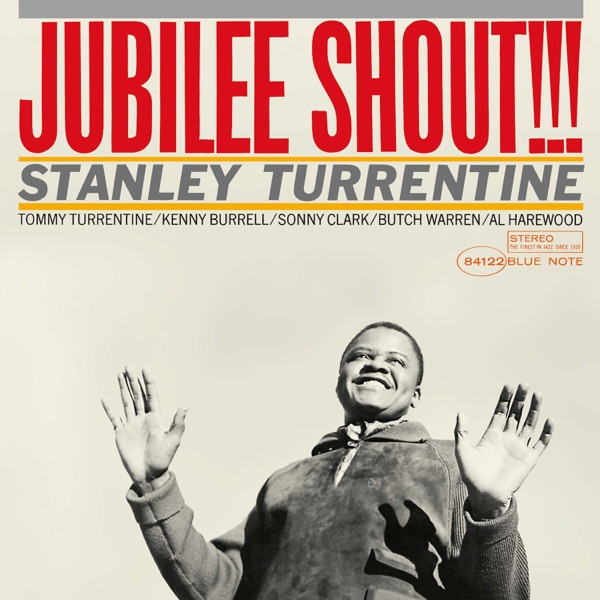
Jubilee Shout!!!
Jubilee Shout!!!
1962
Never Let Me Go
Never Let Me Go
1963
Soul Shoutin’
Soul Shoutin’
1963
The Soul Is Willing
The Soul Is Willing
1963
In Memory Of
In Memory Of
1964
Mr. Natural
Mr. Natural
1964
♫
Prayer Meetin’
1964
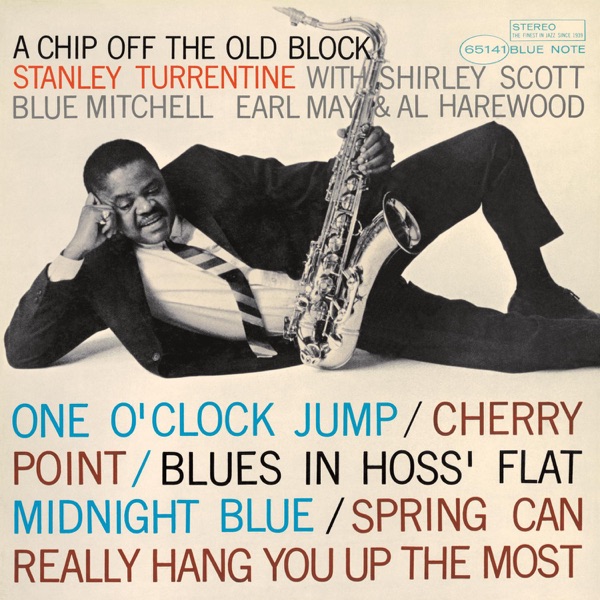
A Chip off the Old Block
1964
Hustlin’
Hustlin’
1965
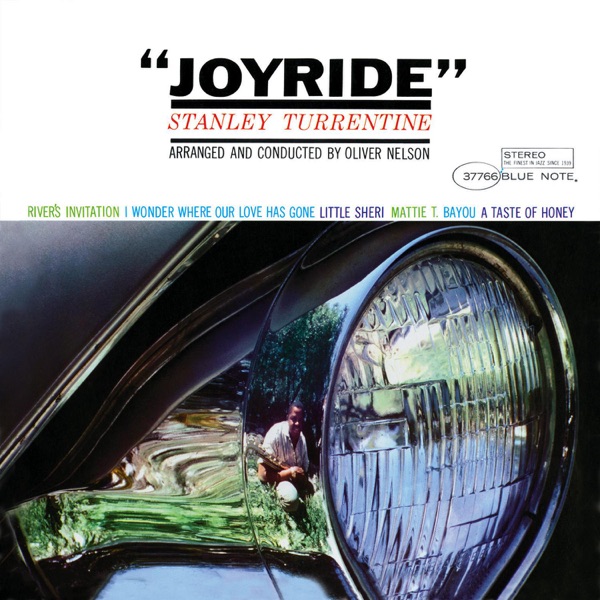
Joyride
Joyride
1965
Let It Go
Let It Go
1966
The Spoiler
The Spoiler
1966
Rough ’n’ Tumble
Rough ’n’ Tumble
1966
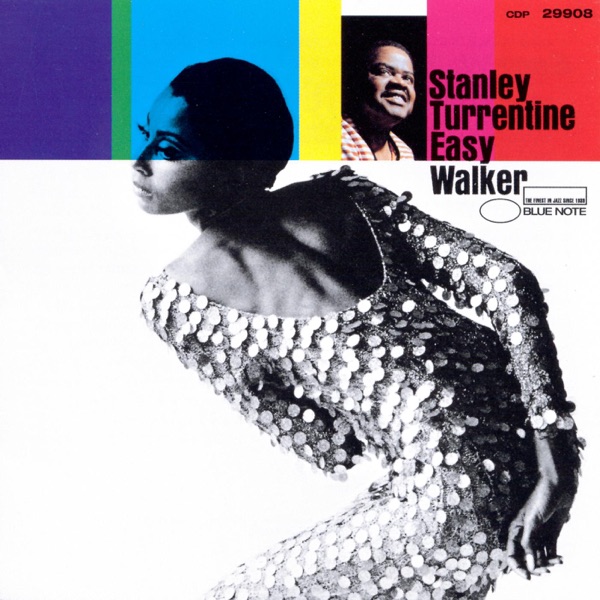
Easy Walker
Easy Walker
1967
A Bluish Bag
A Bluish Bag
1967
Return of the Prodigal Son
1967
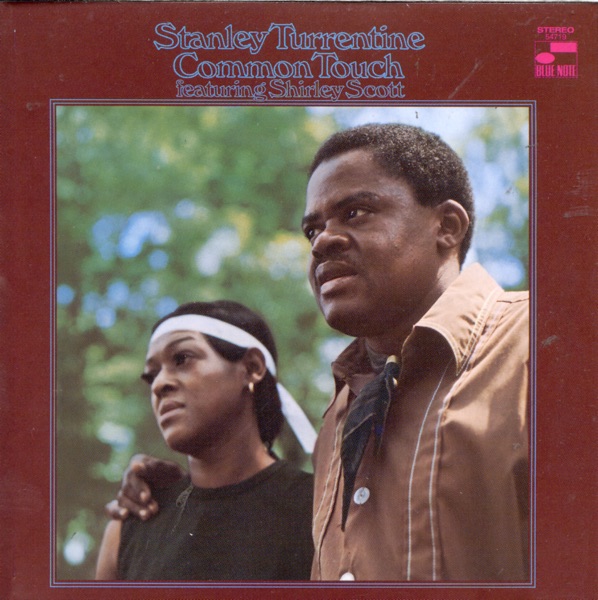
Common Touch
Common Touch
1968
Always Something There
1969
Another Story
Another Story
1970
Sugar
Sugar
1971
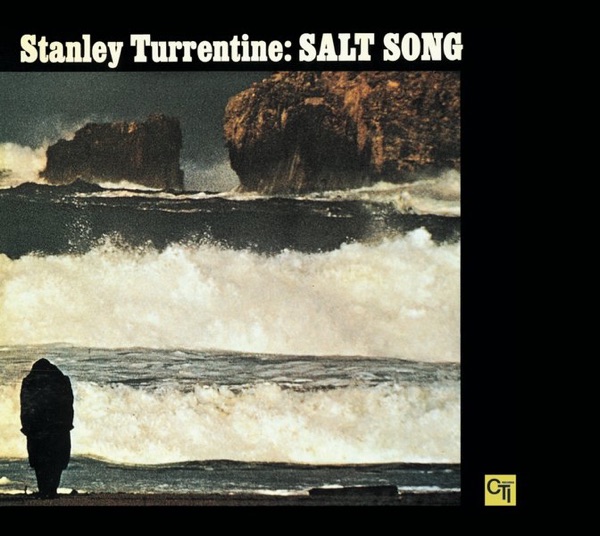
Salt Song
Salt Song
1971
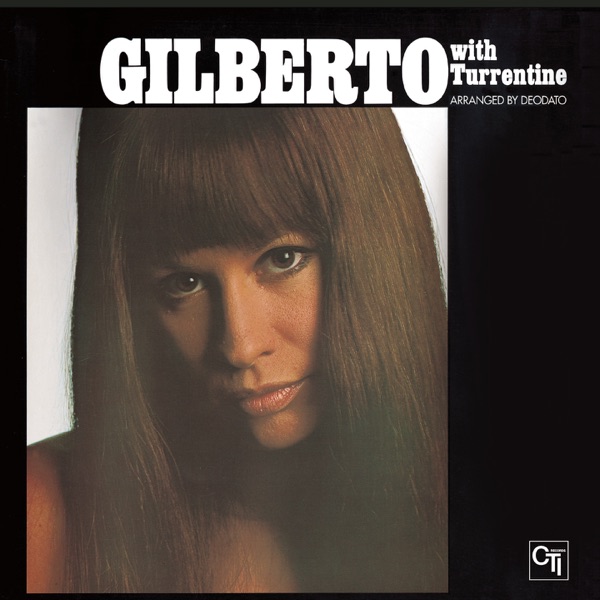
Gilberto with Turrentine
1971
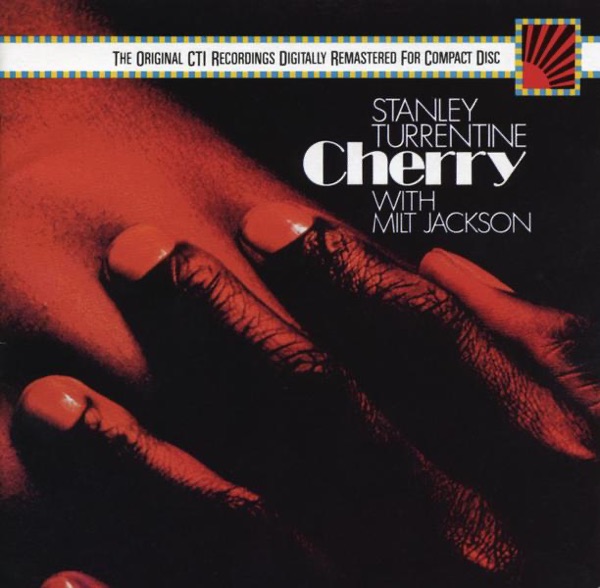
Cherry
Cherry
1972
Don’t Mess With Mister T.
1973
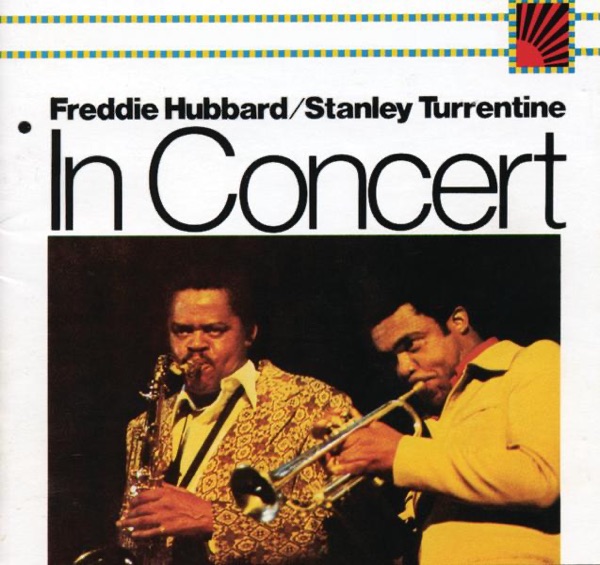
In Concert, Volume Two
1974
In Concert, Volume One
1974
♫
Have You Ever Seen The Rain
1975
♫
In the Pocket
1975
The Sugar Man
The Sugar Man
1975
Pieces of Dreams
Pieces of Dreams
1975
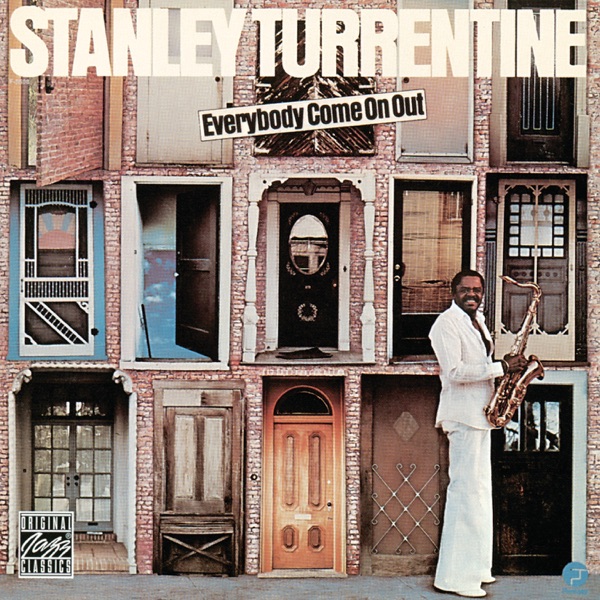
Everybody Come On Out
1976
The Man With the Sad Face
1976
♫
Nightwings
1977
The Great Live Sessions
1978
♫
What About You!
1978
Betcha
Betcha
1979
Inflation
Inflation
1980
Tender Togetherness
Tender Togetherness
1981
Home Again
Home Again
1982
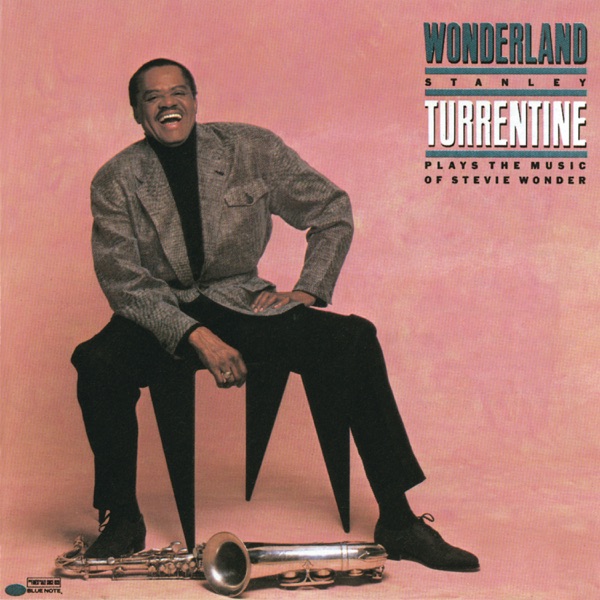
Wonderland
Wonderland
1987
La Place
La Place
1989
♫
Live! at Blues Alley
1991
More Than a Mood
More Than a Mood
1992
Dearly Beloved
Dearly Beloved
1993
If I Could
If I Could
1993
T Time
T Time
1995
Blue Flames
Blue Flames
1995
♫
West Side Highway
1998
Easy! Stanley Turrentine Plays the Pop Hits
1998
Do You Have Any Sugar?
1999
♫
Fourmost Return
2006
Ain't No Way
Ain't No Way
2012
♫
New Time Shuffle
2012
Love's Finally Found Me

Collaborations

Live on Youtube

Explore Further

Selected connections
Organist, USA
Jimmy Smith
The organ giant who recorded some of the most charged sessions with Turrentine — start there to understand the tenor-organ chemistry.
Explore →
Album, 1961
Up at Minton's
A live Blue Note date that captures Turrentine in his element — loose, bluesy, and completely in command.
Explore →

Who's playing
Listen next
Recording Info
Track listing
Musicians
Further Reading
Read more

Where next?

More by this artist

Albums with the same musicians

From the same era

Similar artists

inside the sleeve
Growing
Jazz, explained without pretension.
Read · Follow the connections · Press play
Right now: 7,100+ albums · 440+ artists
Start here
New to jazz? These artists are good places to start.
Loading…
Explore
Nine records worth getting lost in.
Born today
Album of the day
A landmark record, every day.
Read
  • Loading…
Article archive →
Recently added
Purpose
Inside the Sleeve is your companion on a journey through jazz — not a textbook, but something closer to a knowledgeable friend sitting next to you while you listen. Read about an artist, press play, follow a connection, discover an album you didn't know you needed.
Suggestions
Read

Articles

Essays, guides, and lists about jazz and the records that matter.

Loading…

Genre

Key Artists
Further Reading

Essential Albums

Related Genres

In This Genre

About

Inside the Sleeve

Work in progress

Inside the Sleeve grows continuously — new artists and albums are added, essays refined, as visitors explore and our editors follow up on what they find. Content, features, and design are still evolving; use the Report error button on any page to flag something that seems off.

Content

Every artist, album, and release date on Inside the Sleeve is real — verified against trusted sources including MusicBrainz and Wikipedia. We don't invent discographies or fabricate records. AI compiles that verified information into readable prose — essays on artists, albums, and the music itself. We can't manually review every essay before publishing, but every reported error is checked by a human editor.

Inside the Sleeve is not a review site. We're not here to rate or rank — we're here to guide you in. Where an album stands out, we'll say so. Where an artist changed everything, you'll know why. But we won't tear anything down. Jazz history is complex and sources sometimes disagree — if you spot something that seems off, please report it.

Streaming

Inside the Sleeve links to Spotify and Apple Music so you can listen while you read. These are not affiliate links. For Spotify, links open a search on open.spotify.com — we do not have direct links to specific recordings. For Apple Music, direct links are used where available, otherwise a search is opened.

Your choice of streaming service is stored locally in your browser only. It is never sent to our servers.

We're working on deeper Spotify integration, including direct links to specific recordings.

Privacy

Inside the Sleeve does not collect personal data and does not use cookies. We count page visits anonymously using a self-hosted analytics tool — no personal identifiers are stored, and the data never leaves our own server. The only preference stored on your device is your streaming service choice, saved locally in your browser and never transmitted.

When you submit a suggestion or error report, the text you write is stored in our database. No name or email is required or collected unless you choose to provide one.

Third-party services

Spotify and Apple Music are independent services with their own terms of use and privacy policies. Inside the Sleeve is not affiliated with or endorsed by either company.

Support

Inside the Sleeve is free and ad-free. If you enjoy it, a coffee helps cover server costs and keeps the project going.

Amazon

Some book recommendations on Inside the Sleeve link to Amazon. Buying through these links costs you nothing extra — but Amazon pays us a small commission, which goes directly towards keeping the site running. It's a simple way to support the project if you were going to buy the book anyway.

As an Amazon Associate, Inside the Sleeve earns from qualifying purchases.

Questions or feedback? Use the suggestion box on the front page.

Inside the Sleeve — A guide for those who want to go beyond the obvious About & Privacy