
Two Sessions, Two Voices, One Bluish Mood
Turrentine's tenor cuts through with that warm, slightly rough edge that made him instantly recognizable.
A Bluish Bag catches Stanley Turrentine in a relaxed, conversational mood—his tenor saxophone warm and slightly grainy, moving through these tunes without hurrying. The album splits itself into two separate sessions, each with its own flavor. The first half brings Donald Byrd on trumpet, and there's an easy funkiness to these tracks, Turrentine's tone sitting comfortably in the middle register while the rhythm section locks into a groove that feels lived-in rather than flashy. The second set shifts the energy. McCoy Tyner arrives on piano, and suddenly there's more harmonic weight in the room, more space between the notes. Tyner's approach gives Turrentine more to push against, and you can hear it in how the tenor becomes slightly more assertive, more willing to stretch out.
Duke Pearson arranged both sessions, and his hand is steady throughout—nothing here feels precious or over-arranged. The charts support rather than showcase, which is exactly what Turrentine needed at this point in his career. By 1967, he was already a reliable voice on the Blue Note roster, and this album sits right in that comfortable middle ground where it's neither trying to reinvent anything nor phoning it in. It's professional, soulful work from players who knew how to make a song breathe.
Allmusic reviewer Steve Leggett found it solid enough to award 3½ stars, which feels about right—this is a good album to have on, not a record you'll return to obsessively. If you want Turrentine at his most adventurous, look elsewhere. But if you want to hear him simply play well with good musicians in a warm studio, this delivers exactly that.
Who's playing
Ron Carterbass
Kenny Barronpiano
Bucky Pizzarelliguitar
Pepper Adamsbaritone saxophone, clarinet
Jerry Dodgionalto saxophone, flute
Joe Farrellflute, tenor saxophone
Stanley Turrentinetenor saxophone
Donald Byrdtrumpet
Julian Priestertrombone
Mickey Rokerdrums
Where next?
More by Stanley Turrentine
All 64 albums →

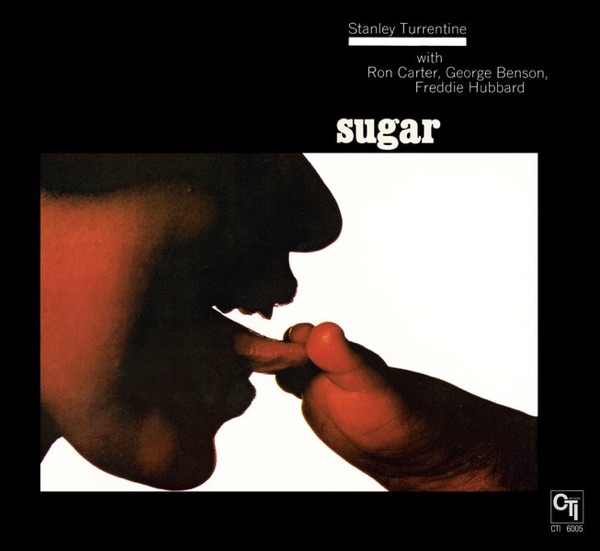
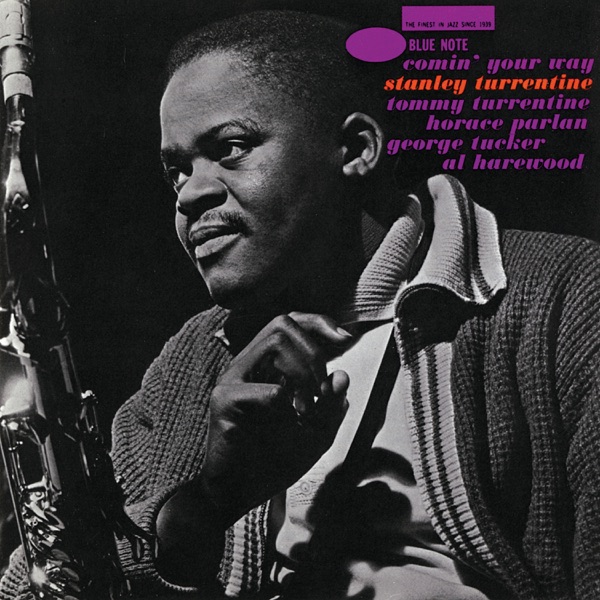
The musicians on this record

Free Form 1966
Donald Byrd
plays trumpet here
plays trumpet here
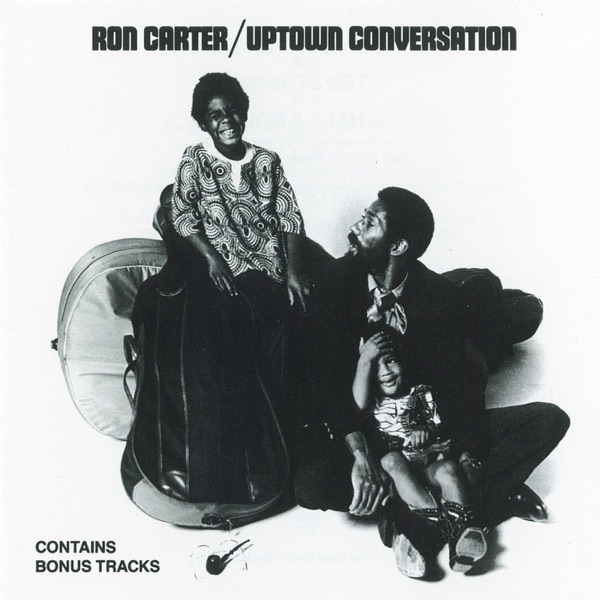
Uptown Conversation 1969
Ron Carter
plays bass here
plays bass here

Spiral 1984
Kenny Barron
plays piano here
plays piano here
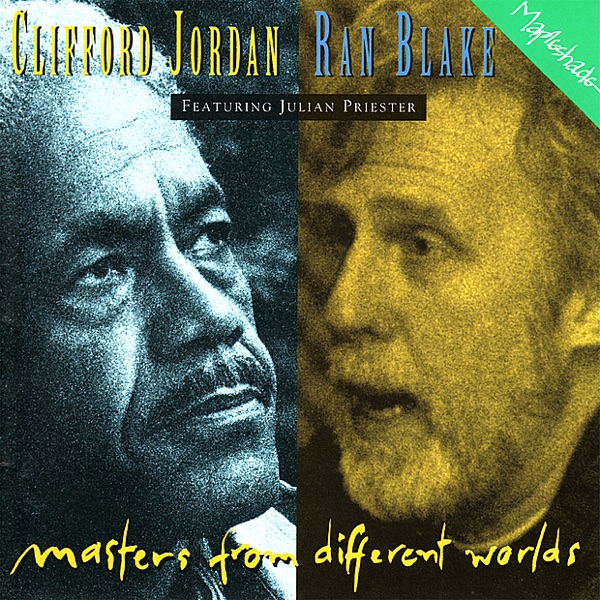
Masters From Different Worlds 1994
Julian Priester
plays trombone here
plays trombone here


