1966 · Album
Free Form
Recorded 1961 · Blue Note · Produced by Not specified in verified sources

Delayed Recognition, Lasting Depth
Free Form showed Byrd's range across modern jazz styles, a versatile statement that built its reputation over time.
Free Form arrived quietly. Recorded in 1961, the album sat unreleased for five years before Blue Note finally issued it in 1966. By then, Donald Byrd had moved forward into other projects, so the record didn't land with immediate fanfare or commercial momentum. It was the kind of album that found its audience slowly, through word of mouth and the patience of listeners willing to sit with something that didn't announce itself loudly.
When critics did engage with it seriously, they recognized what Byrd had been after. AllMusic reviewer Michael G. Nastos gave it four stars, hearing it as both a "smorgasbord of modern jazz styles" and proof of Byrd's "versatility and interest in diversity." The session itself was tight and exploratory: Wayne Shorter on tenor saxophone, Herbie Hancock on piano, Butch Warren on bass, and Billy Higgins on drums—a group of musicians already shaping the direction jazz would take. The record doesn't feel like a showcase for Byrd alone; instead, it's genuinely collective, with each player bringing weight to the conversation.
Free Form sits in the middle of Byrd's early catalog—not his debut, but early enough that it captures him still finding his voice rather than confirming it. Nastos called it "close to Donald Byrd's best early work," which means it's worth hearing if you're interested in how thoughtful musicians worked through ideas in the early 1960s. It's not a landmark record, but it's a solid one, and the delayed release only adds to its strange appeal now—a time capsule from a session that mattered to the people in the room.
Who's playing
Where next?
More by Donald Byrd
All 13 albums →


The musicians on this record
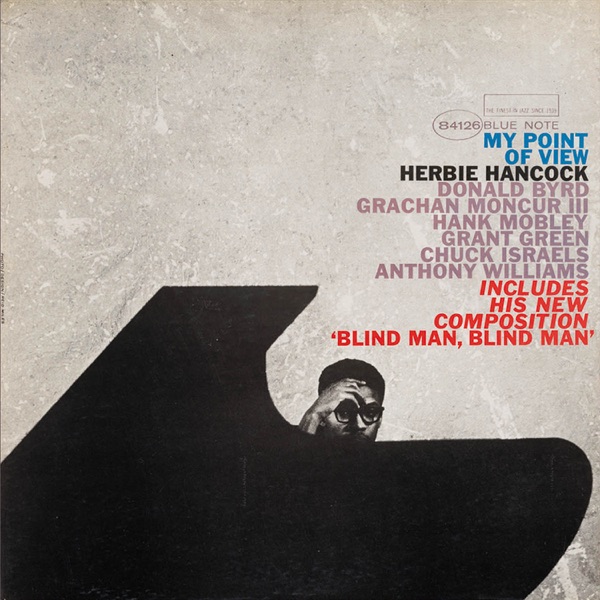
My Point of View 1963
Herbie Hancock
plays piano here
plays piano here

The All Seeing Eye 1966
Wayne Shorter
plays tenor saxophone here
plays tenor saxophone here
♫
The Oracle 1989
Billy Higgins
plays drums (drum set) here
plays drums (drum set) here


