1961 · Album
Royal Flush
Recorded September 21, 1961 · Blue Note · Personnel: Donald Byrd (trumpet), Pepper Adams (saxophone), Herbie Hancock (piano), Butch Warren (bass), Billy Higgins (drums)

Hard Bop Pushing Past Its Own Edges
The quintet plays vital hard bop, but what's really interesting is when they start pushing the boundaries.
Royal Flush arrives at a moment when Donald Byrd is comfortable enough with hard bop language to start testing its limits. Recorded in September 1961, the album sits right in the middle of his most fertile period, when he had mastered the straightforward blowing session but wasn't quite ready to abandon it. With Herbie Hancock, Butch Warren, and Billy Higgins handling the rhythm section and Pepper Adams on saxophone, Byrd assembled a quintet built for both conversation and investigation.
The most telling thing about this record is how it refuses to choose between two approaches. For much of it, the group settles into the kind of groove that hard bop does well—direct, swinging, melodic without being pretty. Hancock, already a presence to be reckoned with, locks into these moments with ease. But then something shifts. The quintet begins testing the space around the changes, letting lines breathe a little longer, pushing against the form without breaking it. This is not revolution. This is craft applied to curiosity, which matters more.
AllMusic reviewer Stephen Thomas Erlewine heard it this way: a set of vital hard bop with something genuinely interesting happening when the band started pushing boundaries. That's exactly right, and it's why Royal Flush works as more than just a capable session. It's evidence of a working musician thinking on his feet, surrounded by players good enough to follow where he's headed. It doesn't rank among Byrd's most celebrated records, but it deserves to be in the conversation about what he was capable of during these years.
Who's playing
Butch Warrenbass
Herbie Hancockpiano
Pepper Adamsbaritone saxophone
Donald Byrdtrumpet
Billy Higginsdrums
Where next?
More by Donald Byrd
All 13 albums →


The musicians on this record
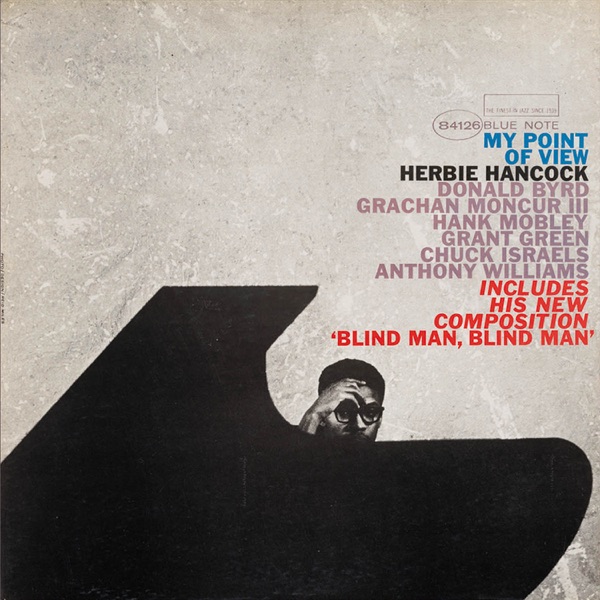
My Point of View 1963
Herbie Hancock
plays piano here
plays piano here
♫
The Oracle 1989
Billy Higgins
plays drums (drum set) here
plays drums (drum set) here


