1966 · Album
The All Seeing Eye
Recorded October 15, 1965 · Blue Note · Produced by Not specified in verified sources

Controlled Freedom: Wayne Shorter's Vision
Shorter and his band reject basic bop formulas for something stranger and more rewarding.
Wayne Shorter recorded The All Seeing Eye (1966) on a single day in October 1965, and what emerged was a session that didn't sound like anything else coming out of the Blue Note studios that year. By this point Shorter had already spent years in Art Blakey's Jazz Messengers and was beginning to establish himself as a composer with real ambitions. The group he brought together—Freddie Hubbard on trumpet, Grachan Moncur III on trombone, James Spaulding on alto sax, Herbie Hancock on piano, Ron Carter on bass, and Joe Chambers on drums—had the chops to execute whatever he wanted, and Shorter took full advantage.
What makes this album distinct is how little it cares about blues changes or standard bebop vocabulary. The pieces are dramatic and structured, with the kind of controlled freedom that lets musicians breathe without wandering. Hancock is excellent here, playing with restraint and color rather than his usual assertiveness. Hubbard and Moncur work well together, their voices complementary rather than competing. The final track, "Mephistopheles," brings in Shorter's brother Alan on flugelhorn—a detail that suggests this was a personal session, not just another date.
If you're new to Shorter as a leader, this isn't the obvious starting point. His earlier albums have more immediate appeal, and his later work with Weather Report defined what he'd become. But if you've already gotten comfortable with his playing and want to hear him thinking through compositional ideas with a strong band, this delivers. It's stimulating without demanding too much from the listener, and it holds up because the music doesn't rely on trends or flash.
Who's playing
Ron Carterdouble bass
Herbie Hancockpiano
Wayne Shortertenor saxophone
James Spauldingalto saxophone
Freddie Hubbardflugelhorn, trumpet
Grachan Moncur IIItrombone
Joe Chambersdrums
Alan Shorterflugelhorn
Where next?

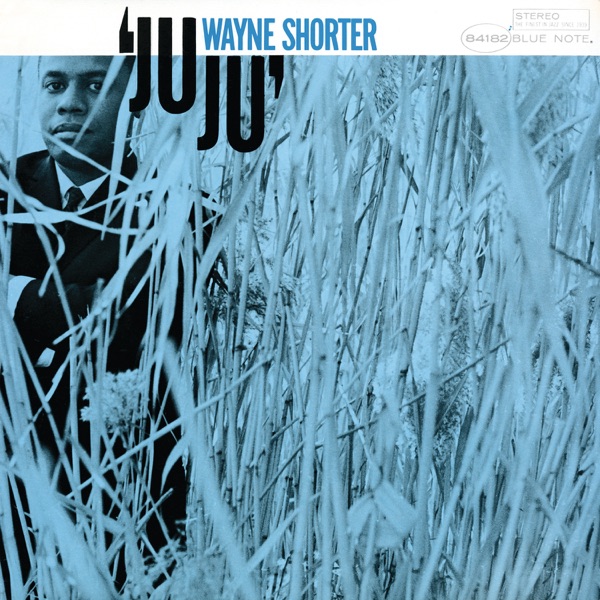


The musicians on this record
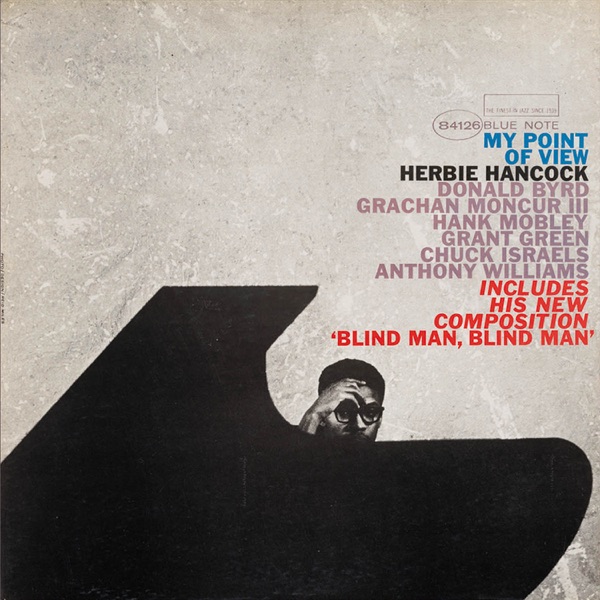
My Point of View 1963
Herbie Hancock
plays piano here
plays piano here

Breaking Point 1964
Freddie Hubbard
plays flugelhorn here
plays flugelhorn here
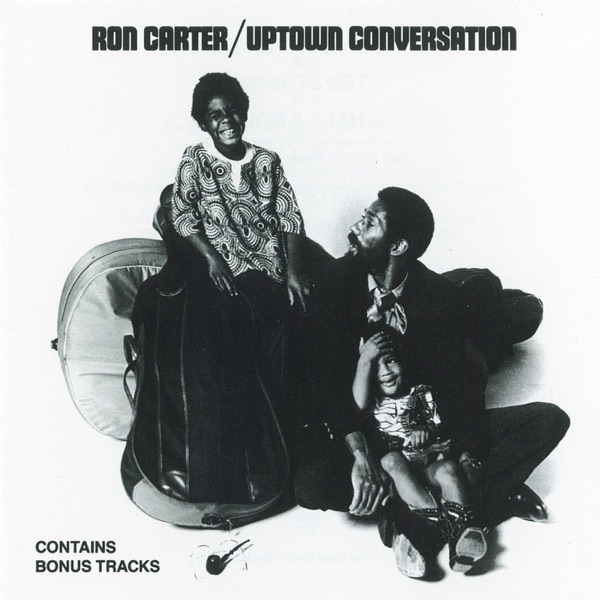
Uptown Conversation 1969
Ron Carter
plays double bass here
plays double bass here
♫
The Almoravid 1974
Joe Chambers
plays drums (drum set) here
plays drums (drum set) here


